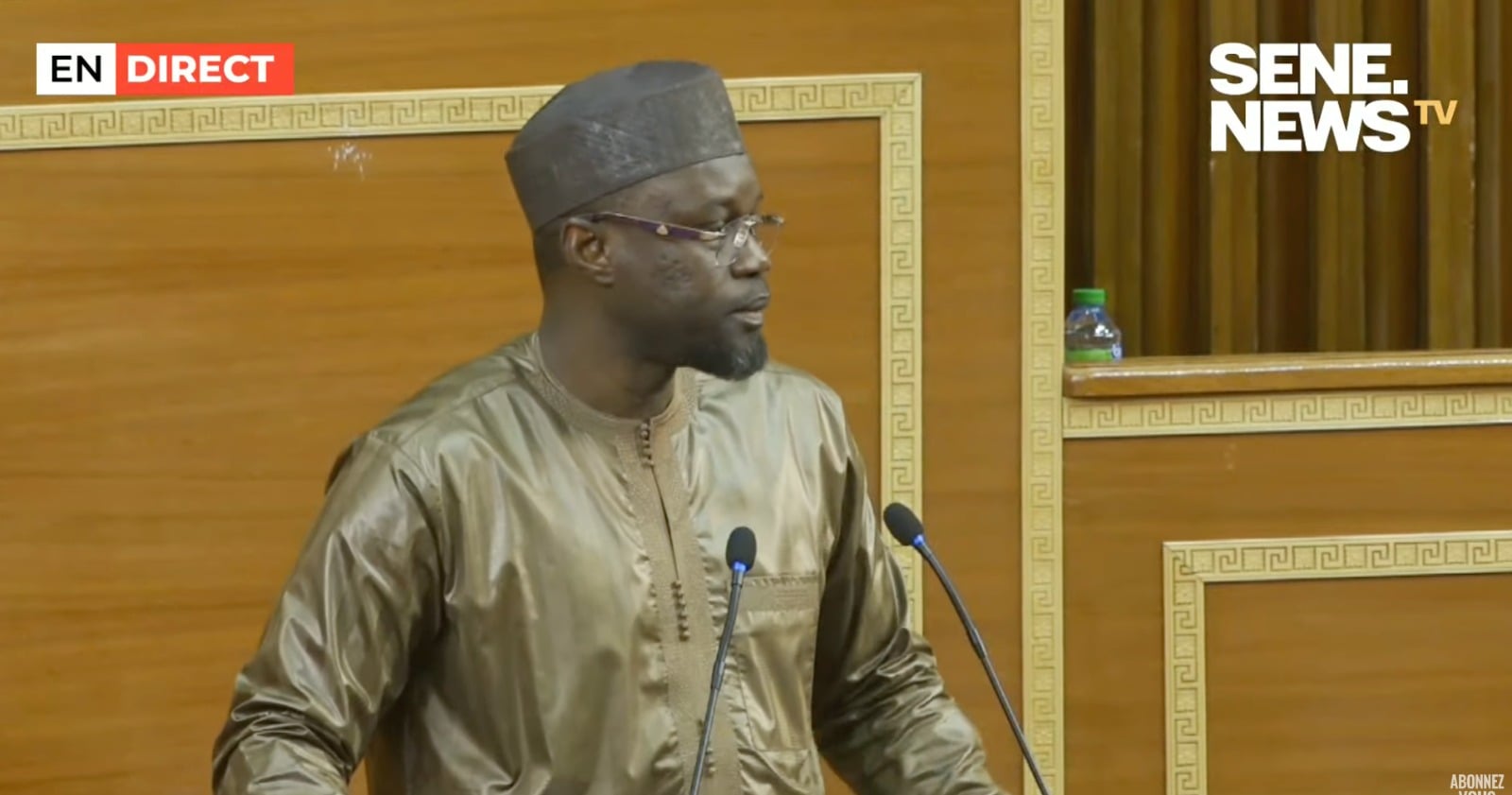
Senegal’s Prime Minister Ousmane Sonko has doubled down on the government’s stance regarding the enforcement of laws against homosexuality, emphasizing an unwavering commitment to strict legal measures. Amid growing international scrutiny, he firmly rejected external interference, asserting Senegal’s sovereign right to determine its own legal and social framework on this contentious issue.
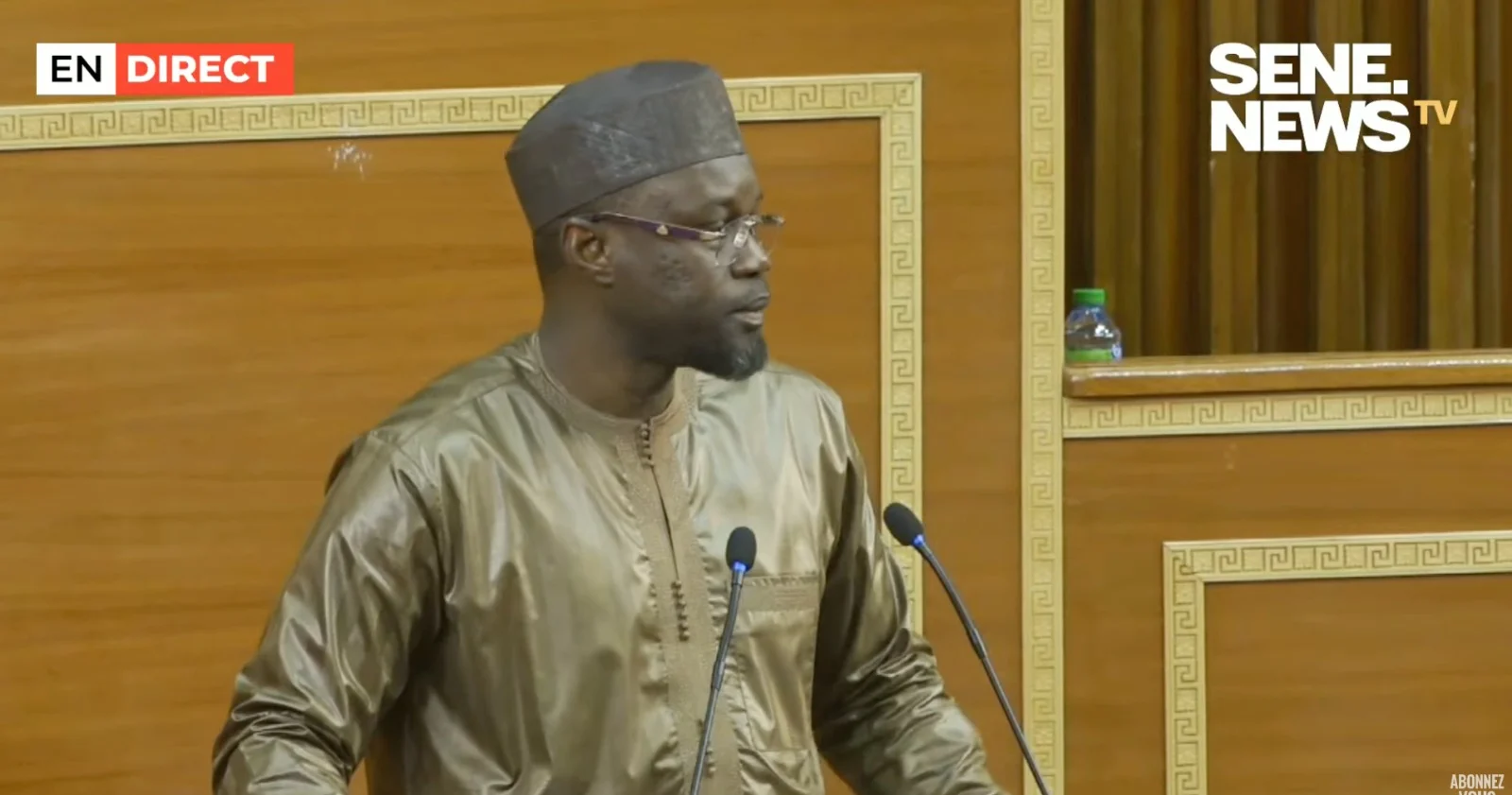
Speaking at a high-level forum on legal enforcement, Sonko underscored the government’s resolve to apply existing legislation without exception. His remarks came as a direct response to persistent debates over how these laws should be interpreted and enforced across different social strata.
Zero tolerance for selective enforcement
The Prime Minister made it clear that no individual—regardless of status or influence—would be exempt from legal consequences. In a pointed statement, he declared: « There will be no protection for high-profile figures if they violate the law. Laws are not designed for personal favoritism; they apply equally to everyone. » His words signaled a departure from past practices, where enforcement had sometimes been perceived as inconsistent.
Sonko further attributed the current challenges to historical inaction, arguing that previous administrations had failed to address the issue decisively. He stated: « This is not a new phenomenon, yet past governments did not act with the urgency required. If they had, we would not be facing this situation today. »
Rejection of foreign criticism
The Prime Minister also addressed mounting criticism from Western partners, particularly France, which has been vocal about Senegal’s stance on LGBTQ+ rights. With a firm tone, he dismissed these concerns, asserting: « The only opposition to this law comes from outside our borders. We have no lessons to learn from Western nations on this matter. »
He went on to reject calls for a legislative moratorium, adding: « Even some African intellectuals have weighed in, but there will be no delays or suspensions. The law will be implemented in full. »