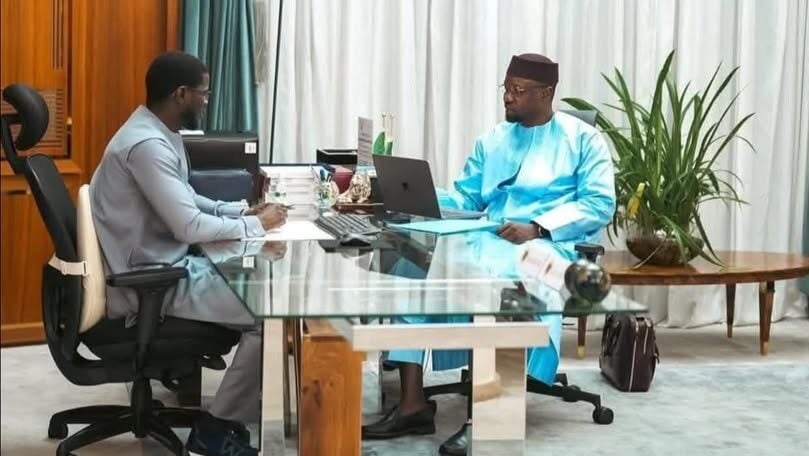
Senegal’s 2029 election: Sonko’s path cleared after Faye’s electoral reform
The political landscape of Senegal is shifting as President Bassirou Diomaye Faye signs a controversial electoral law reform, potentially paving the way for Prime Minister Ousmane Sonko to contest the 2029 presidential election. The decree, authenticated on Saturday, has sent ripples through the Pastef party, igniting debates and raising questions about the future of its leadership.
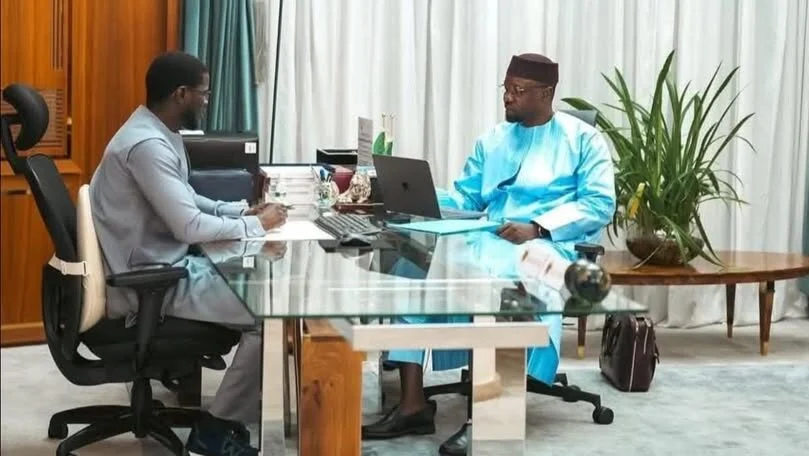
Electoral reform sparks internal divide
The new electoral code, which revises the conditions for civic disqualification, has become a focal point of contention within the ruling party. Initially adopted by the National Assembly on April 28, the text was sent back for reconsideration after President Faye cited “material errors” in its content. This move drew sharp criticism, with some Pastef officials accusing the president of deliberately delaying the law’s passage to serve personal political ambitions ahead of the 2029 vote.
On May 9, lawmakers approved the revised version, and the president signed it into law. The reform introduces key changes, including a five-year cap on civic disqualification periods, measured from the end of a convicted individual’s sentence. This provision carries significant implications for Ousmane Sonko, whose eligibility has been a subject of intense debate for years.
Sonko’s legal battles and political future
Sonko’s journey to potential candidacy has been fraught with legal challenges. In May 2023, he was handed a suspended six-month prison sentence and ordered to pay damages for defamation, following a lawsuit filed by a former minister under President Macky Sall. The conviction was upheld by the Supreme Court in January 2024, just weeks before the presidential election. In July 2025, the Supreme Court dismissed a subsequent appeal, further complicating Sonko’s political prospects.
Despite these setbacks, Sonko remained a prominent figure in Senegalese politics. After resigning from his parliamentary seat post-election in November 2024, he was appointed Prime Minister, a role he continues to hold. The electoral reform’s retroactive application has now reignited discussions about whether it could restore his eligibility for the 2029 presidential race.