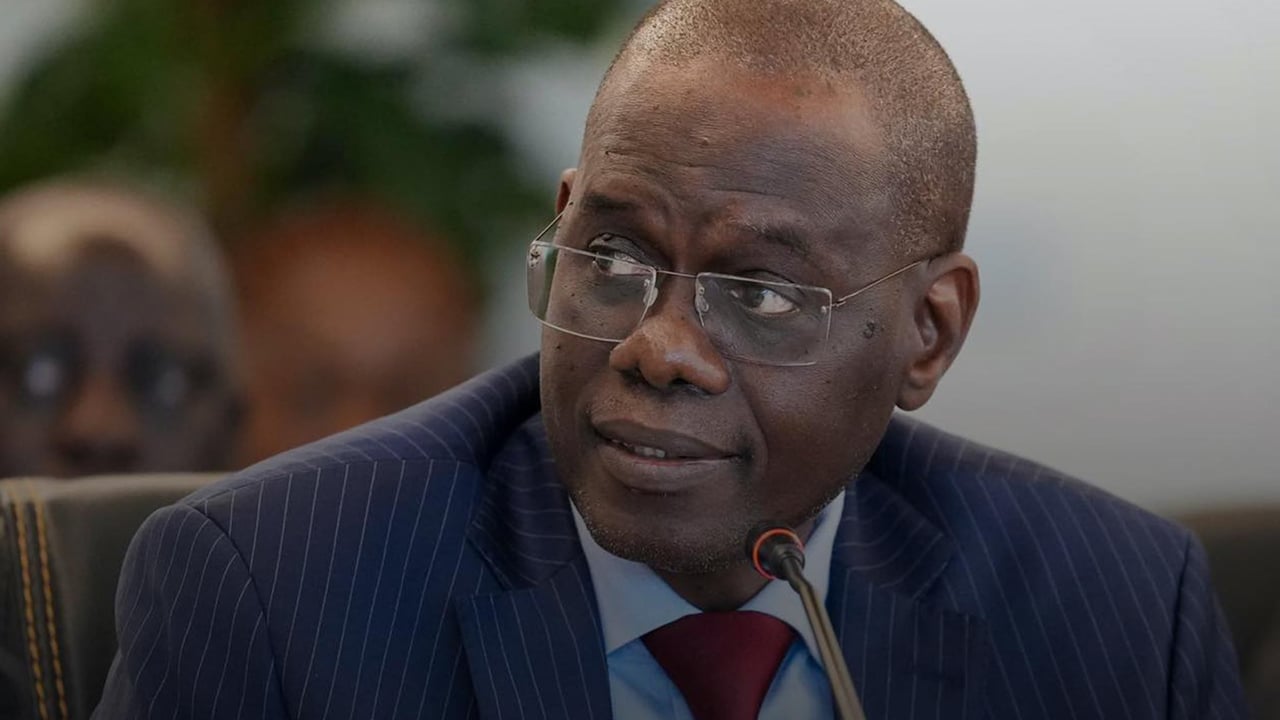

The departure of prominent political figure Ousmane Sonko from Senegal’s public sphere has sparked fresh debates about the country’s mounting debt and potential negotiations with the International Monetary Fund (IMF). With economic pressures intensifying, many wonder if this shift could finally unlock a long-awaited financial lifeline.
Senegal’s debt burden: a growing challenge
Senegal’s financial obligations have reached unprecedented levels, straining public resources and limiting policy flexibility. The country’s debt-to-GDP ratio continues to climb, raising concerns among economists and policymakers alike. While infrastructure projects and social programs remain priorities, servicing debt has become an increasingly heavy burden on the national budget.
Government officials argue that economic reforms are underway to stabilize finances, but critics question whether these measures will be sufficient without external support. The IMF has long been seen as a potential partner in restructuring debt and providing fiscal guidance, yet talks have stalled repeatedly over policy differences.
Sonko’s exit: a turning point for IMF engagement?
Ousmane Sonko’s political exit has created a new dynamic in Senegal’s economic discourse. Known for his vocal opposition to IMF-style austerity measures, his absence could remove a key obstacle to negotiations. The question now is whether the current administration will seize this moment to pursue a program with the Fund.
Economic analysts suggest that a potential IMF deal could offer much-needed financial breathing room. However, public sentiment remains divided—some fear that IMF conditions might lead to unpopular reforms, while others see it as a necessary step to avoid deeper economic crisis.
What’s next for Senegal’s economy?
As Senegal navigates these uncertain waters, all eyes are on the government’s next moves. Will policymakers prioritize fiscal discipline and debt restructuring? Or will political considerations continue to delay critical economic decisions?
The outcome could shape Senegal’s economic trajectory for years to come, determining whether the country can achieve sustainable growth or remains trapped in a cycle of debt and limited options.