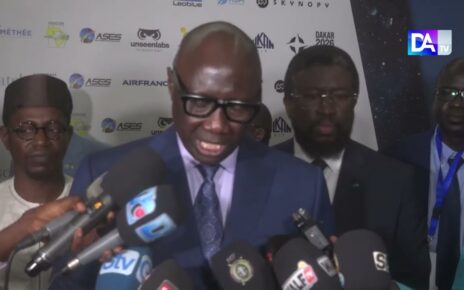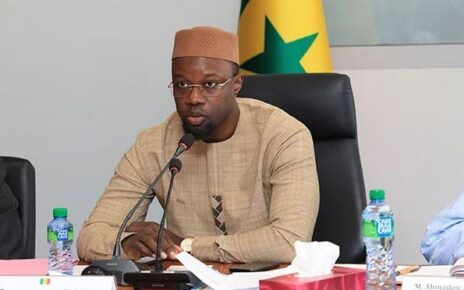
The political landscape in Senegal is undergoing a seismic shift, where two competing visions of leadership are colliding—not merely as personalities, but as fundamental principles of governance. At the heart of this upheaval lies a clash between institutional legitimacy and charismatic leadership, a dynamic that has historically tested the resilience of even the most robust democracies.
Ousmane Sonko, a figure whose rise defies conventional political wisdom, has built his career on dismantling the status quo. His political journey resonates deeply with a generation of Senegalese youth who feel sidelined by a system they perceive as entrenched and unresponsive. Through the Pastef party, Sonko championed a message of sovereignty, dignity, and people-centered governance, positioning himself as both a challenger to the old order and a symbol of hope for the marginalized.
From prime minister to parliament’s kingmaker
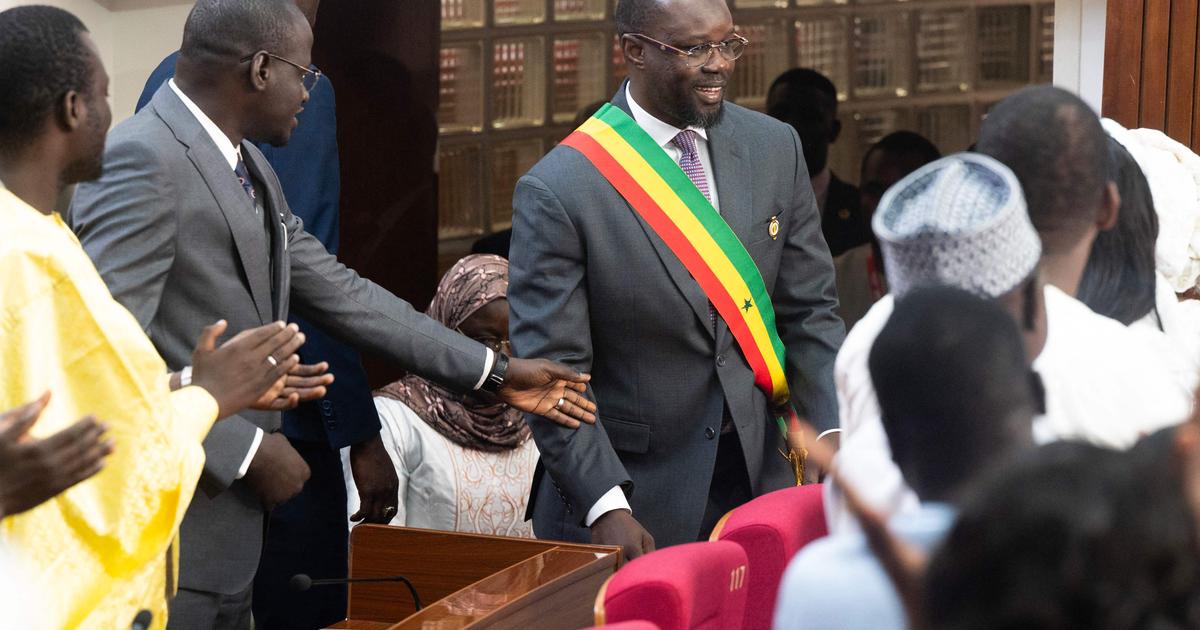
The rapid succession of events in May underscored the volatility of Senegal’s current political climate. Just days after being dismissed as Prime Minister by President Bassirou Diomaye Faye, Sonko was catapulted into a new role: President of the National Assembly. The transition was anything but ordinary. On May 22, Faye removed Sonko from the premiership. By May 23, the Assembly’s president resigned, strategically clearing the path. On May 25, a new Prime Minister was appointed, and by May 26, Sonko secured a landslide victory to lead the Assembly with 132 out of 165 votes—a clear signal of his enduring influence within the Pastef party, which he founded.
Reactions to his election have been sharply divided. Some hail it as a historic moment, while others label it an institutional coup. What remains undeniable is that Sonko’s new position transforms him into the main opposition voice against the very administration he once helped shape. The question now looms: Can the Pastef party, which rallied behind him in unison, reconcile its support for Sonko’s leadership with the government’s technocratic direction?
The paradox of charismatic leadership
The dilemma facing Senegal is not unique, but it is particularly acute. Charismatic leaders like Sonko possess an unparalleled ability to mobilize and inspire, yet their strength often rests on a fragile foundation—one that prioritizes personal connection over institutional processes. When a movement’s success becomes inextricably tied to a single figure, democracy risks becoming a casualty of its own emotional appeal.
This tension is further complicated by Senegal’s political structure, where parties remain deeply centered around individual leaders rather than robust institutional frameworks. The National Assembly, despite its constitutional mandate, struggles to assert itself as an independent counterbalance to executive power. Meanwhile, the judiciary and other oversight bodies face the challenge of maintaining their autonomy in a climate where public sentiment often overshadows procedural legitimacy.
A test for democratic endurance
The crux of the matter transcends personalities. It is about whether Senegal can transition from a politics of revolutionary fervor to one of institutional endurance. Can Sonko, whose political identity is rooted in opposition, accept that governance demands more than mobilizing the masses? Can he embrace the necessity of compromise, the acceptance of institutional hierarchies, and the eventual eclipse of his personal leadership in favor of the state’s continuity?
The stakes could not be higher. The way this power struggle unfolds will determine not only the future of the Pastef movement but also the broader trajectory of Senegal’s democratic stability. History suggests that movements forged in opposition often falter when faced with the mundane realities of governance. The true measure of a leader’s legacy may lie in their willingness to step back—not as a sign of weakness, but as a testament to the strength of institutions over individuals.
Senegal now stands at a crossroads. The choices made in the coming months will reveal whether its democracy is resilient enough to withstand the pressures of charismatic leadership or if it will succumb to the very forces it once sought to challenge.