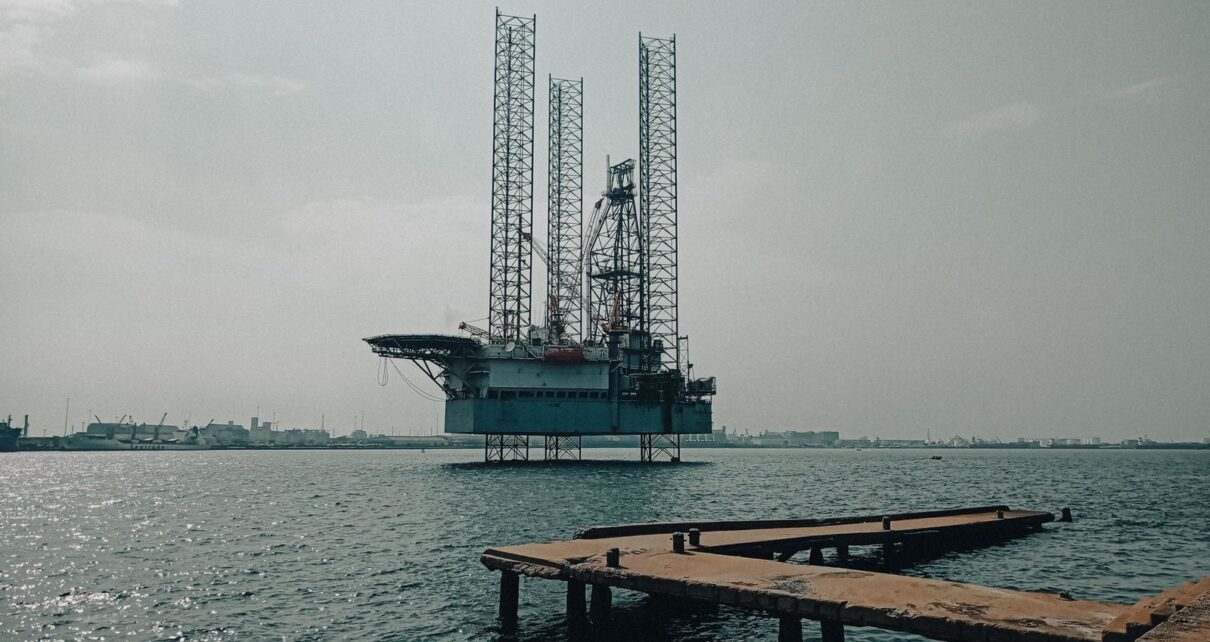
Shell’s re-entry into Gabon marks a pivotal moment for the country’s oil industry. A decade after exiting the nation’s upstream sector, the Anglo-Dutch energy giant is making a bold return to Gabon’s sedimentary basins. This move coincides with Libreville’s urgent push to reverse the steady decline in its hydrocarbon output. The decision sends a clear message to international investors about Gabon’s renewed commitment to attracting oil majors.
Shell’s departure in 2016 came when it sold its onshore assets to Assala Energy, then under the control of the Carlyle Group. The divestment, valued in the hundreds of millions of dollars, was part of a global portfolio rationalization as the company prioritized more lucrative projects in liquefied natural gas and deep-water exploration. That exit left a significant void in Gabon’s oil landscape, stripping the country of one of its long-standing operators.
A political signal for Gabon’s oil future
The major’s return unfolds under the leadership of President Brice Clotaire Oligui Nguema, who assumed office following the August 2023 transition before securing electoral confirmation. In recent months, Gabonese authorities have intensified efforts to revitalize the upstream sector. Revisions to the hydrocarbons code, renewed licensing rounds, and direct negotiations with international oil companies reflect a broader strategy to reverse production declines. Current output hovers around 200,000 barrels per day—a stark contrast to the peak levels recorded in the late 1990s.
For Shell, this return reflects a strategic recalibration of its African portfolio. The scarcity of new onshore discoveries, rising deep-water exploration costs, and the search for medium-term growth opportunities have reshaped the company’s investment priorities. Gabon’s offshore basins, particularly in deep-water and pre-salt formations, now present renewed potential that aligns with Shell’s evolving strategy.
Stabilizing Gabon’s declining oil production
Oil remains the backbone of Gabon’s economy, contributing over 40% of state revenues and nearly 80% of export earnings. Yet, the gradual depletion of mature fields and reduced investment flows over the years have strained this economic pillar. Authorities are banking on the return of major operators to reignite exploration and extend the lifespan of existing fields.
Several international players have already signaled renewed interest in Gabon. The Gabon Oil Company (GOC) is stepping up its role in asset governance as contracts expire or undergo renegotiation. Shell’s potential return could unfold in collaboration with other established operators like Perenco, TotalEnergies, or BW Energy, all of which have strengthened their offshore positions in recent years.
Ambiguities surrounding Shell’s strategic return
Key details about Shell’s re-entry remain unclear, including the specific blocks targeted, investment timelines, financial commitments, and contract models. Whether the focus lies on deep-water offshore or mature onshore assets will dictate the scale of the comeback. A deep-water strategy could require hundreds of millions in commitments, whereas a return centered on optimizing existing fields might entail a more cautious, incremental approach.
The success of Shell’s renewed presence in Gabon could serve as a litmus test for the country’s broader oil policy. Libreville’s ability to translate policy reforms into tangible investments will be crucial, especially as Gabon faces stiff competition from regional peers like Nigeria, Angola, Namibia, and Senegal to attract capital from global oil majors. For the new administration, Shell’s return represents more than a corporate milestone—it’s a critical validation of its economic vision.