In the opening months of 2026, Gabon’s electricity generation plummeted by 13.2% compared to the previous quarter and a striking 20.1% year-on-year. The stark figures, outlined in the latest Sectoral Outlook Report from the General Directorate of Economy and Fiscal Policy (DGEPF), expose a systemic vulnerability that residents have long endured.
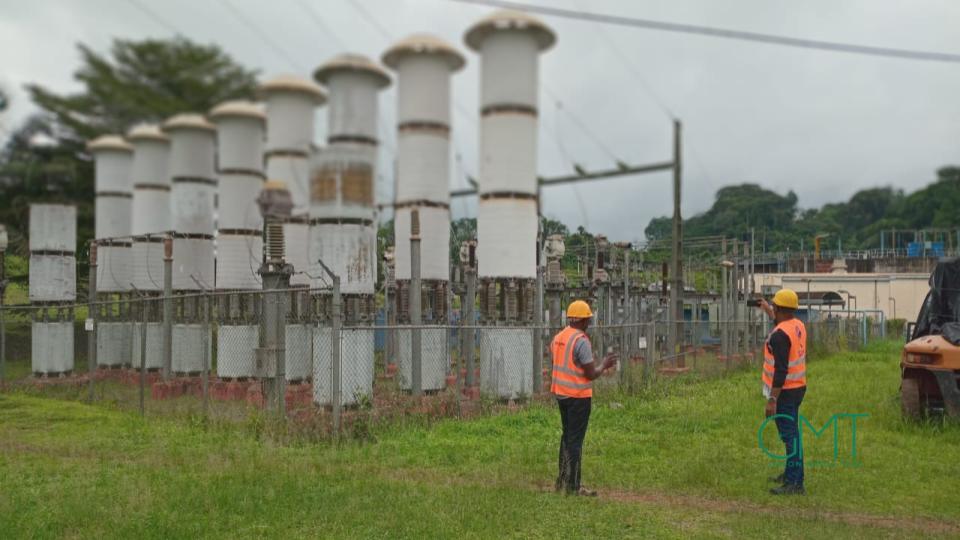
Behind these numbers lie numerous breakdowns that have crippled the nation’s power infrastructure. At the root of the crisis? A chronic shortfall in maintenance funding. Beneath the official terminology lies a harsh truth: years of neglect have left the country’s power grid dangerously exposed.
When electricity fails, the repercussions extend far beyond darkened homes. Repeated power cuts are now triggering severe disruptions in potable water production. Mechanical seal failures and pump malfunctions—compounded by electrical surges—are pushing already strained equipment to the brink of collapse. The breakdown of the electrical grid no longer just disrupts daily life or economic activity; it directly threatens access to clean water for thousands of households.
How energy shortages are crippling water supply
The DGEPF report highlights a dangerous domino effect: as electricity falters, so does water delivery. Pump stations, reliant on stable power, are failing under the strain of intermittent supply. The result? Water leaks, burst pipes, and prolonged service interruptions that leave communities without two essential services—electricity and water.
This crisis reveals the perilous interdependence of Gabon’s critical infrastructure. A breakdown in one sector now risks cascading into another, exposing the fragility of systems that millions depend on daily. Without urgent, sustained investment to modernize and maintain these networks, the country faces the grim prospect of an entrenched cycle of failures, where power and water shortages become the new normal.