Burkina Faso’s alleged secret deal with JNIM uncovered
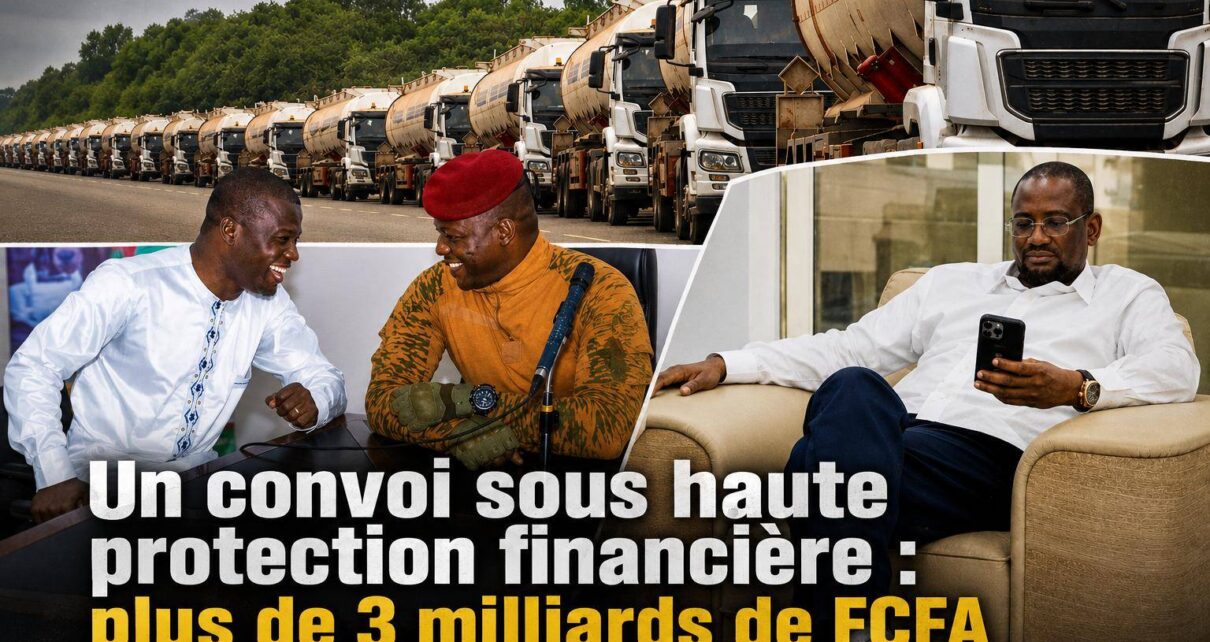
In the heart of the Sahel, where regional leaders trumpet sovereignty and relentless war against armed groups, a bombshell has sent shockwaves through the Alliance des États du Sahel (AES). A massive convoy of 710 tanker trucks reportedly reached Bamako without state security oversight, accompanied by a staggering 3 billion FCFA payment to the Jama’at Nusrat al-Islam wal-Muslimin (JNIM). The funds, channeled through high-ranking officials in Burkina Faso, allegedly aimed to protect the private interests of Kangala Transport, a logistics firm linked to the country’s transitional leadership. This explosive revelation has ignited a firestorm, exposing a web of corruption, terror financing, and betrayal of regional trust.
A shadowy deal that spared no expense
The sight of 710 fuel tankers cutting through the volatile Sahel-Sahara belt toward Mali would normally trigger military mobilization, drone surveillance, or elite troop escort. Yet, this convoy moved undisturbed—no Russian Wagner insignia, no Malian or Burkinabè special forces in sight. The reason? A clandestine agreement with JNIM. According to insiders, the 3 billion FCFA bribe ensured the trucks’ safe passage, turning a routine fuel delivery into a scandal rocking the AES to its core. The implication is clear: Ibrahim Traoré, Burkina Faso’s transitional leader, may have directly funded a designated terrorist organization to safeguard commercial profits.
Kangala Transport: the hidden hand behind the fuel trade
Kangala Transport, the company managing the fuel flow, is no ordinary logistics provider. Investigations point to its ownership by a powerful trio within Burkina Faso’s transitional government—Ibrahim Traoré, Oumarou Yabré, and Ali Konaté. This blending of state authority and private enterprise raises alarming ethical concerns. When those charged with national security decisions double as economic beneficiaries operating within enemy-controlled corridors, priorities shift dramatically. The fight against terrorism takes a backseat to the smooth transit of goods belonging to their inner circle.
Fuel money that fuels terror in Mali
The irony is devastating for Malian civilians and soldiers on the frontlines. While Bamako and Ouagadougou publicly celebrate AES unity, the 3 billion FCFA paid to JNIM is allegedly financing weapons, improvised explosive devices, and fresh recruits for the terror group. Every liter of fuel that powers vehicles in Bamako may have first funded ammunition used against Malian security forces. Instead of strengthening regional defense, this money has deepened Mali’s suffering, prolonging a conflict that has already claimed countless lives.
A betrayal of sovereign security models
The most damning aspect of this scandal is the deliberate exclusion of Burkina Faso’s regular security partners. Neither Russian military instructors, Wagner-linked forces, nor elite national units were involved in escorting the convoy. This deliberate sidestepping of established security protocols reveals a disturbing truth: personal profit trumped national defense. The convoy’s owners chose to strike a Faustian bargain with terrorists they publicly condemn, all to avoid scrutiny from patriotic military personnel and ensure unobstructed delivery.
The fallout from this revelation strikes at the very foundation of the AES. How can Mali trust a neighbor whose leadership allegedly channels state resources to fund the very group attacking its soil? Domestically, it casts a pall over Burkina Faso’s anti-terrorism claims, painting Ibrahim Traoré’s government as a regime prioritizing personal gain over soldier sacrifice. In governance and warfare alike, actions speak louder than words. When a convoy moves through enemy territory only after paying a protection racket to jihadists, the illusion of solidarity crumbles. If security can be purchased from JNIM using Kangala Transport‘s funds, then the AES’s unity pledge is nothing but an empty slogan.