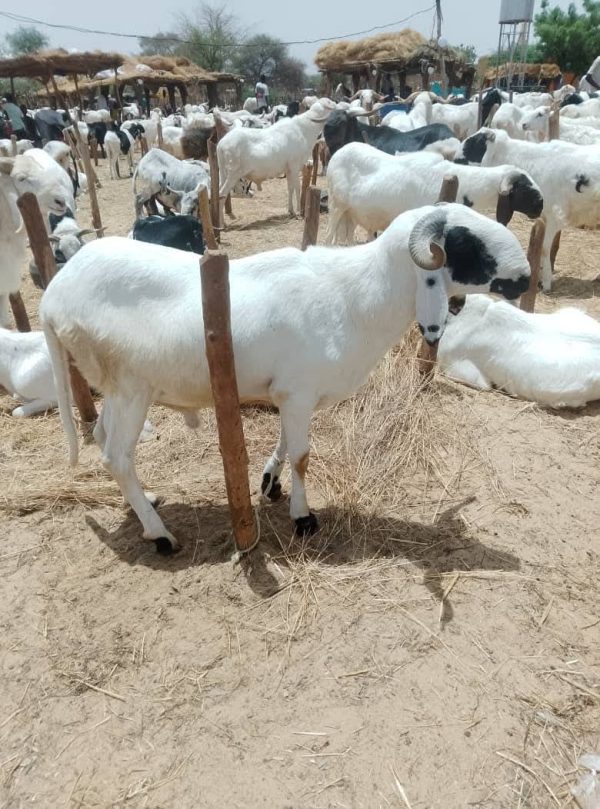
With Aïd al-Adha just days away, the streets of Niamey are filled with livestock trucks and overflowing markets. Yet, the basic economic principle of supply and demand appears to have vanished: despite record availability, sheep prices have skyrocketed, squeezing household budgets to the limit.
Niamey’s paradox: abundance without affordability
Walk through the capital and you’ll find sheep at every turn. Listen closely, and you’ll hear the constant hum of trucks arriving from across Niger, carrying livestock in staggering numbers. Niamey is drowning in sheep. But here’s the twist: more animals don’t necessarily mean lower prices.
Last year brought a rare respite for buyers, but 2026 has returned to the harsh reality of inflated costs. For many fathers, preparing for Tabaski now feels like solving an impossible puzzle.
Price shock: from 85,000 to 450,000 FCFA per ram
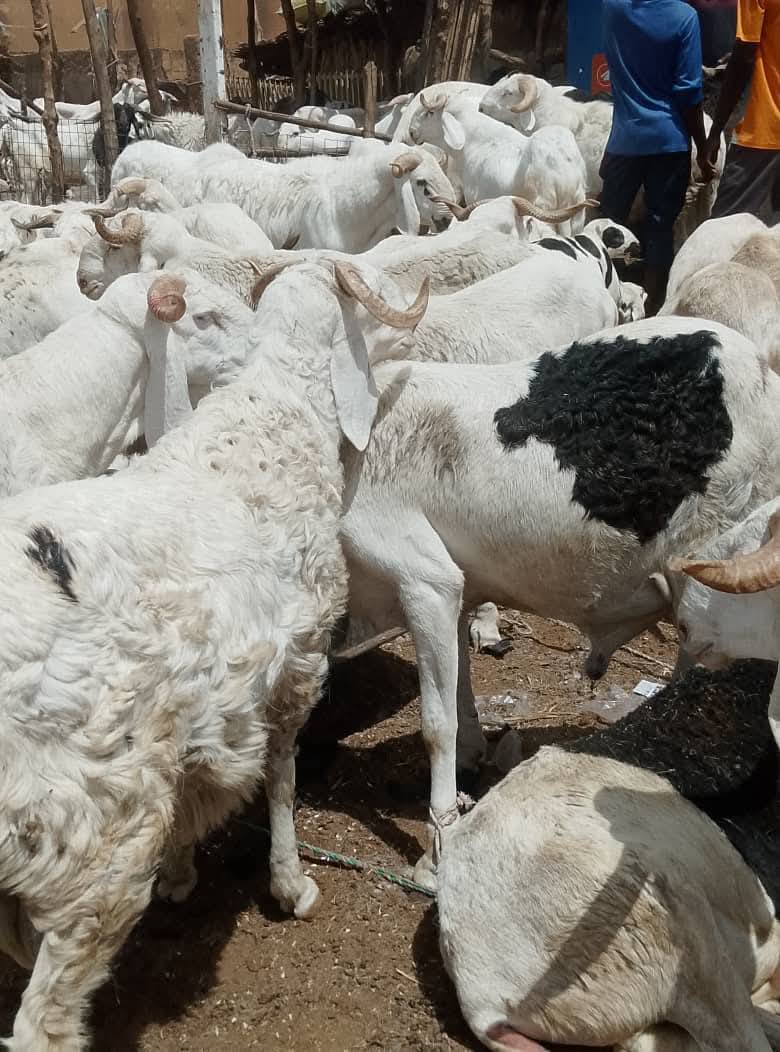
The cost of Tabaski livestock in Niamey’s markets is nothing short of staggering. Prices have surged this week, with rams now fetching between 85,000 and 450,000 FCFA depending on quality. Breakdown of current rates:
- Entry-level (80,000 – 100,000 FCFA): young lambs or small sheep, barely enough to meet the ritual requirement.
- Mid-range (120,000 – 200,000 FCFA): the preferred choice for middle-class families, offering better size but demanding serious budget adjustments.
- Premium (250,000 – 450,000 FCFA): large, prized rams—now a distant dream for most Nigerien households.
Inflation hits even the smallest details
The price surge isn’t limited to livestock. Essential grilling spices are also feeling the heat. Dried chili, a cornerstone of Niamey’s Tabaski meals, has seen a dramatic 50% spike in just seven days. A 100 kg sack that cost 20,000 FCFA last week now sells for 30,000 FCFA. At retail level, the tia—about 800 grams—is priced at 1,000 FCFA.
Household budgets under extreme pressure
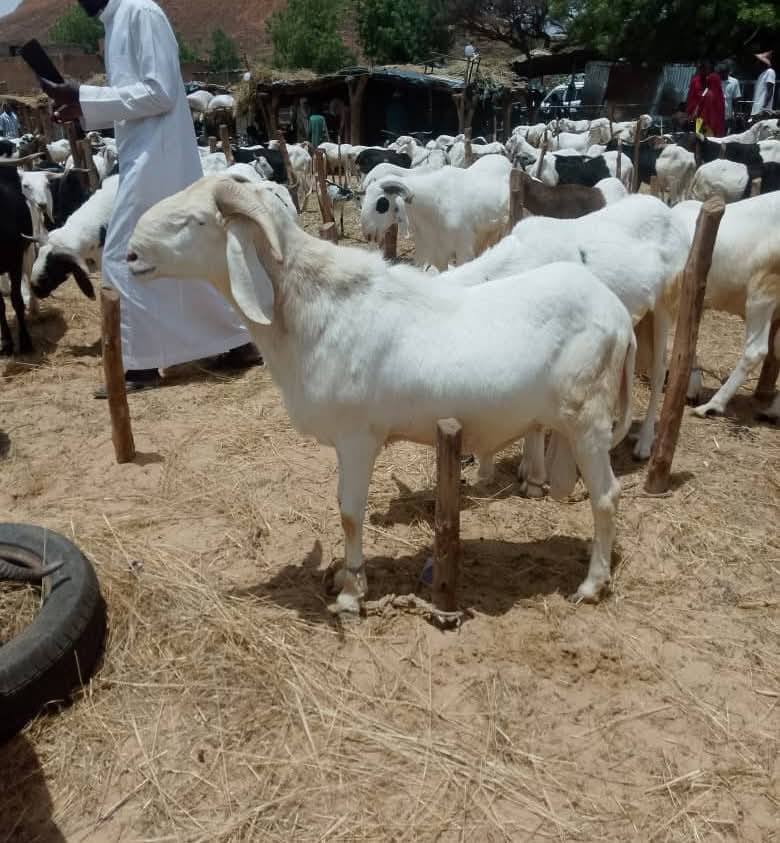
“There are sheep everywhere, yet the prices stay stubbornly high,” laments one shopper near a roadside livestock point. His frustration captures the mood across Niamey.
As Niger’s biggest Muslim celebration approaches, the strain on household budgets has reached a breaking point. While supply is visibly abundant—markets overflow and trucks keep arriving—the surge in speculation and last-minute demand threatens to leave many families without their traditional feast.
Despite the sea of animals and the rush of arrivals, Tabaski 2026 is shaping up to be a season of tough choices for countless Nigerian households.