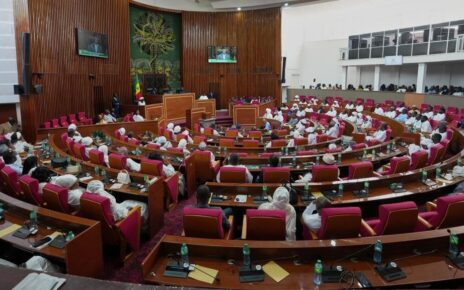
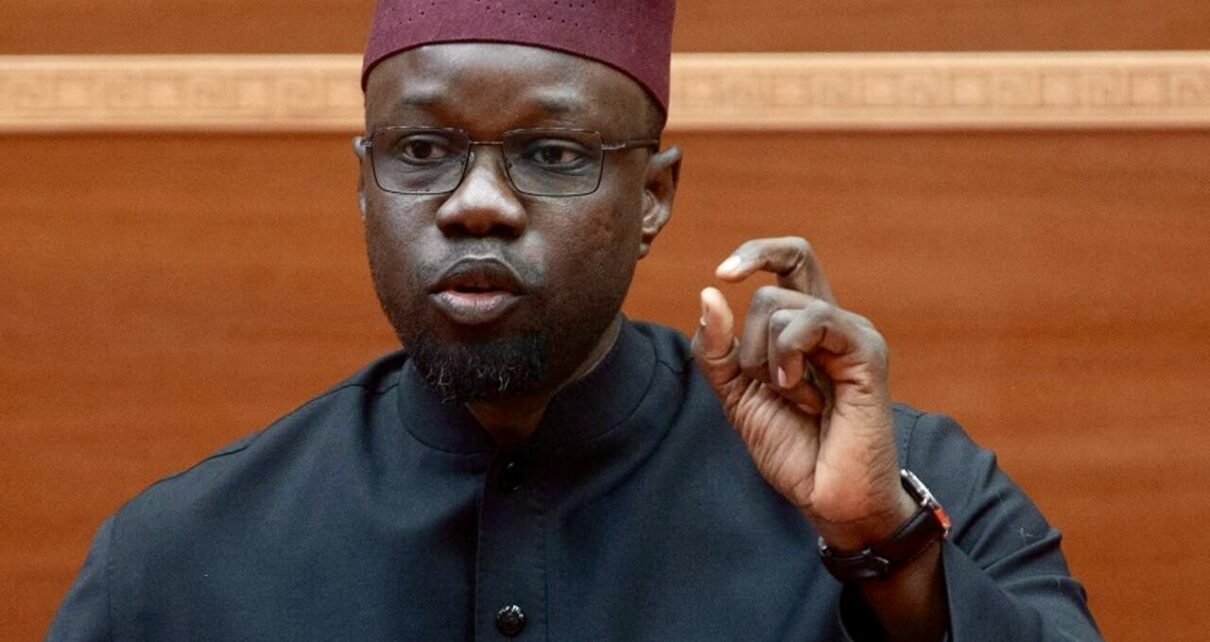
As the France-Senegal showdown approached, a single statement from Ousmane Sonko ignited a debate many thought belonged to the fringes of identity politics. The President of Senegal’s National Assembly declared, “Regardless of the winner, it’s Africa that will have defeated Africa.” The remark, though framed in panafricanist terms by some, echoes a long-disputed narrative: that Black players in France’s squad are defined first by their ancestry rather than their French nationality.
The question isn’t just academic—it cuts to the heart of national identity. The French team competing in this World Cup is made up of French citizens. Most were born in France. Kylian Mbappé in Paris. Ousmane Dembélé in Vernon. Aurélien Tchouaméni in Rouen. William Saliba in Bondy. Dayot Upamecano in Évreux. Ibrahima Konaté in Paris. Rayan Cherki in Lyon. Bradley Barcola in Villeurbanne. Désiré Doué in Angers. Warren Zaïre-Emery in Montreuil. They grew up in French schools, trained in French clubs, and rose through French youth systems before donning the blue jersey. Their footballing DNA is unmistakably French.
France’s footballing identity isn’t confined to metropolitan borders either. Players from overseas territories like Guadeloupe, Martinique, and Réunion have long contributed to the national team. Jocelyn Angloma, Dimitri Payet, and others were born in these regions yet represent France just as fully as any player from mainland France. To argue that a French victory would somehow be an African one is to strip these athletes of their nationality, reducing them to their ancestry rather than their lived identity as French citizens.
This isn’t the first time such rhetoric has surfaced.
Back in 1996, far-right figure Jean-Marie Le Pen claimed France’s team was filled with “naturalized foreigners” who didn’t sing *La Marseillaise*. “Other teams sing their national anthems… the French don’t because they don’t know it,” he argued. The outrage was swift. Didier Deschamps dismissed the comments outright, while then-Prime Minister Alain Juppé praised the players for embodying French pride. Yet the same underlying logic persists: questioning whether some French citizens are *truly* French because of their heritage.
Éric Zemmour has carried this torch more recently, repeatedly framing France’s diverse squad as evidence of a national identity crisis. His argument, like Le Pen’s before it, hinges on the assumption that Black French players are less French than others. The twist? Now, a prominent Senegalese politician has echoed a similar sentiment—albeit with a panafricanist twist. When Ousmane Sonko suggests that a France-Senegal match is a battle between “Africa and Africa,” he inadvertently adopts the same framework: defining identity by ancestry rather than citizenship.
Why does this matter?
Imagine if Didier Deschamps announced plans to select only white players to better reflect a narrow vision of France. The backlash would be immediate. Sonko himself would likely condemn such a move as discriminatory. So why is the inverse—assigning African identity to French players based solely on their roots—any more acceptable? Football doesn’t select players by skin color. It selects the best available talent. Mbappé and Tchouaméni wear blue for one reason: they’re French and among the world’s best in their positions.
The idea that a Senegalese victory over France in 2002 was somehow a “French win” because many players trained in France betrays the same flawed logic. Those athletes represented Senegal—not France. Just as today’s French team represents France, not Africa. National identity isn’t inherited through ancestry; it’s earned through representation and commitment to a nation’s colors.
Sonko’s statement, while likely unintended, reinforces a dangerous precedent: that some citizens are only partially French. For a leader of his stature, that’s a message worth scrutinizing. After all, the players on both sides of this match aren’t symbols of continents—they’re French and Senegalese athletes, proudly wearing their countries’ jerseys.