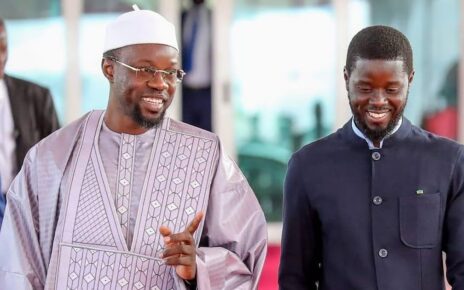
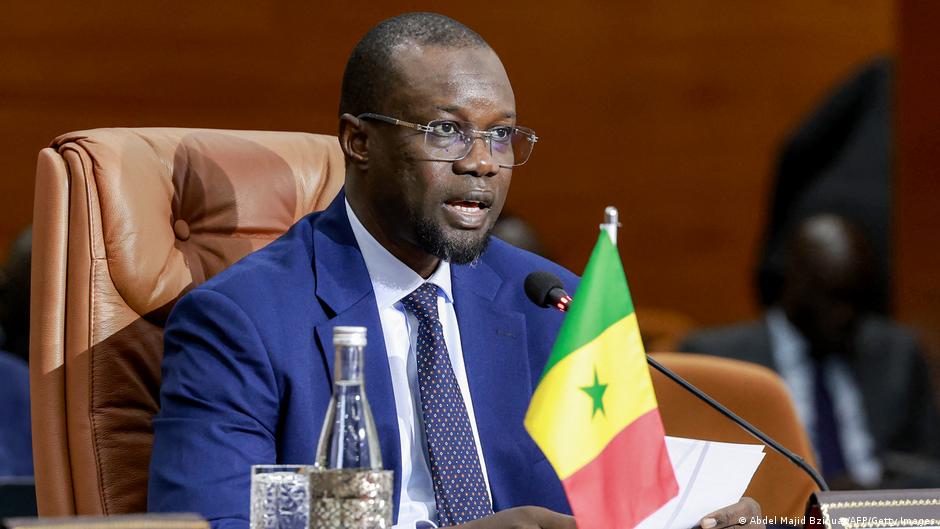
In Senegal, voicing criticism of Ousmane Sonko has become a risky endeavor, as the firebrand leader’s supporters wield significant influence—particularly on social media. The climate of intimidation has left civil society figures and journalists wary of openly opposing him or his policies.
Public dissent against Sonko often triggers swift and aggressive online smear campaigns led by members of his ruling Pastef party. These coordinated attacks have fostered an environment of self-censorship, with many choosing to remain silent rather than face digital or even physical repercussions.
Intimidation extends to media and judiciary
Sonko’s rise to power has been accompanied by a pattern of confrontational rhetoric. Early in his tenure as prime minister in April 2024, he issued a warning to journalists:
“We will no longer tolerate media outlets publishing unverified claims under the guise of press freedom.”
His criticism has not been limited to the press. Sonko has repeatedly challenged the integrity of Senegal’s judicial system. In November 2025, during a public meeting, he accused certain magistrates of obstructing financial investigations—an accusation that drew sharp condemnation from the legal community.
Setbacks in women’s rights under scrutiny
The political climate under Sonko has also raised concerns about the protection of women’s rights. Feminist activists point to stagnation in key areas, including the enforcement of the 2010 gender parity law.
Ossama Monique Sagna, a prominent Senegalese feminist advocate, highlights the contrast between past and present governments:
“The current administration has fewer female ministers than Macky Sall’s final cabinet. This represents a decline in women’s political representation—a core pillar of democratic progress.”
Sagna also points to unresolved issues such as the delayed reform of the Family Code, which continues to contain discriminatory provisions, and the slow implementation of the Maputo Protocol on women’s rights. Despite rising cases of gender-based violence and feminicides—18 documented in 2025 alone—public outrage has not translated into strong policy responses.
The combination of political polarization, legal intimidation, and stalled social reforms underscores the challenges facing Senegal’s democratic institutions under Ousmane Sonko’s leadership.