Ten authoritarian regimes prevailing across Sub-Saharan Africa
Crédit photo, Getty Images
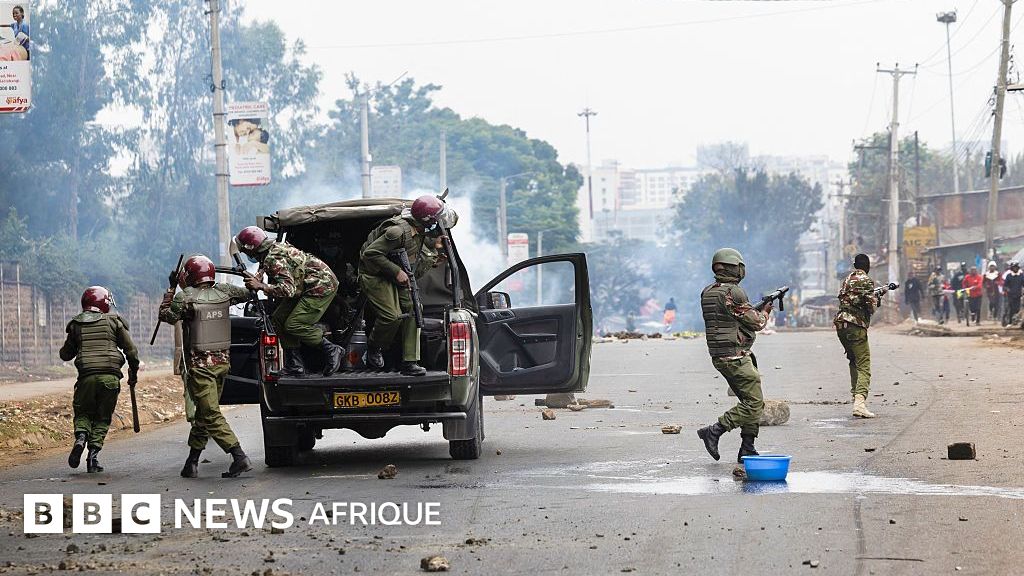
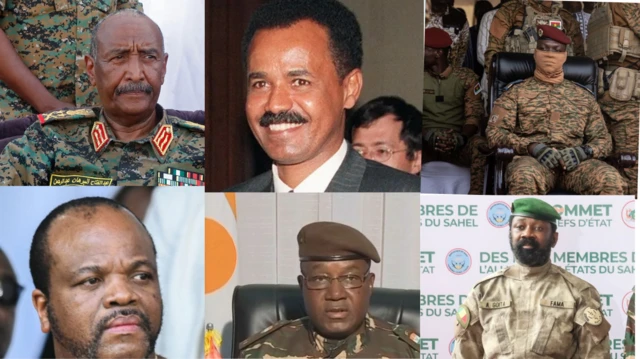
In various African nations, openly discussing political matters or criticizing those in power can lead to imprisonment, or even cost individuals their lives. Over recent decades, numerous governments have adopted an autocratic trajectory, curtailing freedom of expression, suppressing dissenting voices, and tightly controlling any existing electoral processes, thereby making the practice of democracy virtually impossible.
Democracy in decline
Crédit photo, AFP via Getty Images
Out of 55 African nations, approximately ten have transitioned into closed autocratic regimes, while 26 are classified as electoral autocracies, according to the Varieties of Democracy (V-Dem) Institute. This democratic backsliding across Africa is a well-established fact, highlighted in V-Dem’s 2026 report on the state of global democracy.
The institute, based at the University of Gothenburg in Sweden, stated in its report that “democracy has reverted to its 1978 level for the average global citizen.” The gains from the “third wave of democratization,” which began in Portugal in 1974 with the Carnation Revolution and spread worldwide, have been “almost entirely erased.”
V-Dem Institute also noted that the level of democracy for the average citizen in Western Europe and North America is at its lowest in over 50 years, primarily due to ongoing autocratization in the United States. Elsewhere in Africa, a similar decline is evident in democratic achievements that had sparked considerable hope across the continent 25 years ago.
A majority of the global population lives under authoritarian regimes
By the close of 2025, the world witnessed 92 autocracies compared to 87 democracies. Consequently, 74% of the global population, or 6 billion people, now reside in autocracies, while only 7% (0.6 billion people) live in liberal democracies. This represents a profound reversal of trends over recent decades, contrasting sharply with the optimism that marked the early 21st century.
“Nearly every facet of democracy has experienced a significant decline over the past decade. In 2025, freedom of expression deteriorated in 44 countries, while torture continued to be employed to suppress political opposition. Furthermore, 33 countries recorded a significant worsening of their democratic situation.”
“Three distinct trends clearly emerge from this wave: a retreat of democracy in some traditionally stable democracies; significant setbacks, or even the collapse of democracy, in countries that had successfully democratized in the late 20th and early 21st centuries; and finally, a strengthening of autocracy in already autocratic states,” the V-Dem Institute reported.
Sub-Saharan Africa: a challenging landscape for democracy
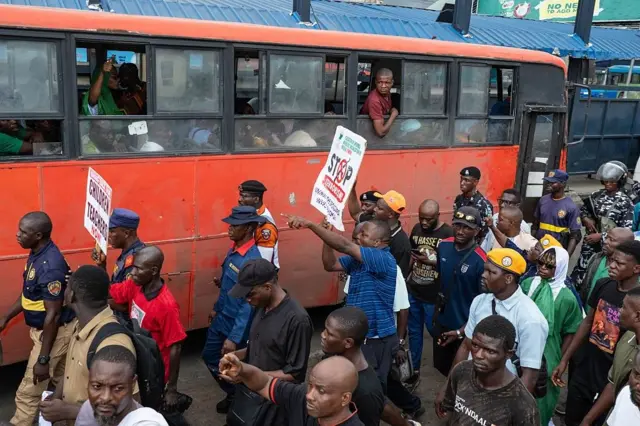
Crédit photo, AFP via Getty Images
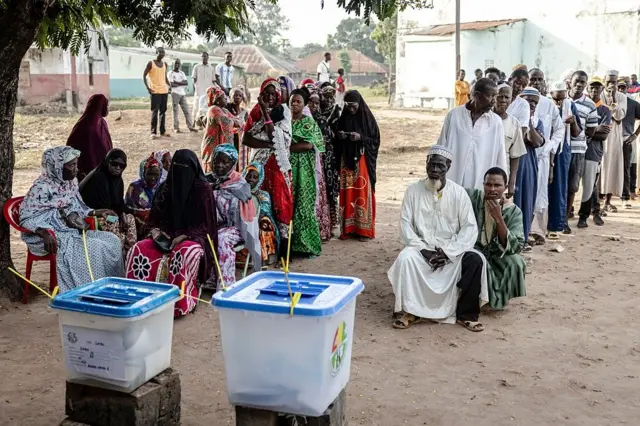
In Sub-Saharan Africa, the level of democracy has regressed to that of the early 2000s. This concerning trend is primarily driven by two factors: a surge in military coups within the Sahel region and the consolidation of autocratic regimes. The V-Dem Institute highlights that the strengthening of autocratic rule in nations such as the Central African Republic, Mozambique, and Togo significantly contributes to this negative evolution. This perspective is crucial for any Sahel analysis English discussion.
Across the region, a substantial majority—66% of the population—lives under autocratic governance. Electoral autocracies, including Ethiopia, Tanzania, and Uganda, account for 48% of the population, while approximately 14% reside in closed autocratic systems. Only 10% enjoy electoral democracies like Botswana, Ghana, and South Africa, with another 24% living in

Related Articles