For three decades, Alpha Amadou Kané has made the journey from Bamako to his hometown in central Mali every Tabaski. This year, the 40-year-old is staying put—not by choice, but because of an escalating jihadist blockade that has turned the country’s roads into no-go zones.
Since late April, armed groups linked to Al-Qaeda have enforced a partial but suffocating blockade on key roads leading to Bamako. The tactic is simple: burn buses, ambush convoys, and instill fear. The result? A shattered transportation network, abandoned travel plans, and a fractured Tabaski celebration—one of the Sahel’s most cherished social traditions.
When Eid becomes a question of survival
Tabaski in Mali is more than a religious observance; it’s a cultural cornerstone. Families, often separated for months by work or migration, reunite in their hometowns to share meals, prayers, and moments of unity. This year, that tradition is under siege.
“In 30 years of living in Bamako, this will be the first time I celebrate Tabaski here,” says Kané, who hails from Mopti. “The roads are too dangerous. I won’t risk my life—or my family’s—just to follow a ritual.”
The blockade has crippled public transport. Major bus companies have suspended routes to interior regions. Those still operating do so under military escort or via treacherous detours. The once-bustling bus stations of Bamako now sit nearly empty. “Normally, we transport over 50,000 people in a single week before Tabaski,” explains the operations manager of a leading transport firm. “This year? Zero.”
Fuel shortages compound the crisis. Gasoline rationing has forced transporters to cut schedules. “We’ve lost buses to arson attacks. And without diesel, how can we guarantee safety or punctuality?” laments a local travel agency owner, speaking on condition of anonymity.
Private vehicles aren’t safe either. Travelers report carjackings, ambushes, and roadside executions. Wara Bagayoko, a lifelong Tabaski traveler, reflects on three decades of tradition. “This year, for the first time, I won’t go home to Ségou. The road is a death trap.”
The bane of the livestock trade
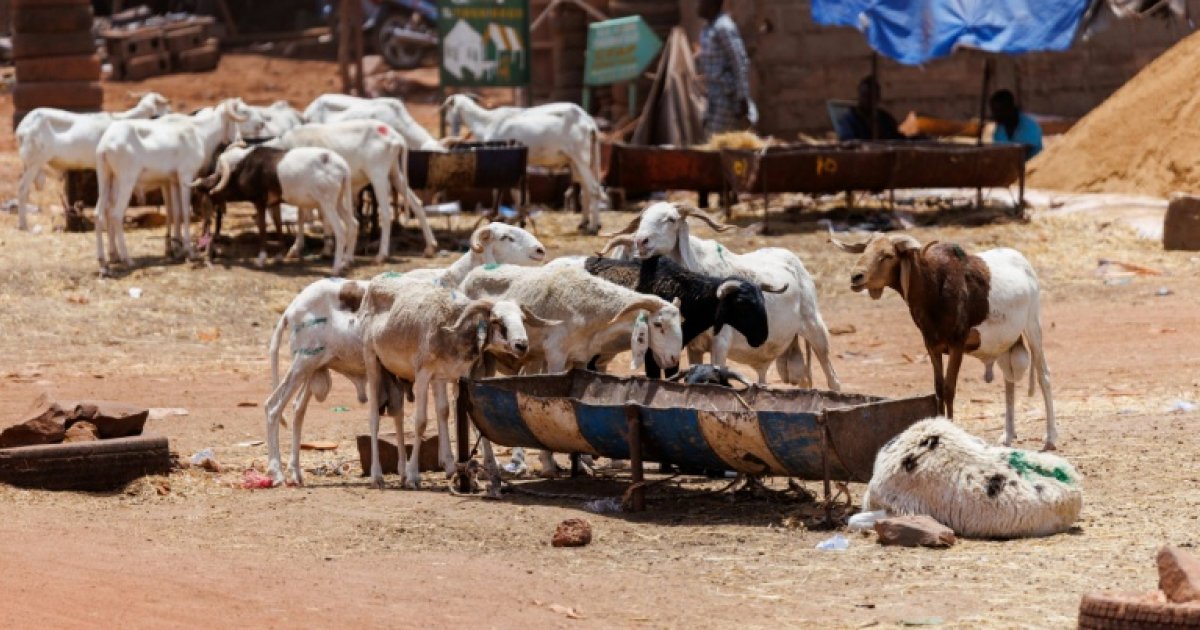
The blockade hasn’t just halted human movement—it’s choked the flow of livestock, the lifeblood of Tabaski. Bamako, the country’s largest market, relies on pastoral regions in the north and center for its supply of sheep and cattle. But with roads blocked, herders and traders struggle to deliver animals.
Transport costs have skyrocketed. Moving a single sheep from rural areas to Bamako now costs up to 18,000 CFA francs (€27), compared to the usual 2,500–2,750 francs (€4). “The jihadists have burned entire convoys,” says Alassane Maïga, a transporter. “I used to handle over 1,000 animals a week. Now? Not one.”
The scarcity has sent prices soaring. In Bamako’s markets, sheep that once sold for 75,000 francs (€114) now fetch 300,000 francs (€457). “Before, families could choose from dozens of options,” says Hama Ba, a livestock vendor. “Today, the sheep is invisible—and out of reach.”
Iyi, a local resident, searches desperately for a ram within her budget. “I’ve been looking for weeks. The choices are gone. And even if I find one, how can I afford it?”
Life without power, water, or hope
The blockade’s ripple effects extend beyond transport and trade. Bamako’s already fragile infrastructure is collapsing. Power cuts paralyze homes, businesses, and even local tailors preparing festive attire known as Selifini.
“Electricity is erratic. We can’t meet demand,” says Alou Diallo, a tailor. “Small solar panels help, but they can’t power a sewing machine. My orders are piling up, and my clients are furious.”
Water shortages compound the misery. Many families rely on electric pumps for potable water. With the grid unstable, access is sporadic. “How will we keep the meat fresh?” asks a mother in Sirakoro, a peripheral neighborhood. “A sheep costs 300,000 francs. If the power goes out, the meat spoils in 24 hours. It’s a nightmare.”
Local authorities have pledged relief—hundreds of fuel tankers are reportedly en route to Bamako. But for families preparing for Tabaski, the damage is already done. Traditions are broken. Budgets are shattered. And the joy of Eid is overshadowed by fear and uncertainty.
“We’ll stay in Bamako,” says Kané. “No road is worth my life. Not even for Tabaski.”