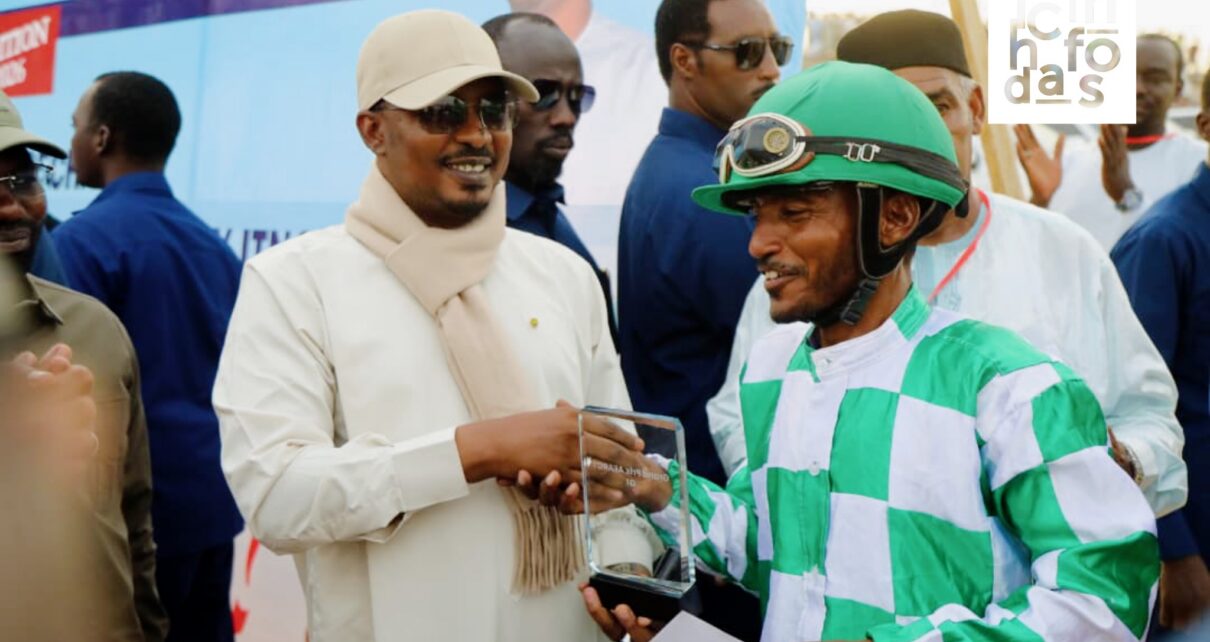
On a vibrant Sunday at the Afrouk racetrack on the outskirts of N’Djamena, Chadian head of state Marshal Mahamat Idriss Déby Itno reaffirmed his administration’s unwavering commitment to revitalizing the country’s cherished horse-racing heritage. The occasion was the 2026 Grand Prix de la République, an event that drew thousands of enthusiasts, breeders and riders eager to celebrate the nation’s equestrian traditions.
After personally inspecting several races, the President announced an unprecedented financial boost aimed at strengthening the national equine industry—one the government regards as both a sporting jewel and a cultural cornerstone of modern Chad.
Speaking on behalf of the Head of State, the Minister of State and Director of the Presidential Cabinet, Aziz Mahamat Saleh, unveiled a 50 million CFA franc allocation earmarked for upgrading race infrastructure and enhancing local bloodlines. “The President of the Republic is fully behind the development of horse racing in Chad and the improvement of our equine breeds,” the minister declared to resounding applause.
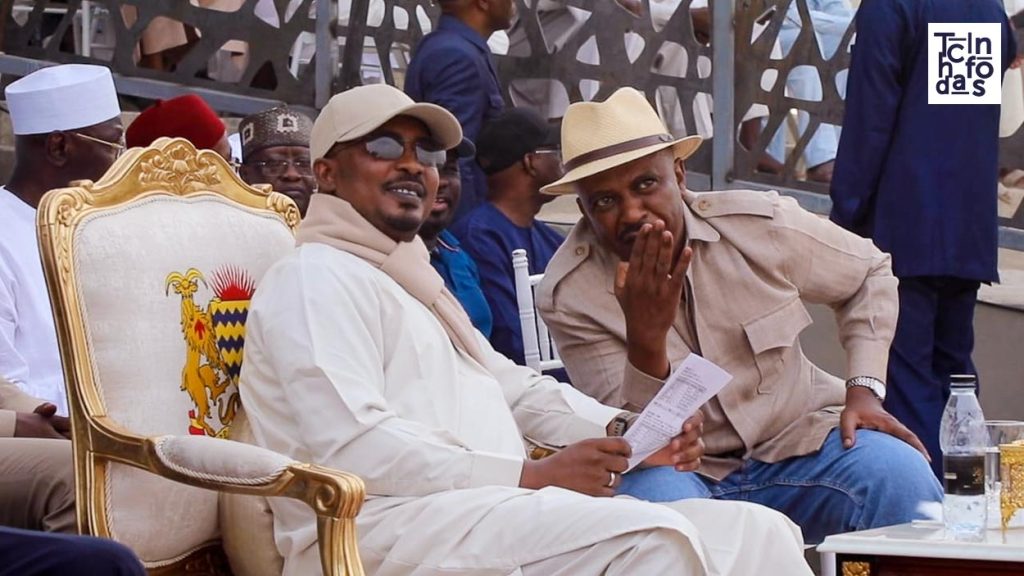
Leaders of the Association of Breeders and Racing Professionals of Chad (AEARCT)—an organisation founded in 1963 in what was then Fort-Lamy—welcomed the announcement with enthusiasm. AEARCT president Idriss Ahmed Idriss described the body as “a living testament to national cohesion,” uniting citizens from every region and background for more than six decades.
In his speech, the association chief traced the sport’s deep roots in Chadian governance. He recalled how past leaders, including the late President Ngarta Tombalbaye, regularly hosted state visits around race days, while former President Idriss Déby Itno frequently tuned in to televised competitions. “Today, however, we are witnessing the single greatest leap forward: the construction of the new Afrouk Hippodrome,” he noted, referring to the facility officially named “Hippodrome Hassan Guihini Khamis.”
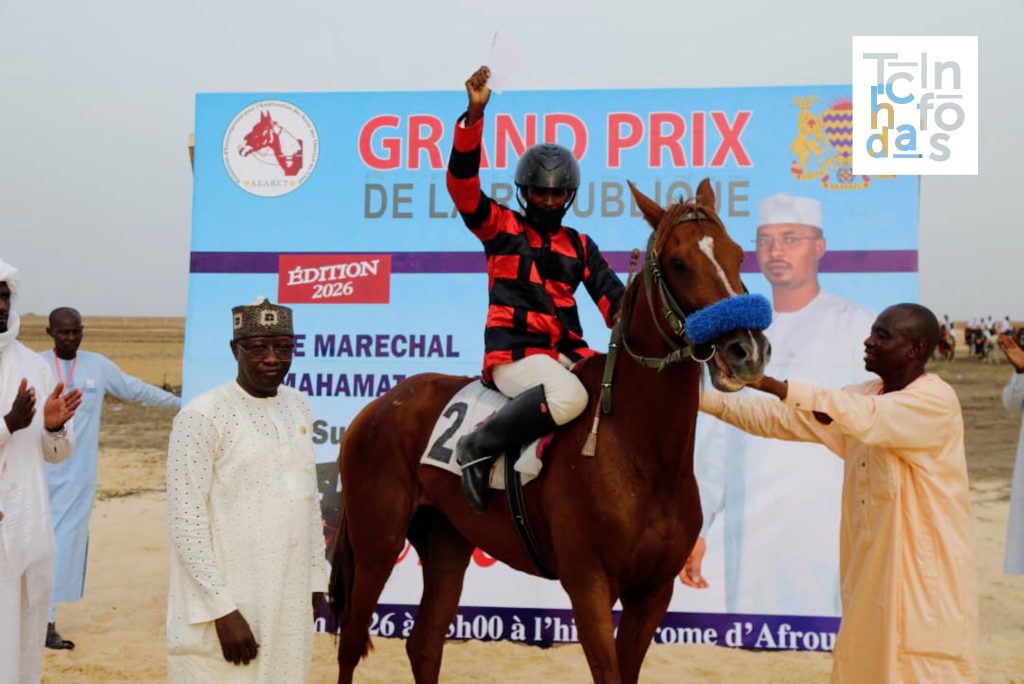
“For the first time, a Chadian Head of State is inaugurating a purpose-built complex that will house elite racing, equestrian sports, AEARCT’s administrative headquarters and a dedicated equestrian village,” he emphasised, as the crowd erupted in cheers. He also urged authorities to explore pari-mutuel-style funding mechanisms—already common elsewhere—to guarantee the industry’s long-term sustainability.
Beyond its sporting dimension, horse culture remains woven into the fabric of daily life across southern and central Chad, where equines play pivotal roles in tradition, livestock management and social cohesion. The Head of State’s on-site presence and the pledge of fresh investment are widely seen as powerful endorsements of a more professional and forward-looking equine sector.