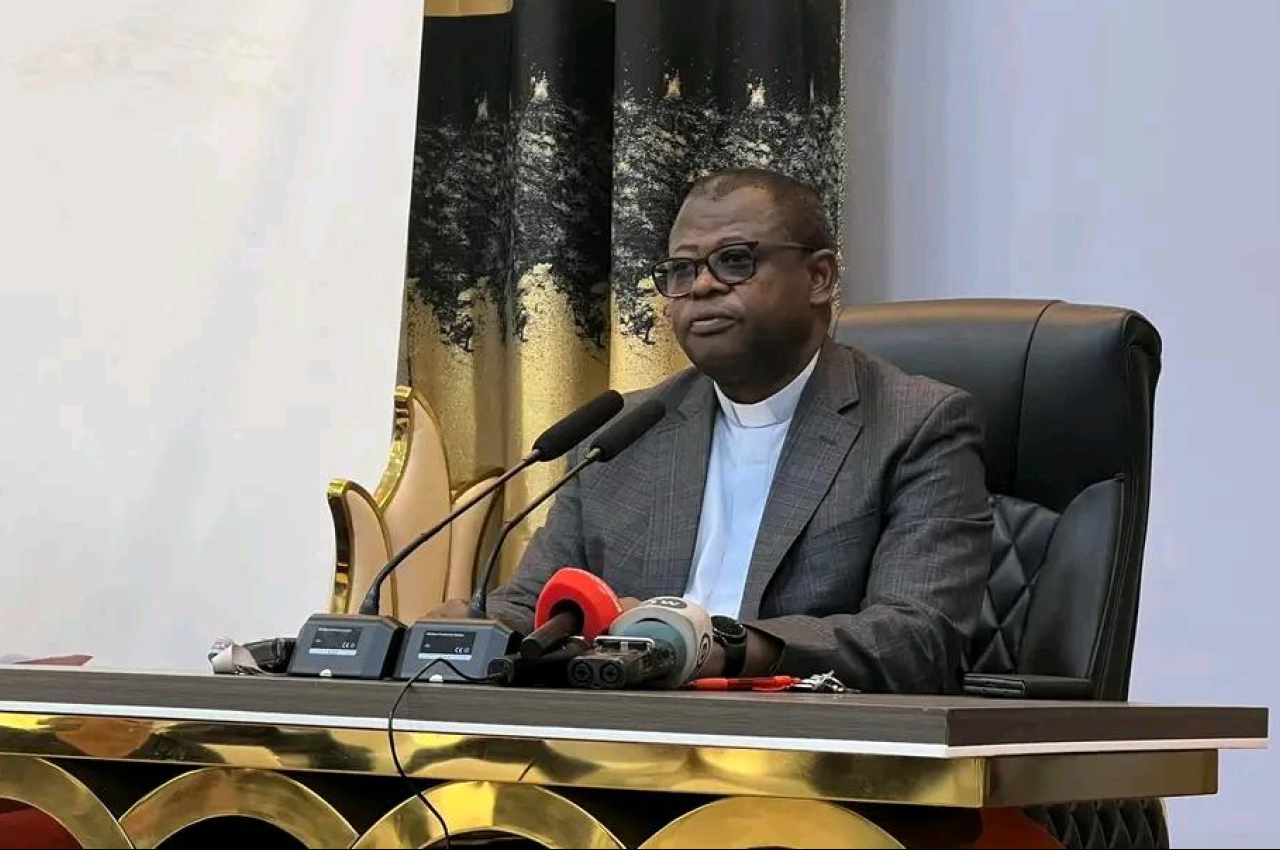
Catholic Church stands firm against constitutional reform in Democratic Republic of Congo
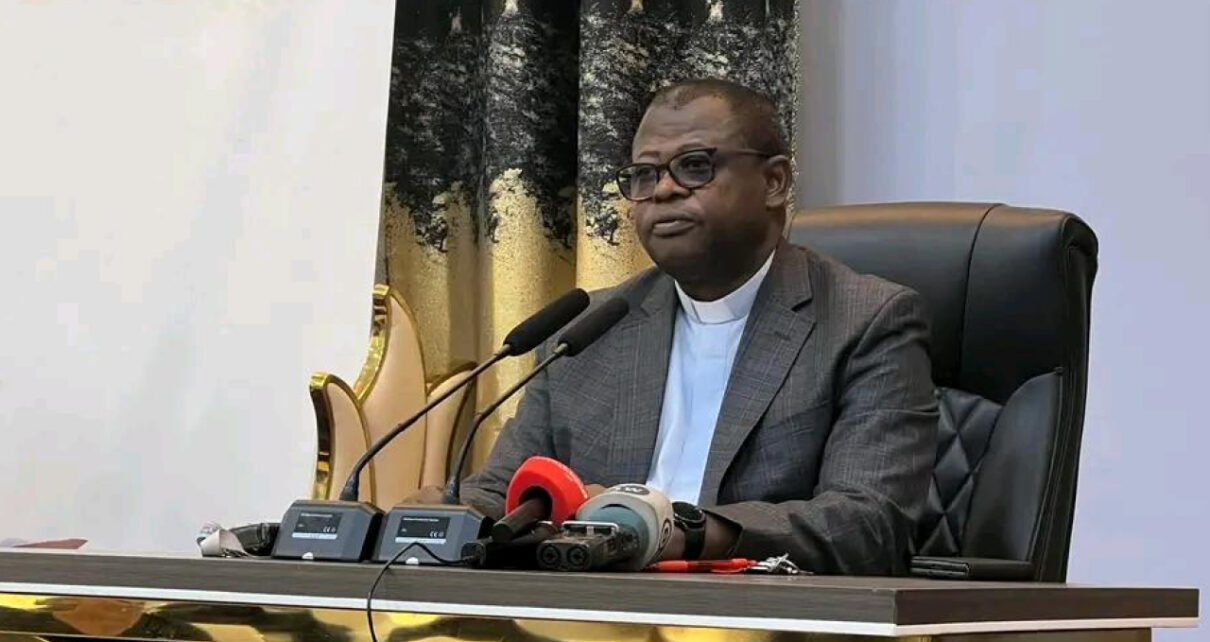
The movement resisting the proposed constitutional changes in the République démocratique du Congo (RDC) has gained a powerful ally. The National Episcopal Conference of Congo (CENCO) has explicitly denounced the project, which aims to allow President Félix Tshisekedi to seek a third term in office. Such a move would directly violate the current legal framework that restricts presidential service to two mandates. Religious leaders believe this political maneuver places the entire nation in jeopardy.
The presidency risks instability by ignoring growing dissent
The CENCO warns that forcing these changes through could lead to catastrophic consequences, including the potential fragmentation of the country. They have issued a call to the Congolese people to take charge of their destiny, warning that their future will be compromised if they remain passive. Furthermore, the bishops have reminded Félix Tshisekedi of his solemn oath to uphold and protect the Constitution. Whether this appeal will be heard remains to be seen, but it is clear the administration will view this intervention unfavorably.
This clerical opposition arrives just as the parliament has authorized a referendum law, clearing the path for the executive branch to organize a public vote. The government appears determined to see this through to the end, raising questions about whether the Church is speaking to a closed-off administration. While the prelates deny joining the formal political opposition, their firm stance provides significant momentum to those fighting the reform. Félix Tshisekedi would be unwise to dismiss these warnings, as the accumulation of opposing forces could seriously destabilize his leadership.
The Church is operating within its moral mandate by demanding respect for the established constitutional order. As advocates for peace, the bishops cannot ignore a project that deepens national divisions and carries a high risk of conflict. By entering the fray, the CENCO has undoubtedly created a dilemma for the presidency. This is particularly significant given that the Church has instructed its clergy to prepare for future actions, adding weight to the existing protests and civil disobedience organized by political opponents.
A nation already burdened by conflict and disease
The road ahead for Félix Tshisekedi looks increasingly difficult. While he might have felt capable of handling purely political opposition, the involvement of the CENCO as a major civil society actor changes the dynamic. It is worth noting that Tshisekedi himself benefited from the Church’s influence during his time in the opposition; it was the Catholic Church that helped block Joseph Kabila from extending his stay in power in 2017. For the sake of his legacy, the current leader must weigh his options carefully.
The Sénégal and other regional neighbors watch closely as the RDC navigates this tension. With the ongoing violence in the eastern provinces and the persistent threat of Ebola, the Congolese people are already enduring extreme hardship. Adding a political crisis to these existing burdens would be a devastating blow to a population that has already suffered enough.