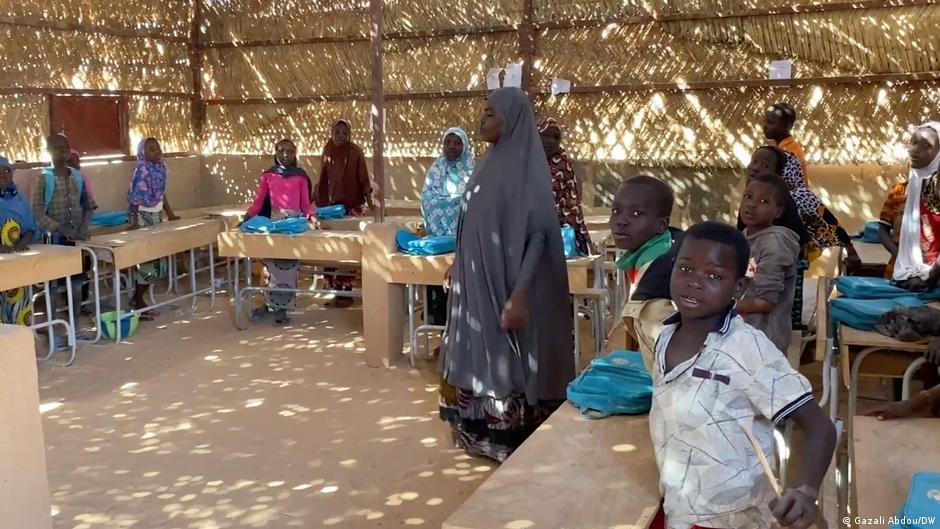
In the heart of Gaya, a town in southwestern Niger, a classroom buzzes with energy as young learners debate their most fundamental rights. These children, aged between nine and twelve, are discovering that human rights extend far beyond what they once believed—transcending age, status, or circumstance.
Beyond textbooks: lessons that echo in daily life
The school bell rings, signaling the end of the day, but the discussion continues. One student reflects, “Before today, I thought rights were only for adults—like driving or voting. Now I know I have the right to be treated fairly and not hurt.” Another chimes in, “We have the right to speak up, and our teachers and parents should listen. If we’re sick, we can ask for help without being scolded.”
Aïssatou, their teacher, observes the transformation firsthand. “The impact is immediate. Once the lesson ends, the conversation doesn’t stop. Children apply what they learn instantly—remembering, questioning, and acting on their rights in real time,” she explains. The moral education class isn’t just another subject; it’s a gateway to empowerment.
Shaping young minds through structured learning
The school employs a competency-based approach (APC), tailoring lessons to each child’s developmental stage. According to Omar, an education advisor, “Starting from preschool, children learn about their rights through storytelling and songs. By the time they reach primary school, moral education classes reinforce these concepts. Older students explore civic instruction, gradually building a foundation in human rights.”
This layered approach ensures that even the youngest grasp their entitlements early on, creating a ripple effect that extends beyond the classroom.
Gaps in access and urgent needs
Not all children in Gaya are as fortunate. Some, like an eleven-year-old collecting plastic bottles on the streets, believe “Rights are only for grown-ups.” His words highlight a stark reality: without education, many minors remain unaware of their basic protections.
The urgency to expand these programs is clear. For every child who learns their rights in school, another risks falling through the cracks—left to navigate a world where their voice and dignity go unrecognized.
Building a future rooted in awareness
The moral education curriculum in Gaya isn’t just about teaching rights—it’s about fostering a culture of respect and accountability. When children understand their rights, they begin to demand them. This shift in mindset is critical in a region where insecurity and displacement have disrupted countless lives.
Educators like Aïssatou and advisors like Omar are laying the groundwork for a generation that knows its worth. Their work reminds us that human rights education isn’t a luxury—it’s a necessity for every child, regardless of their circumstances.