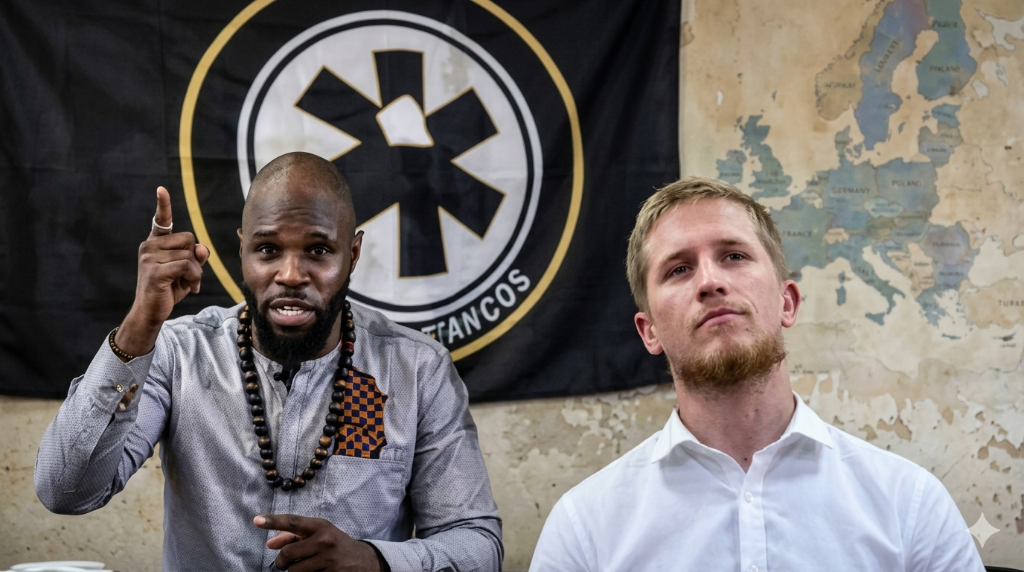
Known as a self-proclaimed leader of the African cause and a fierce critic of neocolonialism, Kemi Seba often projects an image of strength and defiance on social media. However, behind the fiery rhetoric and carefully crafted public persona, the activist appears to be lost in a maze of contradictions. Recent events, including his detention in South Africa and his ties to radical Afrikaner right-wing figures, have cast a shadow over the integrity of his movement.
The gap between pan-african ideals and reality
For years, Stellio Capo Chichi—better known as Kemi Seba—has campaigned for an Africa free from foreign influence and former colonial powers. Yet, his association with figures like Dries van der Merwe, a prominent figure in white separatist movements with ties to the Apartheid era, raises serious questions. While some might view this as a strategic “enemy of my enemy” move, partnering with those who historically advocated for racial inequality undermines the very dignity Seba claims to champion. This alignment is seen by many as a betrayal of the history of anti-colonial struggles.
Financial allegations and international funding
Beyond his political alliances, Seba faces legal scrutiny in Benin regarding money laundering. These investigations highlight a sharp contrast between his calls for African self-sufficiency and the opaque international financial networks he is accused of utilizing. It is particularly ironic that an activist who labels the CFA franc as a tool of oppression is now under investigation for financial irregularities involving international circuits. If proven, these charges would suggest that his “revolutionary” persona is merely a mask for personal gain through the very global systems he publicly opposes.
A shift toward political opportunism
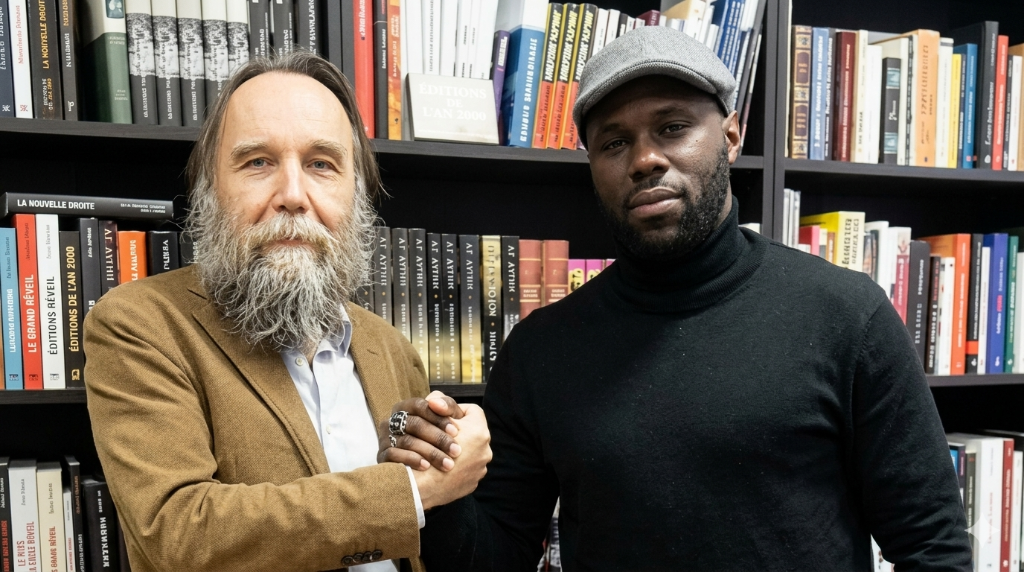
The recent developments in South Africa indicate that Seba may be willing to collaborate with any group capable of disrupting the status quo, regardless of their historical background or moral standing. His willingness to work with Afrikaner supremacist groups suggests a preference for media attention and chaos over a genuine quest for justice. True Pan-Africanism cannot serve as a cover for alliances that betray the history of the struggle; one does not liberate a people by shaking hands with their former oppressors for political leverage.
The erosion of a public image
As he navigates legal challenges and extradition threats, the image of the “principled” activist is fading. By seeking support from those nostalgic for racial segregation to bolster his own influence, Kemi Seba has turned a noble cause into a tool for self-promotion. Many observers now see him not as a voice for Africa, but as a figure caught in the web of his own ideological contradictions. Ultimately, his legacy may be defined not by his opposition to foreign powers, but by the fundamental inconsistency of his own choices.