Togo forges new diplomatic path in Sahel through strategic pivot
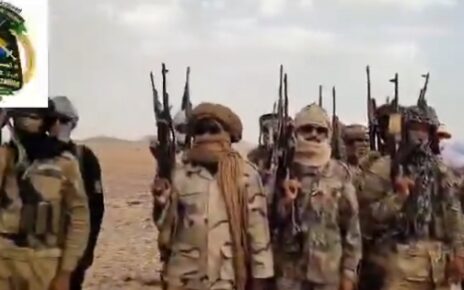
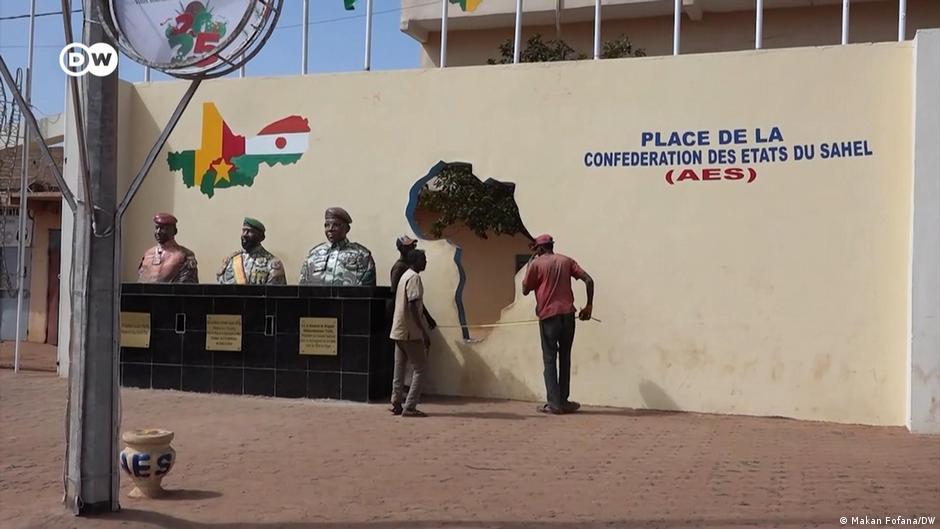
The Togo has outlined an ambitious regional strategy to position itself as an intermediary between military-led nations in the Sahel—Mali, Niger, and Burkina Faso—and the international community. This initiative, unveiled during a key policy launch, aims to address escalating jihadist violence that threatens regional stability.
Robert Dussey, Togo’s Foreign Minister, emphasized the urgency of this second phase: “The Sahel has become a hotspot for terrorist activity, putting the entire region’s security at risk. A robust, forward-looking strategy is no longer optional—it’s essential.”
Three strategic pillars to bolster regional security
Togo’s approach is built on three core objectives:
- Deepening regional cooperation: Strengthening alliances with neighboring states to uphold peace and stability.
- Facilitating peace conditions: Taking a proactive role in creating environments conducive to dialogue and conflict resolution.
- Supporting political normalization: Aiding countries governed by military juntas in restoring democratic governance following civilian-led overthrows.
The nation’s efforts have drawn mixed reactions from analysts. Jean Emmanuel Gnagnon, a political science researcher at the University of Lomé and crisis management expert, acknowledges progress: “Togo has successfully limited the southward spread of armed groups and prevented long-term terrorist infiltration. Its security posture has strengthened across the subregion. Compared to its neighbors, the country has managed to curb the spillover effect more effectively.”
However, Gnagnon notes that earlier phases have not resolved the crisis entirely but have bought critical time to fortify defenses. “They’ve prevented the worst-case scenario, at least for now.”
Experts question diplomatic impact amid regional skepticism
Critics like Madji Diabakaté, a political analyst, remain unconvinced about Togo’s broader influence. “Togo’s diplomatic zeal resembles the tale of a frog trying to match the size of an ox. When military coups occurred in the Sahel, two core issues emerged: insecurity and the restoration of democracy. Neither has seen meaningful progress. In fact, Togo’s stance may have weakened the ECOWAS by siding with nations that triggered the crisis.”
Public sentiment in Togo also reflects unease. Many citizens argue that national political tensions must be resolved before extending support to neighboring states. Despite this, Dussey insists the country maintains “constructive relations with regional and international partners, prioritizing shared interests.”
As Togo navigates this delicate balance between regional engagement and domestic priorities, its evolving strategy continues to spark debate on Africa’s evolving security landscape.