Discussions within the Trump administration are intensifying over the possibility of expanding American military operations in West Africa. Reports indicate that a potential strike target is the Jama’at Nusrat al-Islam wal-Muslimin (JNIM), an Al-Qaïda-linked faction operating across Mali—a country the United States has closely monitored following France’s earlier mission there.
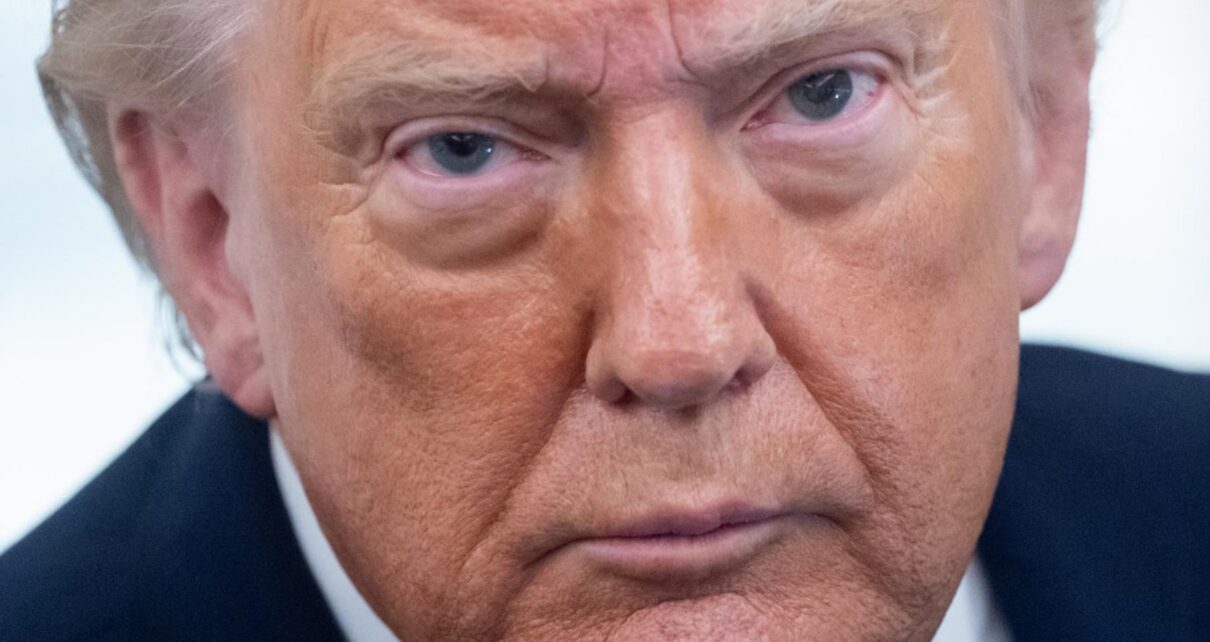
While no final decision has been made, internal debates are underway. Sebastian Gorka, a counterterrorism advisor to the National Security Council, is reportedly among the strongest advocates for military intervention. However, skepticism remains among other officials regarding the move’s strategic value. If approved, such strikes would mark the eighth country targeted by US forces during Donald Trump’s second term.
The White House has neither confirmed nor denied the rumors. Yet, unnamed administration officials have emphasized Washington’s push to boost security cooperation with North and West African nations. They describe the Sahel’s terrorism challenge as a «multinational threat», urging regional governments to invest in American military equipment and training.
The JNIM has grown into one of West Africa’s most formidable armed groups, with a presence stretching from Mali into neighboring coastal states. The group’s influence has surged in recent years, fueled by deteriorating security conditions across the Sahel.
Concerns rise over unintended consequences of US intervention
Analysts warn that a potential US-led campaign could backfire. Independent Sahel expert Corinne Dufka cautions that targeting JNIM leaders might undermine efforts to deradicalize and dismantle the group, one of the region’s most sophisticated jihadist organizations. Others argue that military strikes rarely alter the conflict’s long-term dynamics—citing France’s decade-long intervention followed by five years of Russian involvement, neither of which halted jihadist expansion.
There are also fears that weakening JNIM could inadvertently benefit rival factions, particularly the Islamic State in the Sahel, which has clashed with the group in the past. Additionally, the move risks escalating tensions with Russian forces already active in Mali, where Moscow’s counterterrorism efforts have yielded mixed results.
An unnamed US official remarked, «We hope African nations recognize the limitations of Russia’s approach to combating terrorism in the region.»