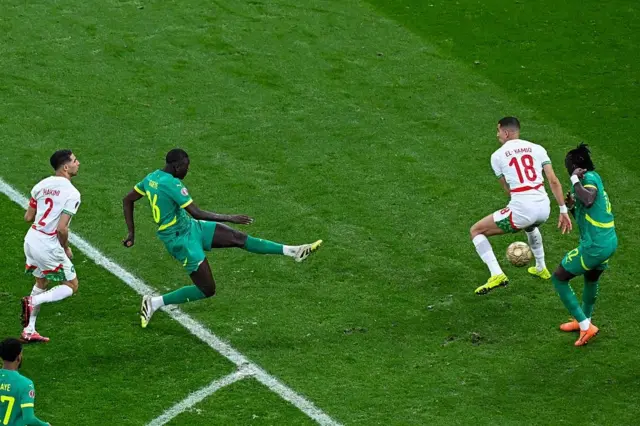
A massive shock has hit the world of football in Sénégal and across the continent. Exactly two months after celebrating their second Coupe d’Afrique des Nations victory on Maroc soil, the Confédération Africaine de Football (CAF) has made the unprecedented decision to strip the Lions de la Téranga of their title. Although Sénégal won the final 1-0, the trophy has now been reassigned.
The CAF Appeals Jury has officially declared Sénégal to have forfeited the match, subsequently naming Maroc as the rightful champions of the 2025 tournament. This West Africa insider news has sent ripples through the international sports community.
A massive emotional shift in the football world
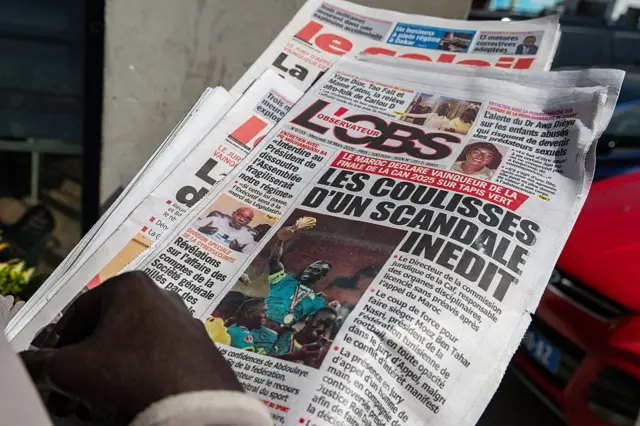
The news dominated the front pages of every major Sénégal newspaper this Wednesday. Since Tuesday evening, the topic has been the primary focus of television debates and social media discussions, where supporters are expressing deep frustration over the ruling. As part of our Sahel analysis English coverage, we note that the delay in this decision has caused significant confusion.
Global sports outlets have spent the last 24 hours dissecting this controversial move by the CAF. Analysts are questioning why it took sixty days to reach a verdict after the official trophy presentation and the victory celebrations on the pitch. On Canal +, consultant Samir Nasri sarcastically questioned the timeline, wondering why the authorities didn’t simply wait another decade to act.
The details of the CAF announcement
In a statement released on Tuesday, the CAF Appeals Jury explained that under Article 84 of the CAN regulations, the Sénégal national team has been declared to have forfeited the TotalEnergies CAF Coupe d’Afrique des Nations Maroc 2025 final. Consequently, the match result has been officially recorded as a 3-0 victory for the Fédération Royale Marocaine de Football (FRMF).
The governing body concluded that the Fédération Sénégalaise de Football (FSF) violated Article 82 of the tournament rules through the actions of its team. This has led to the automatic disqualification and the revised scoreline.
Understanding Articles 82 and 84 of the regulations
The reversal of the CAN 2025 result is based on specific legal frameworks within the Confédération Africaine de Football. Article 82 states that if a team withdraws, fails to appear, refuses to play, or leaves the pitch before the end of the match without the referee’s consent, they are considered losers and eliminated from the competition. This also applies to teams previously disqualified by CAF.
Article 84 reinforces this by stating that any team violating Articles 82 or 83 will be permanently excluded and lose the match 3-0. Article 83 specifically deals with teams failing to appear in proper kit at the scheduled kickoff time. In this instance, the Appeals Jury overturned the initial ruling made by the Disciplinary Committee.
The legal structure of the CAF
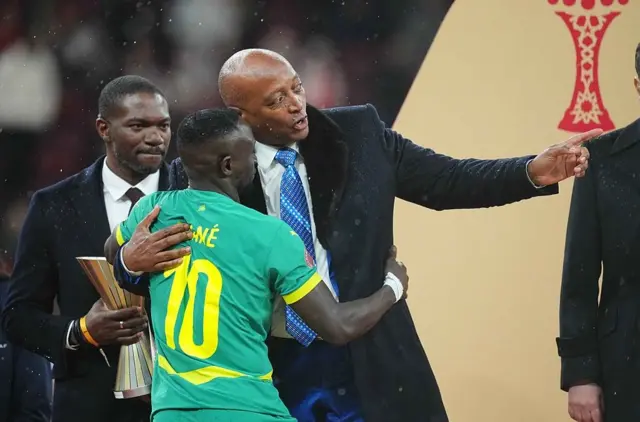
The CAF operates with two main legal entities. The Disciplinary Board acts as the first instance, handling financial and behavioral sanctions. The Appeals Jury, or Appeals Commission, serves as the second instance to review contested decisions. This is a vital part of Sahel Insider sports governance.
The Disciplinary Board typically meets shortly after an incident to review referee reports, video evidence, and official complaints. It operates under a system where all parties are heard before a judgment is rendered. The Appeals Jury meets as needed to resolve disputes arising from these initial decisions, usually reaching a conclusion within six days of a challenge.
Currently, the Appeals Commission consists of nine members, led by Roli Daibo Harriman from Nigéria and Vice-President Faustino Varela Monteiro from Cap-Vert. Other members represent countries such as Tunisie, Togo, Malawi, Namibie, Mauritanie, Djibouti, and the République Démocratique du Congo.
The basis of the appeal from Maroc
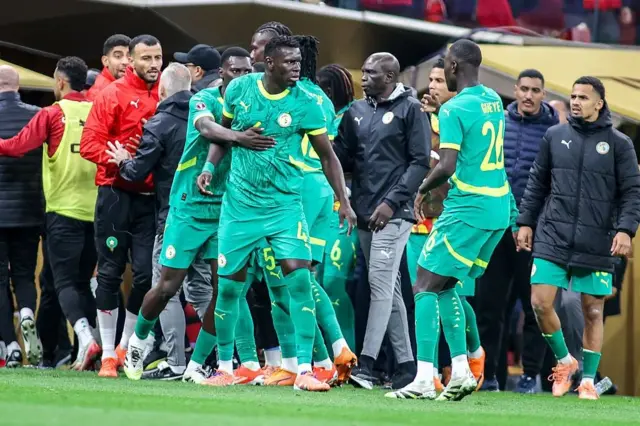
The FRMF initiated this process on February 3, filing a formal appeal against the initial Disciplinary Board ruling. The Maroc federation argued that the original penalties did not reflect the severity of the incidents during the final on January 18, 2026. They cited the withdrawal of Sénégal players and staff, a pitch invasion by fans, and subsequent scenes of violence and chaos as grounds for a harsher verdict.
Sénégal takes the case to the Court of Arbitration for Sport
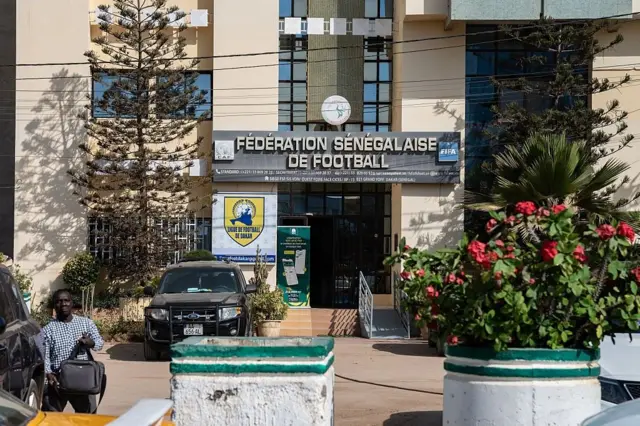
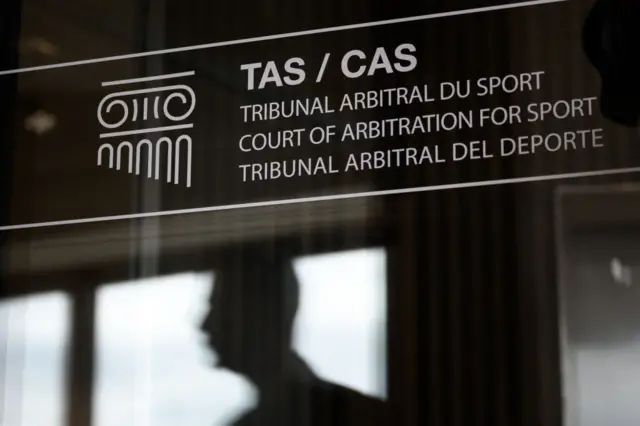
In response, Sénégal has decided to escalate the matter to the Tribunal Arbitral du Sport (TAS), also known as the Court of Arbitration for Sport. This Sahel politics of sports governance is now in the hands of the world’s highest sporting legal authority. The FSF has a ten-day window to file its case in Lausanne, Suisse.
The TAS is an independent body established in 1984 to resolve international sports disputes. It features a panel of roughly 340 arbitrators from 84 nations, chosen for their expertise in sports law. These arbitrators are required to remain strictly impartial and independent of all parties involved.
Decisions from the TAS can be rapid, sometimes arriving within 24 to 48 hours for urgent matters, though complex cases can take several months. Once a verdict is reached, it is final and binding for all parties, including CAF, FIFA, and the CIO. This ruling will effectively end the legal journey for the CAN 2025 trophy dispute.