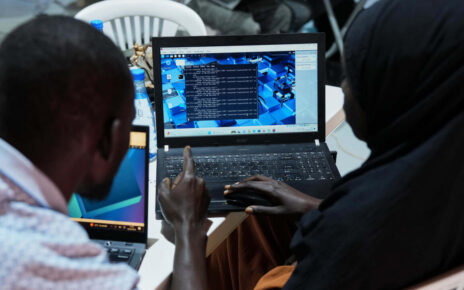
NIAMEY, July 31, 2026 — While earning a baccalaureate opens up a world of possibilities, it doesn’t always illuminate the path forward. For thousands of young Nigeriens, this academic achievement often signals the start of a new challenge: selecting the right educational program, identifying promising career fields, and ensuring their post-secondary choices aren’t merely a default option.
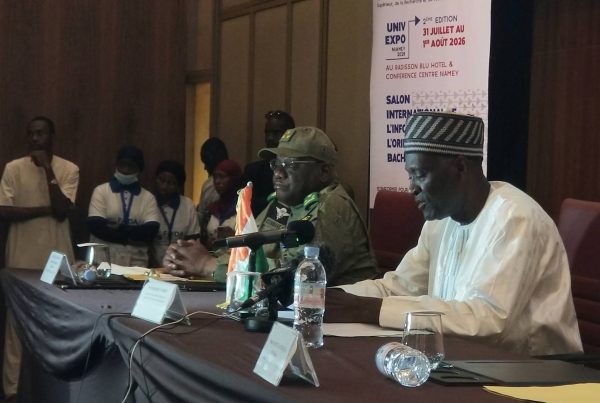
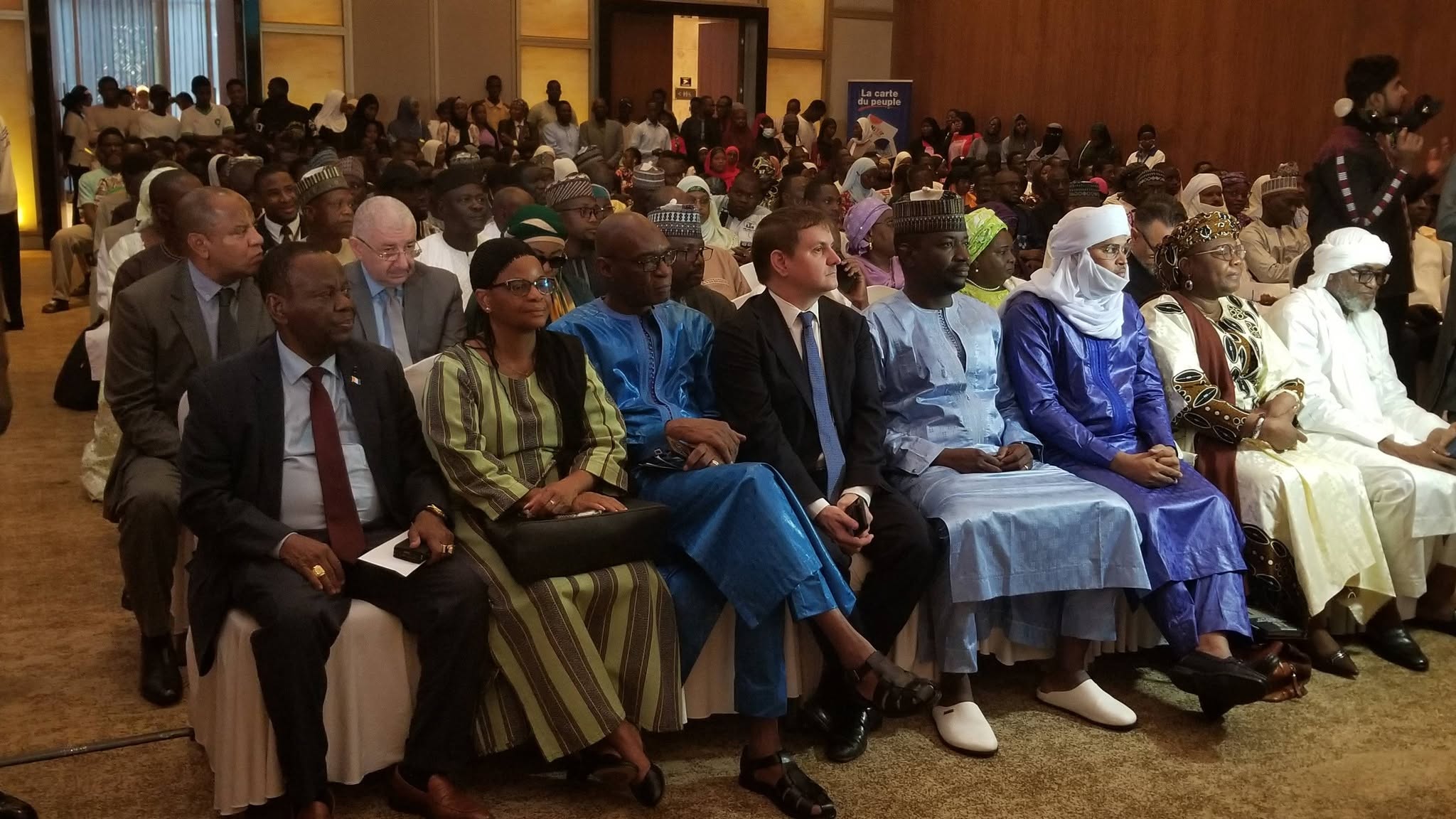
It is precisely within this realm of uncertainty that UNIV-EXPO 2026 aims to provide clarity. The second edition of the International Information and Guidance Fair for new baccalaureate holders commenced on Friday, July 31, in Niamey. This vital event is spearheaded by FAIDA Consulting, in close collaboration with the Ministry of Higher Education, Research, and Technological Innovation.
Beyond the university booths and program presentations, the fair addresses a much broader national objective. Niger seeks to bridge the gap between its youth’s aspirations and the crucial needs of its evolving economy.
The diploma is no longer enough
For today’s new baccalaureate holder, the question extends beyond merely continuing their education; it’s about discerning which path to pursue. The vast array of options—ranging from law, sciences, and technology to economics, engineering, vocational training, or other specialized programs—can quickly transform the freedom of choice into a daunting puzzle. Professor Mamadou Saidou, the Minister of Higher Education, Research, and Technological Innovation, placed this challenge at the core of his inaugural address.
According to the Minister, post-baccalaureate guidance must transcend mere administrative formalities. It should empower young individuals to align their aptitudes and ambitions with the opportunities presented by the job market and the nation’s development priorities. In essence, making the correct academic choice becomes a matter of national strategic importance.
A compass for new students
UNIV-EXPO is designed to serve precisely as this essential compass. Throughout the fair, new baccalaureate holders can explore various programs offered by different universities and prestigious schools. Crucially, they also have the opportunity to engage directly with professionals and educators who can help them navigate and understand the multitude of possibilities available.
The Director-General of FAIDA Consulting urged young attendees to actively participate in presentations and fully leverage the information provided. This approach builds upon the encouraging outcomes reported by organizers from the first edition of the fair.
The current endeavor aims to transform this experience into a recurring event, capable of meeting the growing demand for information at a critical juncture when young people must make decisions that will significantly influence many years of their lives.
The governor urges against arbitrary choices
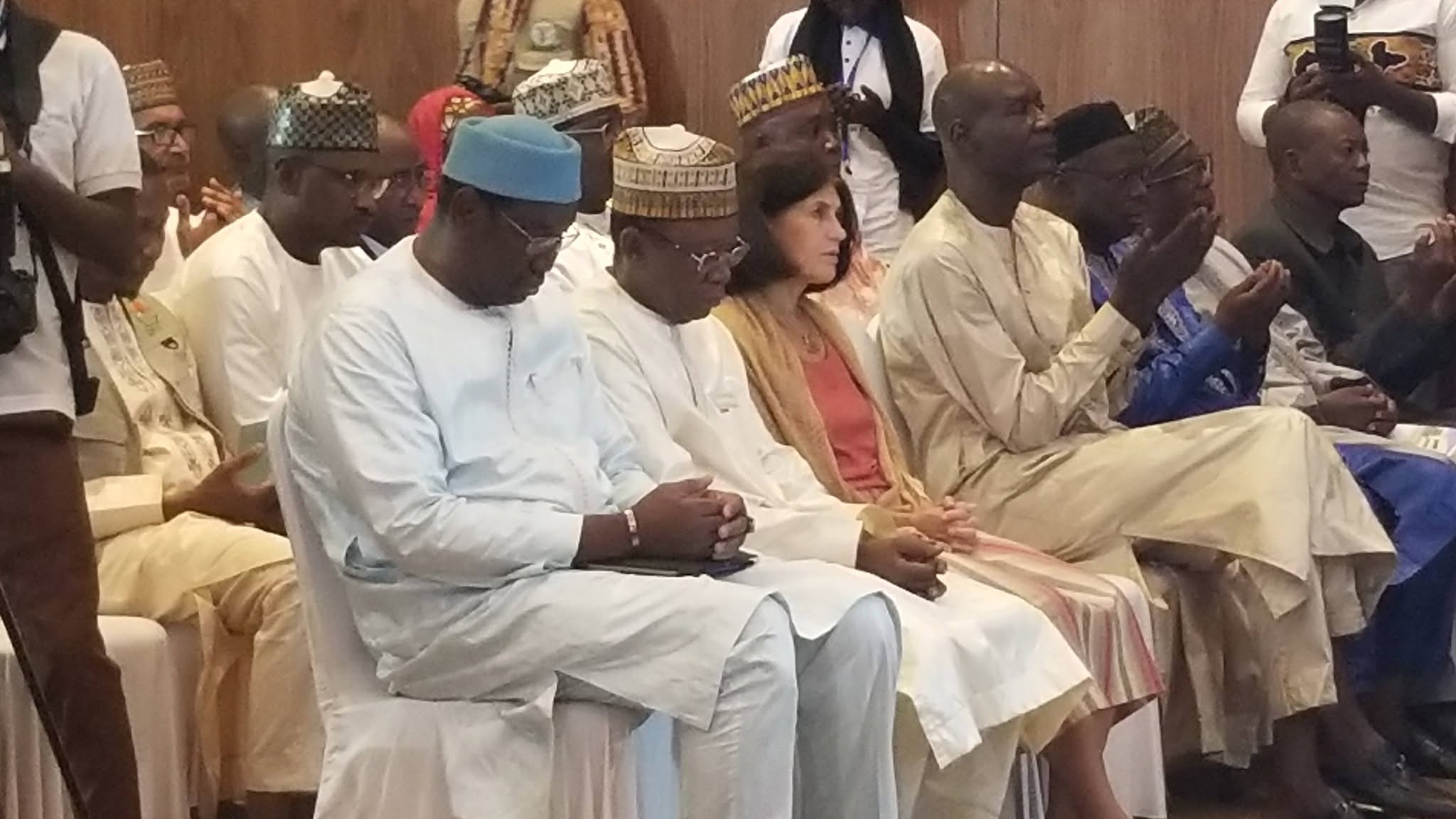
General of Division Assoumane Abdou Harouna, Governor of the Niamey region, also attended the opening and underscored the significant responsibility that accompanies this pivotal stage for students. His message to the new baccalaureate holders was clear: choose with careful discernment.
In an environment where certain fields might attract more candidates than others, guidance must steer clear of decisions driven solely by fleeting trends, peer pressure, or a lack of understanding regarding future career prospects. For young people, the fair provides a crucial opportunity to compare options, ask pertinent questions, and, most importantly, gain a thorough understanding before committing to an enrollment.
Developing the skills Niger will need
The government aims to address this issue with a broader national scope. During the launch, Professor Mamadou Saidou framed student guidance as an integral part of transforming the educational system and enhancing human capital.
This vision is built on a fundamental principle: a nation does not forge its future solely through infrastructure or investments; it builds it equally through the competencies of its youth. Consequently, the choice of educational pathways becomes a vital component of national development policy.
The Minister reaffirmed the authorities’ commitment to supporting initiatives and partnerships that contribute to developing the skills essential for the country’s progress. This strategic direction aligns with the stated priorities of the Nigerien authorities, under the leadership of the President of the Republic, Head of State, General of the Army Abdourahamane Tiani, and Prime Minister Ali Mahamane Lamine Zeine.
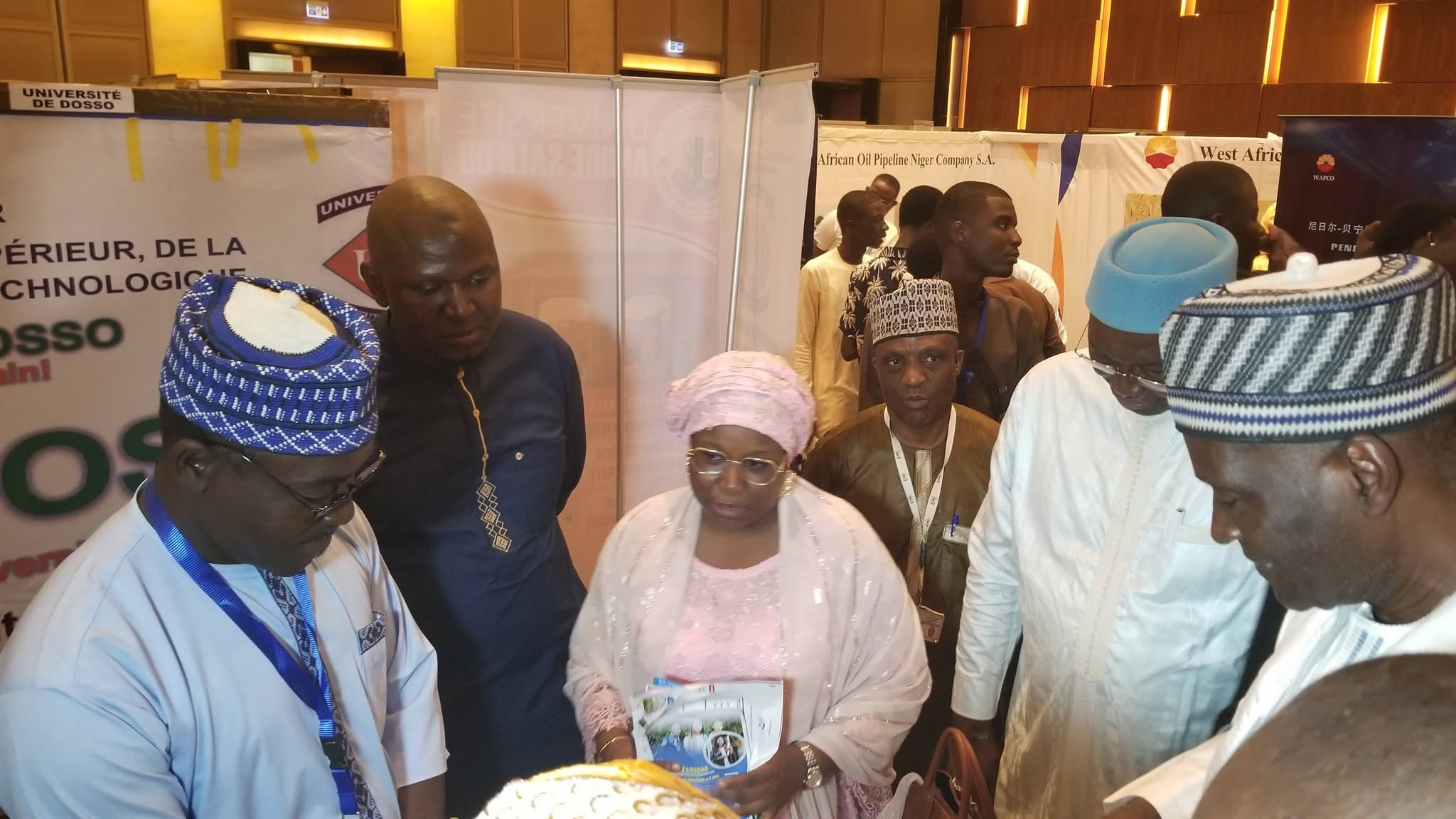
From information to informed choices at the stands
Following the official ceremony, Professor Mamadou Saidou toured the various exhibition spaces. Universities, prominent schools, and partners showcased their offerings and resources to visitors. While the scene might appear conventional, it addresses a very real challenge: enabling prospective students to transition from a general awareness of higher education options to making a well-reasoned decision.
Indeed, between earning a baccalaureate and successfully navigating entry into higher education, there lies a frequently underestimated step: knowing where to go and, more importantly, why. UNIV-EXPO aims to better guide students through this critical phase.
The real challenge begins after the fair
This second edition of UNIV-EXPO opens at a time when Niger is actively striving to strengthen its human capital and cultivate a new generation of skilled professionals. For both organizers and authorities, the ultimate goal extends beyond simply filling exhibition stands or informing visitors for a few days.
The true measure of success will be evident later: in the choices made by new baccalaureate holders, their ability to thrive in their chosen academic paths, and ultimately, their successful integration into professional life. Effective guidance isn’t judged by the number of brochures distributed, but by the number of young people who confidently find their true calling.
In Niamey, UNIV-EXPO 2026 thus initiates a deeper reflection that transcends the mere academic calendar. It poses a fundamental question for Niger: how can every new baccalaureate holder be transformed into a valuable asset, both for themselves and for the nation?
The answer might emerge in a conference room, in front of a university booth, or during a conversation with an advisor. But it will primarily be confirmed years down the line, when these young graduates embark on their careers within the Nigerien economy.