Urgent humanitarian crisis after Bamako demolition leaves 300 families homeless
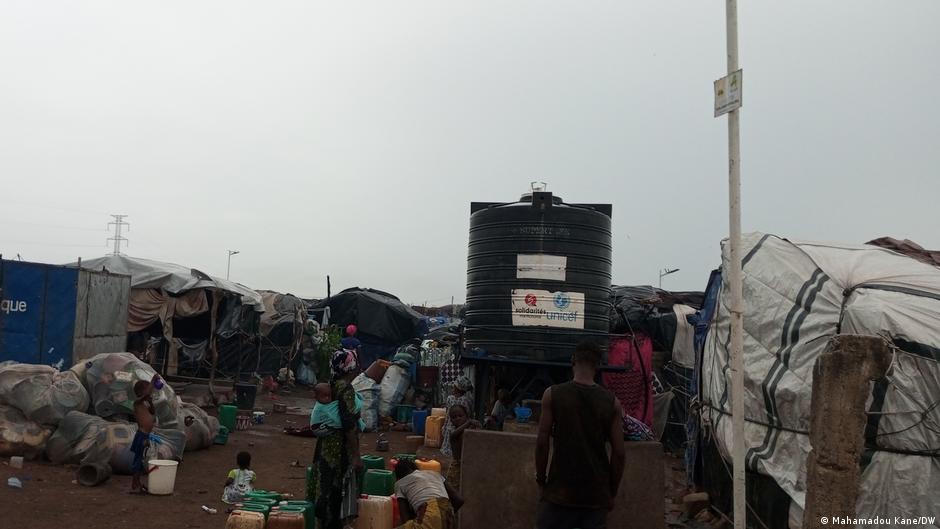
In the heart of Bamako, the capital of Mali, a devastating demolition took place on Sunday, April 19, 2025. Bulldozers flattened the historic Faladiè livestock market, a site known locally as the garbal, without prior notice. What made this demolition particularly tragic was the presence of an internally displaced persons (IDP) camp within the market grounds, home to over 300 vulnerable families.
These families, who had fled violent conflicts in central Mali years ago, had found a semblance of safety in Bamako. Among them was Dado, a 40-year-old mother from Bankass, who recounted her harrowing journey:
“We left our village six years ago. We thought we would be safe here.”
From perceived safety to sudden homelessness
Dado’s family is one of many now facing an uncertain future. The camp, established in 2019, was a refuge for over 2,000 internally displaced individuals, primarily women and children. With the demolition, they have lost not only their homes but also the meager means of survival they had built. Before the destruction, many relied on collecting scraps and leftovers to sell to livestock keepers, but now even that lifeline is severed.
Dado’s story is emblematic of the broader crisis:
“We are seven in total—my mother, my two daughters, and my three sons. We fled the war and came to the capital, believing we would be safe. Now, we’re told to leave again, and we have no choice but to comply. We beg the authorities to provide us with another relocation site. Without a roof over our heads, we have nothing.”
Failed relocation plans and desperate pleas
The Malian government had previously announced plans to relocate IDPs from the Faladiè camp to Sanankoroba, a site located 35 kilometers from Bamako. However, this relocation site has been widely criticized as non-functional by displaced persons and livestock traders alike. Many describe it as ill-prepared, lacking basic infrastructure such as clean water, sanitation, and shelter.
The displaced families are now pleading for immediate action:
- Shelter: The most urgent need is a safe place to live. With nowhere to go, families are exposed to harsh conditions.
- Food and water: Essential supplies are scarce, and the lack of clean water poses health risks.
- Medical care: Access to healthcare is limited, putting vulnerable individuals, especially children and the elderly, at risk.
The National Directorate of Social Development, when contacted, stated that it was “too early” to comment on the situation. This lack of immediate response has left thousands in limbo, struggling to meet their basic needs.
The humanitarian organizations that previously supported the camp have also been displaced by the demolition. Their ability to assist the affected families is now severely compromised.
A call for urgent intervention
The sudden demolition of the Faladiè camp has plunged hundreds of families into a dire humanitarian crisis. The displacement of internally displaced persons without a viable relocation plan highlights systemic failures in addressing the needs of vulnerable populations in Mali.
As Dado and her family join the growing number of homeless individuals in Bamako, the international community and local authorities must act swiftly to prevent further suffering. The priorities are clear: provide immediate shelter, ensure access to food and water, and restore a sense of security and dignity to those who have already endured so much.