From Paris to Pretoria, students demand change in 2026
Across five continents, 2026 became a year when students and pupils took to the streets not just for better grades, but for better lives. From African university corridors to European high schools, governments now face a clear question: can education systems still deliver on their promise of opportunity, or has the dream of progress become unaffordable?
France leads the movement with school closures nationwide
September 2026 saw protests erupt in French lycée corridors. By October 1st, over 1,000 schools were either blocked, striking, or mobilising. Pupils demanded smaller classes, working toilets, and real guidance—services they argue have eroded under budget cuts. Authorities responded by sending police, making arrests, and promising reforms. Yet while some demonstrations remained peaceful, others escalated into clashes that overshadowed the original demands.
Europe’s youth protests take centre stage in four key capitals
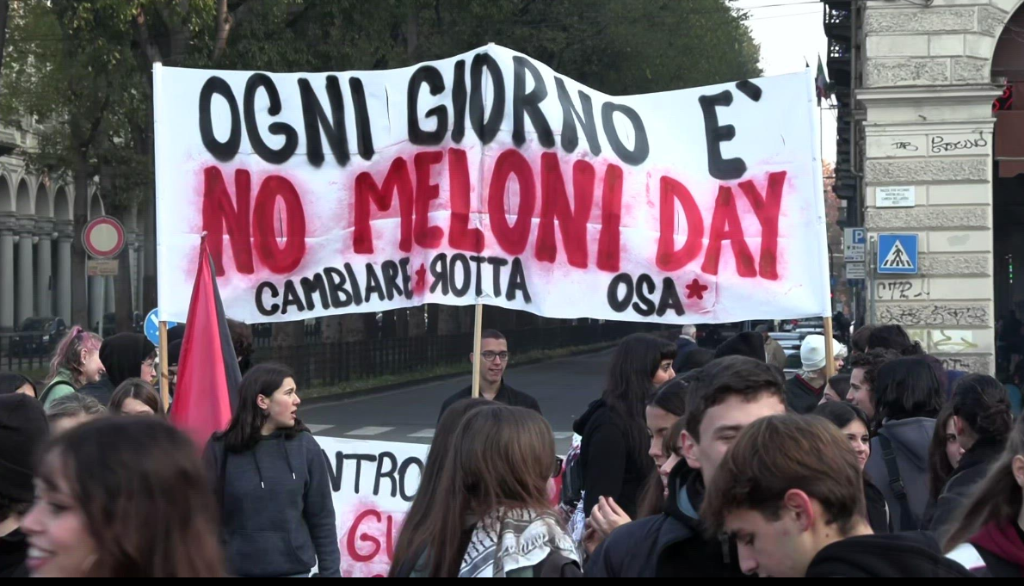
Italy’s streets reject classroom segregation
On October 16th, thousands marched in Milan, Rome, and Turin against a government decree perceived as targeting immigrant students. Some turned confrontational, throwing objects and setting off fireworks. The unrest came amid broader anger over energy bills and public spending, forcing officials to balance control with concession.
Albania’s students burn with frustration on Tirana’s boulevards
The same week, Tirana became a flashpoint. Students alleged corruption among public officials and protested unaffordable tuition and bleak job prospects. Banks and university buildings were set ablaze, prompting tear gas and water cannons from police. Authorities condemned the violence but acknowledged deeper issues still unaddressed.
Greece’s call for housing and hope
October 21st brought Athens, Thessaloniki and Patras to a standstill. Students demanded subsidised dorms, free textbooks, and lower rents—basic necessities when family budgets are stretched thin. The protests highlighted how economic survival increasingly competes with academic ambition.
Belgian pupils draw the line on austerity
French-speaking Belgium saw its own wave beginning October 1st. Pupils rejected education cuts and staged vigils that, in some cases, turned confrontational. Their core concern: whether austerity measures would permanently damage their future prospects.
Africa’s university strikes hit where it hurts most
Senegal’s bursary crisis claims a life
At Dakar’s Cheikh Anta Diop University, delayed scholarship payments triggered a December 2025 uprising that reignited sharply in February 2026. The death of student Abdoulaye Ba during clashes forced authorities to close the campus and promise investigations. For many, bursaries aren’t just financial aid—they’re the difference between continuing studies and dropping out entirely.
Kenya’s public universities paralysed by salary disputes
When lecturers in public universities went on strike, students at the University of Nairobi found themselves paying the price: delayed exams, cancelled classes, and uncertain graduation dates. Though not at fault, they bore the academic consequences of a salary dispute beyond their control.
South Africa’s rising debt threatens future enrolments
At Rhodes University, students mobilised against rising tuition fees and debt rules that could block re-enrolment in 2027. Thirteen arrests followed a protest, later dropped under public pressure, revealing how financial barriers are eroding access to higher education.
Latin America and Asia join the chorus
Argentina’s federal university march
On October 15th, students, lecturers and staff marched in Buenos Aires, demanding full implementation of the university funding law, salary increases, and more resources for public institutions. The protest reflects a widening gap between government priorities and academic needs.
Indonesia’s students protest rising costs and governance
June 12th saw students in Jakarta and Surabaya march against soaring fuel and food prices, inadequate public spending, and concerns over military influence in civilian life. The protests underlined how economic hardship can fuse with political distrust, pushing education debates into broader policy disputes.
Governments respond: repression, reform or retreat?
States have adopted mixed strategies: increased policing, campus shutdowns, legal threats, and rare budget pledges. Yet when force overshadows dialogue, trust erodes further. Students ask not only for quieter streets but for verifiable change: paid bursaries on schedule, sufficient teachers, renovated buildings, and affordable housing. Without these, security crackdowns risk deepening the crisis rather than resolving it.
Education under strain: the true cost of unmet promises
The 2026 mobilisations did not follow a single script. They were not coordinated, nor did they share identical demands. Yet across languages and borders, a common theme emerged: education systems are struggling to meet the needs of a generation facing declining opportunities, rising costs, and institutional scepticism. When diplomas no longer guarantee stable futures, when classrooms lack basics, and when the next meal depends on an unpaid bursary, the message is clear. Governments are being asked not only to fund education, but to restore its promise. The real question is whether states will listen before the social contract fractures beyond repair.