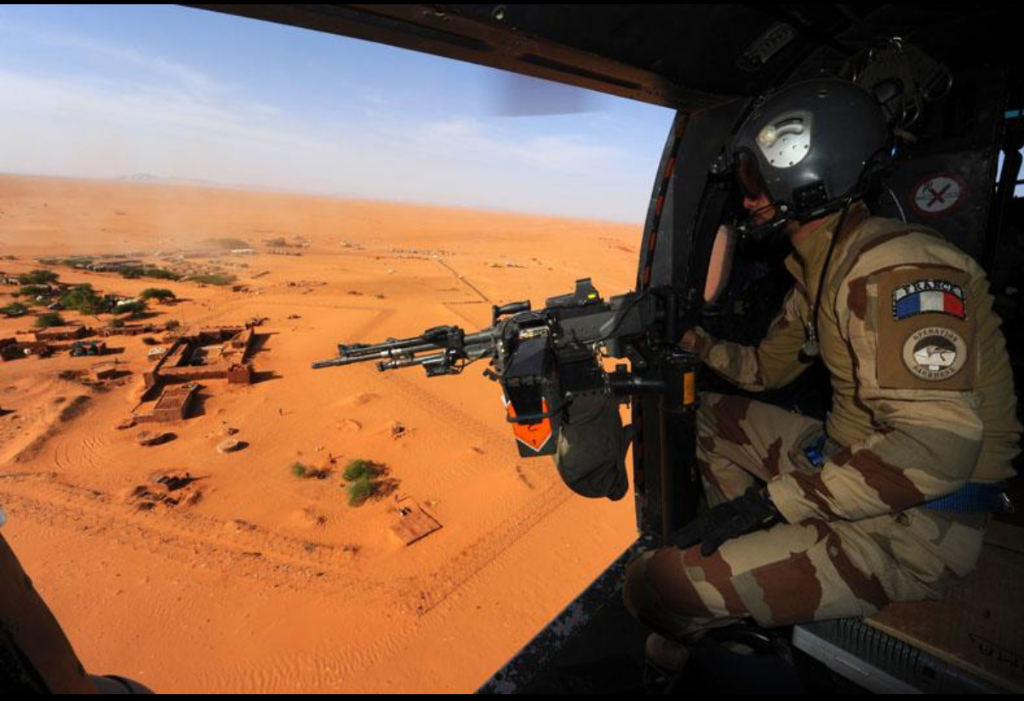
Unanswered Questions Surrounding Algeria’s Military Deployment in Niger
The recent approval by Algeria’s legislative body for a military deployment to Niger has raised a critical question: have Nigerien authorities followed their own constitutional framework, as outlined in the Charte de la Refondation, before allowing foreign forces on national soil? With security imperatives clashing against democratic accountability, the stakes could not be higher.
Algeria’s Military Move: A Historic Yet Controversial Decision
On October 25, 2026, Algeria’s Parliament formally endorsed the dispatch of troops to Niger, a move unseen in over fifty years for the North African nation. The planned stationing of Algerian forces, potentially near Madama in northern Niger close to the Libyan border, signals an unprecedented security partnership. Yet, while Algiers has met its institutional obligations, Niamey’s compliance with domestic laws remains unclear. Official timelines and operational details about the deployment have yet to be disclosed.
Does the Charte de la Refondation Mandate a Public Vote?
Adopted on March 26, 2025, the Charte de la Refondation serves as Niger’s foundational document during its institutional transition. It explicitly states that foreign military presence—whether temporary or permanent—requires prior consultation of the sovereign people through a referendum, issued by the head of state as commander-in-chief. However, an exception exists: in cases of proven urgency, the president may authorize such presence via decree after consulting the Consultative Council of the Refoundation. This exceptional measure cannot exceed the duration necessary to stabilize the triggering crisis.
The crux of the matter: Was a public referendum held on Algeria’s military presence, or did authorities invoke the emergency clause? Public information remains inconclusive on both fronts, leaving citizens and analysts with no definitive answer.
Urgent Clarification Needed on Legal Grounds
While Algeria’s parliamentary approval fulfills its own legal requirements, it does not substitute for Niger’s constitutional procedures. The absence of transparent communication about whether a referendum was conducted—or an emergency decree issued—creates uncertainty regarding compliance with the Charte.
The emergency clause is not a blanket authorization to sidestep public consultation. It is narrowly defined, mandates advisory input from the Consultative Council, and strictly limits the duration of any exception. For Niger’s military authorities, led by General Abdourahamane Tiani since the July 2023 transition, clarity on the legal basis for this deployment is now imperative.
Security Cooperation vs. Democratic Legitimacy
Niger faces persistent security threats from armed groups across the Sahel, making regional cooperation a pragmatic necessity. Algeria’s support—whether in border surveillance or protection of critical infrastructure—could address immediate vulnerabilities. Yet, sovereignty is not merely about territorial control; it encompasses adherence to institutional rules and public accountability.
Since the 2023 coup, Niger has been governed under a transitional framework where the Charte holds quasi-constitutional weight. The document’s requirement for a national referendum on foreign military presence reflects a deliberate balance between security needs and democratic legitimacy. Any deviation from this process demands robust justification, especially outside the narrowly defined emergency provisions.
The Dangers of Unchecked Foreign Military Presence
Beyond legal compliance, the deployment carries tangible risks. Over-reliance on foreign forces could undermine long-term capacity-building, leaving Niger dependent on external protection. Clear communication about mission objectives is essential—is the focus on civilian safety, counterinsurgency, economic asset protection, or a combination?
There is also the risk of mission creep. A deployment initially confined to infrastructure protection could expand in response to escalating threats or retaliation, potentially entrenching foreign forces beyond original intentions. Without publicly defined boundaries, objectives, and oversight mechanisms, the host nation risks losing control over the scope of engagement.
Most critically, a lack of transparency risks eroding public trust. In a nation where national sovereignty remains a cornerstone of public discourse, opaque military agreements fuel skepticism and could spark broader discontent.
Time for Transparency: What Should Authorities Reveal?
Niger’s military leadership must now clarify the legal foundation behind Algeria’s deployment. Is it grounded in a public referendum, an emergency decree, or an alternative interpretation of the Charte? Providing redacted yet meaningful details of the agreement would help citizens understand the strategic rationale while maintaining operational secrecy where necessary.
Civil society, political actors, and advisory bodies also have a role to play. By fostering an open debate, authorities can demonstrate that security cooperation does not come at the expense of democratic accountability.
Sovereignty, Security, and the Rule of Law
The collaboration between Niger and Algeria unfolds amid a broader regional push for collective security. Yet, its legitimacy hinges on adherence to domestic constitutional norms. The Charte de la Refondation is clear: foreign military presence requires either a popular vote or, in exceptional cases, a time-bound emergency decree with Council oversight. The burden of proof now lies with Niamey to demonstrate how this deployment aligns with those rules.
Security may justify alliances, but sovereignty demands compliance. The people of Niger deserve to know whether their leaders have followed the law—or sidestepped it in the name of expediency.