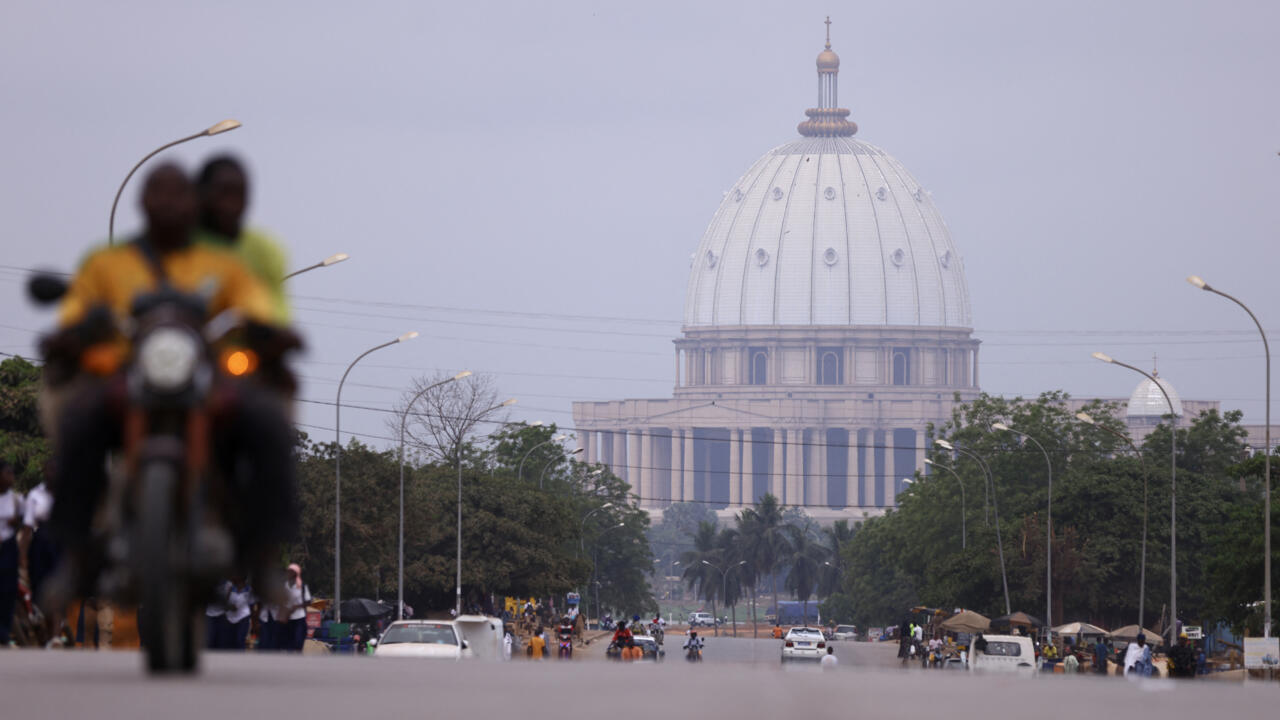
In Yamoussoukro, land values are soaring and construction sites are multiplying at a rapid pace. The Ivorian political capital is evolving into one of the nation’s freshest hotspots for real estate investment. This land rush is reshaping surrounding villages and igniting debates over the future of agricultural land.
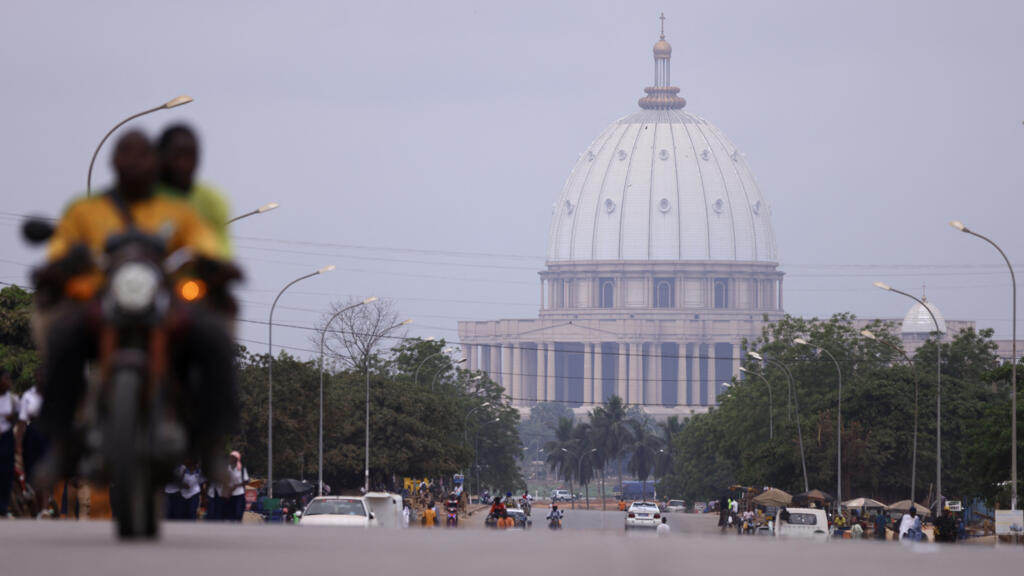
Land values skyrocket as development accelerates
From his drone, local real estate agent Francis Djaha showcases parcels of land to prospective buyers. The view from above captures the Basilica of Our Lady of Peace, one of the country’s most iconic landmarks, with dozens of plots already demarcated. Depending on location and size, land prices range between 15 and 40 million West African CFA francs. Djaha, who has been in the business for five years, notes a growing appetite for Yamoussoukro: «We’re seeing individuals seeking residential plots, industrial investors, commercial buyers looking for office spaces, and even agricultural land seekers. Some are interested in turnkey homes,» he explains.
Across several neighborhoods, construction sites are proliferating as investors flock to the city. Yamoussoukro’s appeal stems from its available land, but that’s not the only draw. «The roads are wide and well-maintained, making travel effortless. The city maintains a peaceful atmosphere, and the infrastructure built by former President Houphouët-Boigny sets it apart from other urban centers. Most importantly, Yamoussoukro’s central location makes it a gateway to the rest of the country These advantages are drawing buyers from Abidjan, other Ivorian regions, and the diaspora—attracted by relatively affordable prices and the city’s development prospects. One entrepreneur, who prefers to remain anonymous, recently acquired a plot and is already planning a residential project. «Our goal is to develop housing accessible to the broader population,» he shares. However, this real estate boom is reshaping villages on Yamoussoukro’s outskirts. Once dedicated to crops like cocoa, yams, and cassava, these lands are gradually giving way to housing developments. While this transformation fuels hopes for economic growth, it also raises concerns about the long-term impact on local farming communities. Michel N’Goran, advisor to the village chief of Séman Sanhourikro, just a few kilometers from Yamoussoukro, voices these worries: «With these developments, we can no longer cultivate the land. In 30 or 50 years, what happened to the Ebrié people in Abidjan could happen to the Akouès and Nanafouès here. We risk losing all our arable land,» he warns. The government’s five-year development plan includes a high-speed rail link between Abidjan and Yamoussoukro, cutting travel time to 45 minutes. This initiative is expected to further boost the city’s appeal as a prime investment destination.Farmland shrinking amid urban expansion