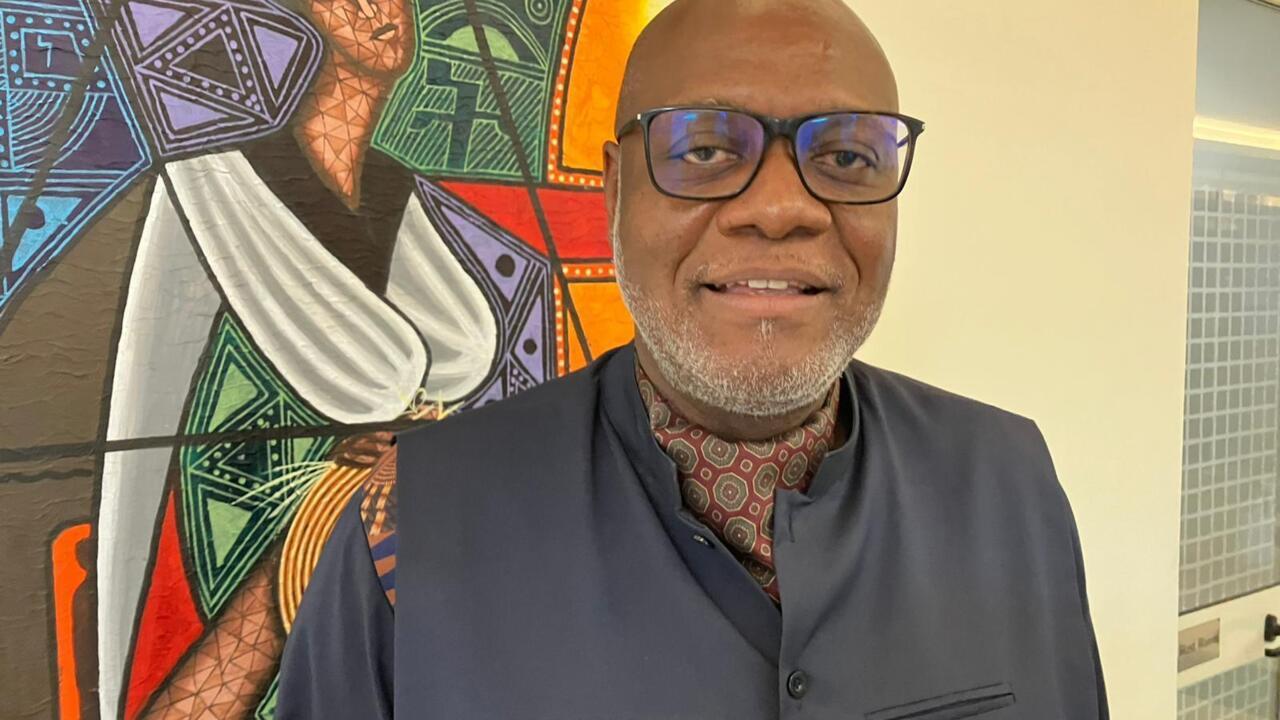

«it is unacceptable for coup plotters to be democratically elected»
The 39th African Union summit concluded with a bold declaration: to “silence the guns” and end unconstitutional power grabs. But can this promise be taken seriously? Cameroonian researcher Paul-Simon Handy, regional director of the Institute for Security Studies (ISS) for East Africa, was in Addis Ababa to provide insight as a guest on Africa Midi.
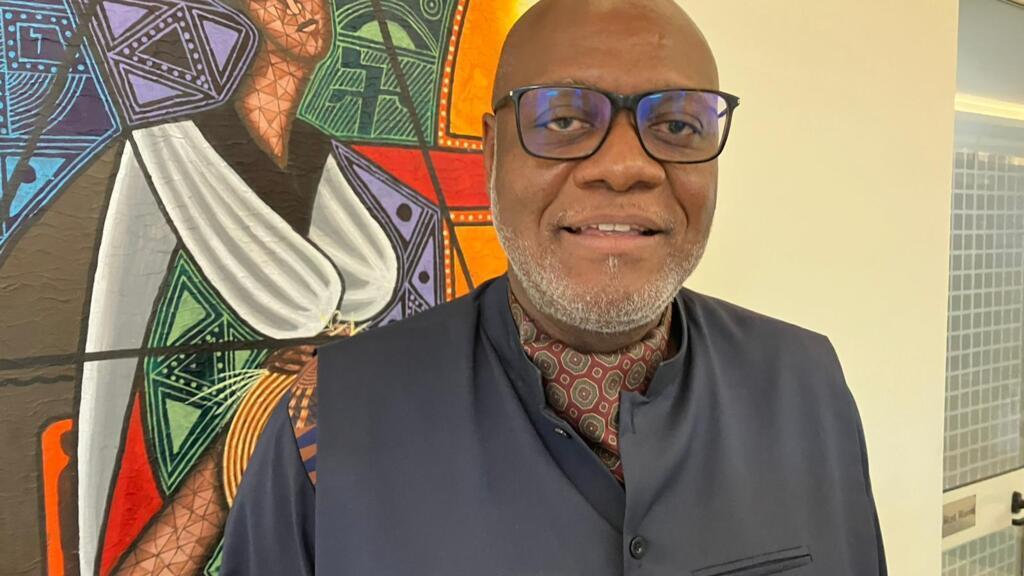
During the high-level discussions in Addis Ababa, the African Union reaffirmed its commitment to eradicate unconstitutional regime changes across the continent. Yet skepticism lingers: how can such declarations translate into tangible action when some nations appear to reward coup leaders with electoral victories?
Paul-Simon Handy, a leading voice in African security studies, directly addressed this paradox. As regional director of the Institute for Security Studies (ISS) for East Africa, he emphasized that legitimizing coup plotters through elections sends a dangerous message. “Allowing those who seize power by force to later stand as democratically elected leaders undermines the very foundations of governance,” Handy argued during his appearance on Africa Midi.
Can the AU’s zero-tolerance policy hold?
The 39th AU summit’s final communiqué left no room for ambiguity: “No tolerance for unconstitutional changes of government.” This stance reflects growing international pressure to curb the wave of military takeovers sweeping across West and Central Africa. However, the recent rise of former coup leaders winning elections in Mali and Niger casts doubt on the bloc’s ability to enforce its own resolutions.
Why elections matter in post-coup transitions
The debate intensifies when examining the aftermath of coups. While some transitional governments promise a return to civilian rule, the path often leads to controversial elections where coup leaders—now donned in civilian attire—seek public validation. Handy pointed out that this normalization of military rule through ballots is a slippery slope. “Electoral legitimacy does not erase the illegitimacy of a coup,” he stated. “The AU must strengthen its mechanisms to prevent such contradictions from undermining continental stability.”
The podcast segment also explored potential solutions, including stricter sanctions against regimes that flout democratic norms and greater support for civil society in holding leaders accountable. Handy’s insights underscored a critical question: Can Africa’s institutions truly enforce their principles, or will political expediency continue to prevail?