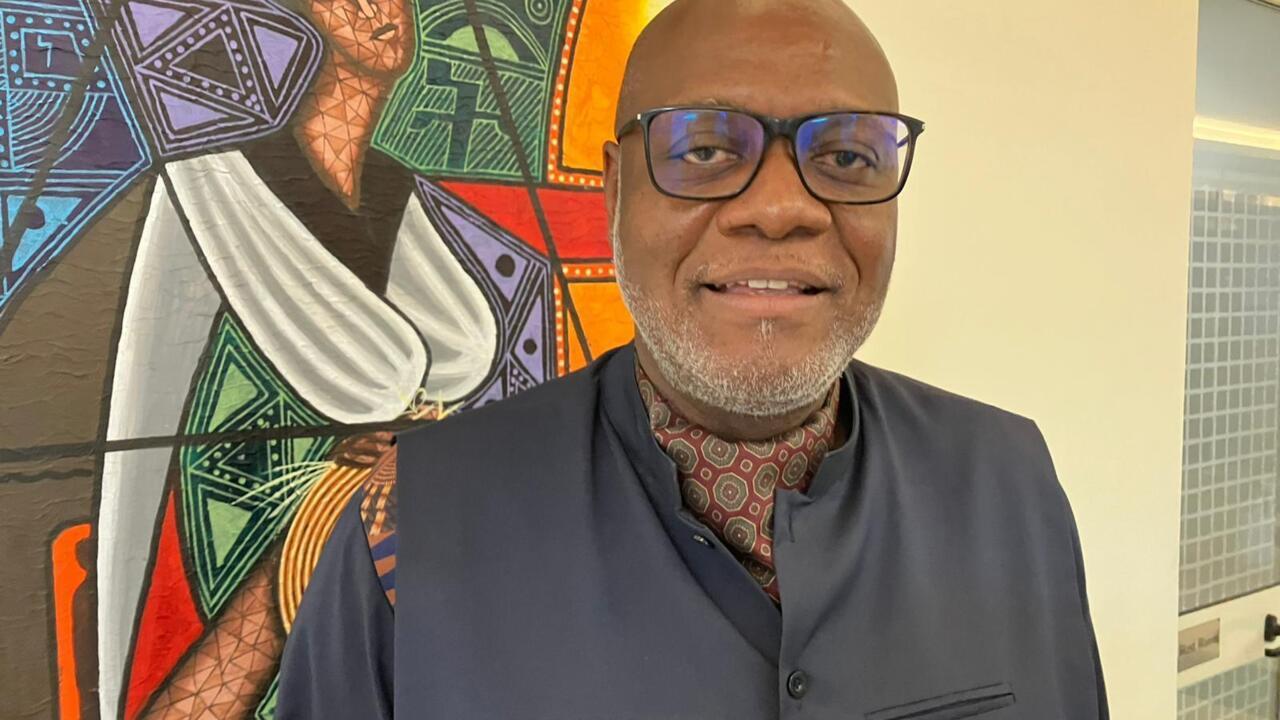
The 39th African Union summit concluded with a bold declaration: silencing the guns and vowing zero tolerance for unconstitutional power grabs. But can such promises hold weight when those responsible for coups are later handed democratic mandates? This pressing question took center stage during a recent discussion on Africa Midi.
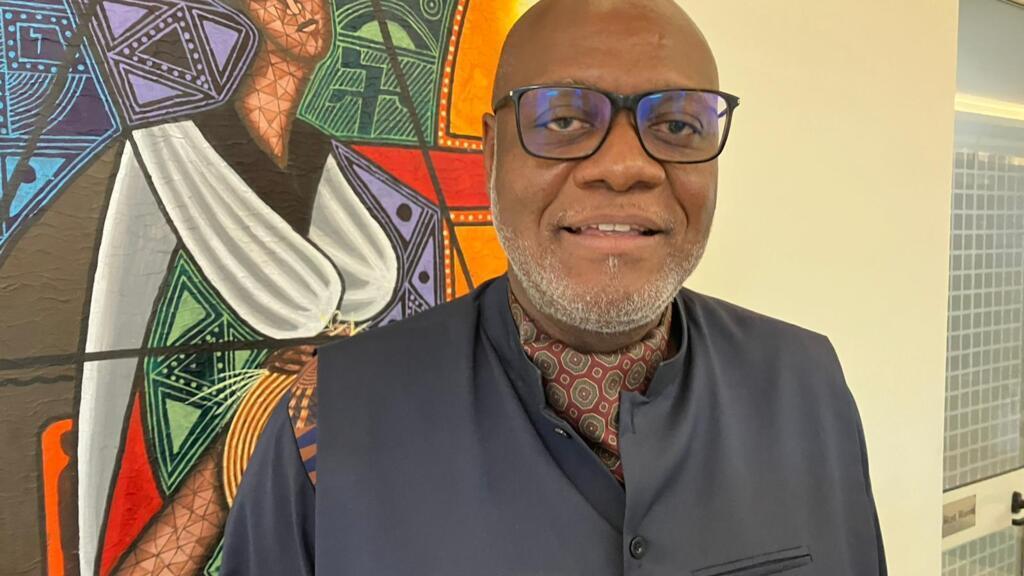
a controversial stance on post-coup legitimacy
Paul-Simon Handy, Cameroonian researcher and East Africa Regional Director at the Institute for Security Studies (ISS), was in Addis Ababa to dissect the AU’s latest declarations. Speaking on Africa Midi, he delivered a sharp critique: “It is unacceptable for architects of coups to later be elected through democratic processes.” His words cut to the heart of a growing dilemma facing the continent.
The African Union’s 39th summit had set ambitious goals: ending armed conflicts and halting unconstitutional regime changes. Yet Handy questioned whether these resolutions would translate into real action. “Making peace with arms” might sound noble, but when those who seized power by force later claim democratic legitimacy, the message becomes muddled.
balancing principles with political reality
Handy acknowledged the complexity of the situation. “We cannot ignore the fact that some post-coup governments have gained public support,” he said. “But legitimacy derived from elections does not erase the origins of their rise to power.” His argument underscores a fundamental tension: should democratic outcomes supersede constitutional violations in the eyes of the international community?
The debate extends beyond rhetoric. Handy highlighted the need for clear, enforceable criteria to determine when a government has crossed the line. Without such guardrails, declarations like “silencing the guns” risk becoming hollow promises.
the way forward for african governance
Handy proposed a multi-pronged approach. First, the AU must strengthen its enforcement mechanisms to hold member states accountable. Second, civil society and regional blocs need to play a more active role in monitoring transitions. Finally, he urged a shift in how Africa engages with international partners, ensuring that support is contingent on adherence to constitutional norms.
“The continent cannot afford to normalize the normalization of coups,” Handy concluded. “Democracy must mean more than just elections—it must begin with respect for the rule of law.”
Listen – 05:45