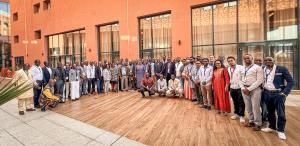
Dakar – A major regional effort is underway in the capital of Sénégal, where more than 80 specialists from 19 African nations have convened to refine the quality and consistency of data used in the fight against polio. This collaborative mission is focused on enhancing disease detection and sharpening the precision of vaccination campaigns to ensure children across the continent remain protected.
A strategic focus on surveillance and digital innovation
The intensive workshop brings together representatives from various ministries of health, national polio reference laboratories, and technical experts. The primary objective is to fortify the data systems that underpin polio surveillance and outbreak responses, facilitating decisions based on solid evidence across Afrique.
Throughout the sessions, participants are scrutinizing data quality across several critical pillars of the eradication program. This includes the monitoring of acute flaccid paralysis (AFP), environmental surveillance, laboratory analysis, and electronic reporting systems. By identifying existing bottlenecks, the experts aim to implement practical solutions that ensure the rapid and reliable transmission of health information.
A significant portion of the agenda is dedicated to hands-on training with digital tools. These regional innovations are designed to promote a data-centric culture at every level of public health administration. Discussions are also centered on the maintenance of digital platforms that allow for the swift collection and analysis of field data, which is vital for timely intervention.
Maintaining vigilance despite historic milestones
The workshop was inaugurated by Dr. Yao N’da Konan Michel, who serves as a senior representative in Sénégal. During his opening remarks, he commended the government of Sénégal for hosting the event and highlighted the country’s strong track record in managing infectious diseases.
Dr. Yao noted that while Afrique achieved a historic milestone in 2020 by being certified free of indigenous wild poliovirus, the continued presence of circulating variant polioviruses means that the mission is far from over. He stressed that success depends on high-quality surveillance and the ability to bridge immunity gaps through effective vaccination drives, all supported by a robust digital ecosystem.
Securing the legacy of public health systems
Technical lead Kebba Touray, who oversees data and information management for the eradication program, explained that the workshop represents a collective pledge to protect the progress made over recent years. He pointed out that the current data infrastructure is the result of long-term leadership and significant technical support from international partners.
Touray urged the delegates to use this time in Dakar to establish permanent mechanisms for fixing data gaps. He cautioned that failing to improve data quality would make it nearly impossible to evaluate the sensitivity of surveillance or monitor the effectiveness of outbreak responses. Without these insights, the ultimate goal of total polio eradication in Afrique could be placed at risk.