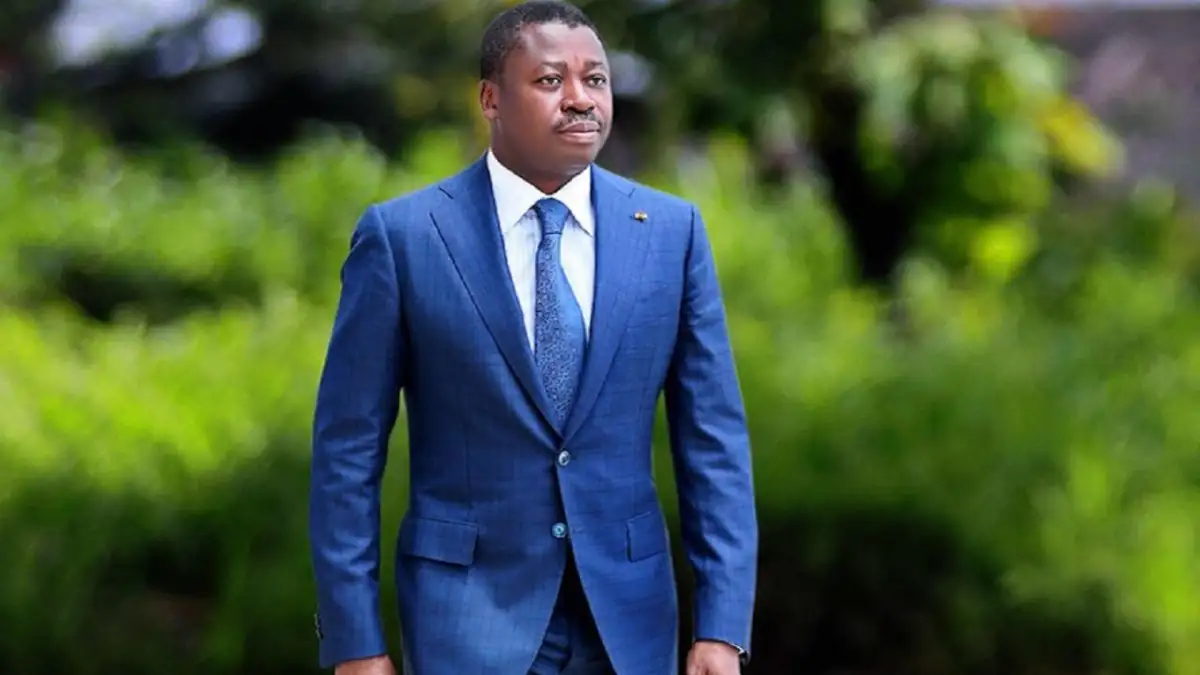
The Nuclear Energy Innovation Summit for Africa is currently underway in Kigali, the capital of Rwanda, bringing together top leaders from across the continent. On May 19, Togolese president Faure Gnassingbé outlined his vision for nuclear energy in Africa, emphasizing balanced collaboration between African nations and international energy stakeholders amid growing continental nuclear ambitions.
Addressing attendees, the Togolese head of state dismissed outdated notions of one-sided technological aid. « Africa is not seeking handouts or charity when it comes to nuclear technology. Instead, we are offering a partnership—an open market—and a mature vision for our own energy future », he stated firmly.
African push for a stronger role in civil nuclear energy
His remarks come as multiple African countries accelerate their civil nuclear programs. Egypt, for instance, is currently building the El Dabaa nuclear power plant with international technical and financial backing. South Africa, home to the Koeberg nuclear facility, remains the only African nation with a fully operational nuclear infrastructure.
According to the International Atomic Energy Agency, several African states have initiated talks with foreign partners to expand nuclear power generation, primarily to meet soaring energy demand and address long-standing electricity access gaps across the continent.
Faure Gnassingbé’s statements reflect a broader shift among African governments—one that prioritizes equitable negotiation frameworks in nuclear technology acquisition, stressing economic cooperation and mutual benefit over dependency.
Uranium wealth and reliance on foreign technology
Africa holds significant uranium reserves, a critical fuel for nuclear reactors. Key producers such as Niger and Namibia are central to the global supply chain, yet most African countries still depend heavily on foreign expertise for designing, constructing, and operating nuclear facilities. Current initiatives largely hinge on technical partnerships with advanced nuclear nations.
Training, regulation, and funding: the pillars of nuclear progress
Discussions at the summit also focused on the prerequisites for successful nuclear project implementation. Experts underscored the urgent need to build local human capacity—training specialized engineers and nuclear safety personnel—as well as establishing independent regulatory authorities, a prerequisite for any civil nuclear development. Securing long-term financing, often involving multi-billion-dollar investments spanning over a decade, remains another critical challenge for participating states. Future priorities include finalizing cooperation agreements announced during the event and launching national nuclear development programs in multiple African countries.