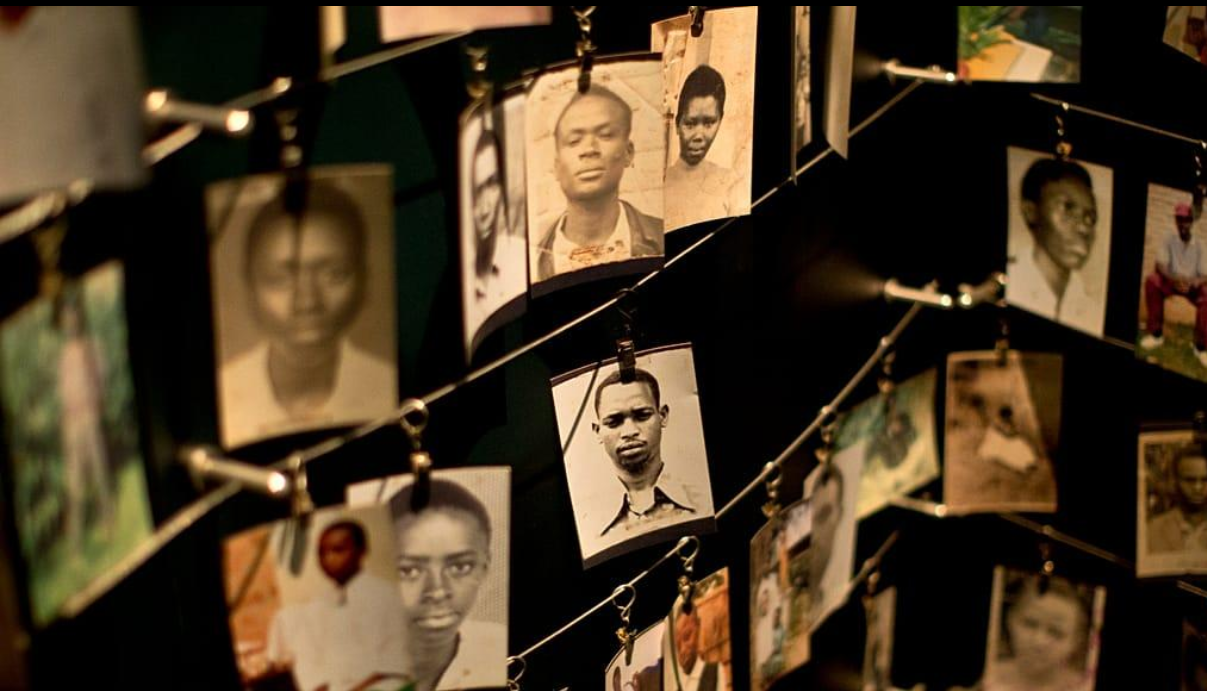
For over three decades, Jean Léonard Teganya evaded accountability for his alleged role in one of history’s darkest chapters. Now, the Rwandan justice system faces a defining test: can it deliver justice to survivors and families of the 1994 genocide against the Tutsi minority?
On November 9, 2026, Teganya, 55, was deported from the United States and flown to Kigali under heavy security. His return marks the latest milestone in Rwanda’s long-standing pursuit of those accused of genocide and crimes against humanity in the former Butare prefecture—today’s Huye District in southern Rwanda. Upon arrival, he was immediately handed over to Rwandan authorities and placed into police custody pending formal charges.
From medical student to fugitive: the making of a genocide suspect
At the time of the 1994 genocide, Teganya was a medical student at the former National University of Rwanda and completing an internship at the Butare Teaching Hospital (now CHUB). Prosecutors allege he used his position and affiliation with the ruling MRND party and the notorious Interahamwe militia to orchestrate attacks on Tutsi patients and refugees seeking shelter within the hospital grounds.
The accusations are severe. American prosecutors, in a 2019 immigration fraud trial, presented evidence linking Teganya to the MRND and Interahamwe, including testimony that he led armed groups to hunt down Tutsis—many of them patients—inside the hospital complex. Additional accounts implicated him in sexual violence and targeted killings during the 100-day massacre.
It must be emphasized: these accusations remain allegations until proven in a court of law. The Rwandan judicial system now holds the responsibility to examine the evidence, assess credibility, and determine Teganya’s individual involvement.
Decades on the run: how Teganya evaded justice across three continents
Teganya’s flight began in July 1994. After the fall of the genocidal regime, he fled through what is now the Democratic Republic of the Congo, spent time in Kenya and India, and eventually settled in Canada in 1999, where he applied for asylum.
His request was denied. Canadian authorities cited credible evidence linking him to atrocities committed in Butare. Despite this, he remained in Canada for years while appealing the decision. In August 2014, he illegally crossed into the United States from Canada and was arrested in Maine. He later applied for asylum again—but the U.S. government charged him with immigration fraud and perjury based on inconsistencies in his asylum claims.
In April 2019, a federal jury in Boston convicted him on two counts of immigration fraud and three counts of perjury. He was sentenced to 97 months in prison.
Important note: this conviction was solely for immigration-related offenses—not for genocide. That chapter now rests with Rwanda.
What happens next? The justice system’s pivotal moment
Teganya’s deportation is the eighth such case since 2007 in which the U.S. has transferred a genocide suspect to Rwanda. It reflects growing international cooperation in tracking down those accused of participating in the 1994 atrocities.
For victims’ families and survivors in Huye and across Rwanda, his repatriation is a symbol of hope. Many have waited a lifetime for closure. Others live with unresolved trauma, haunted by the knowledge that justice was delayed, not denied.
As Teganya awaits trial in Rwandan custody, the nation faces a critical question: can the justice system deliver a fair and transparent process—one that honors the memory of over 800,000 lives lost and upholds the rule of law without prejudice?
Key principles guiding the process
- Due process: Teganya is presumed innocent until proven guilty in a court of law.
- Victim-centered justice: Survivors must be heard, and their testimonies given weight in the proceedings.
- International standards: Rwanda’s judicial system must adhere to fair trial guarantees, including access to legal counsel and the right to appeal.
The world will be watching—especially those who survived the horror of Butare’s killings. For Rwanda, this trial is not just about one man. It’s about whether justice can truly outlive exile.