As Madagascar strengthens its military ties with Moscow, a critical question looms over Antananarivo: Should the island nation adopt Russia’s controversial security approach that has yielded mixed results in the Sahel? Washington’s latest warnings suggest there may be more at stake than just regional stability.
Why Washington is sounding the alarm over Madagascar-Russia defense cooperation
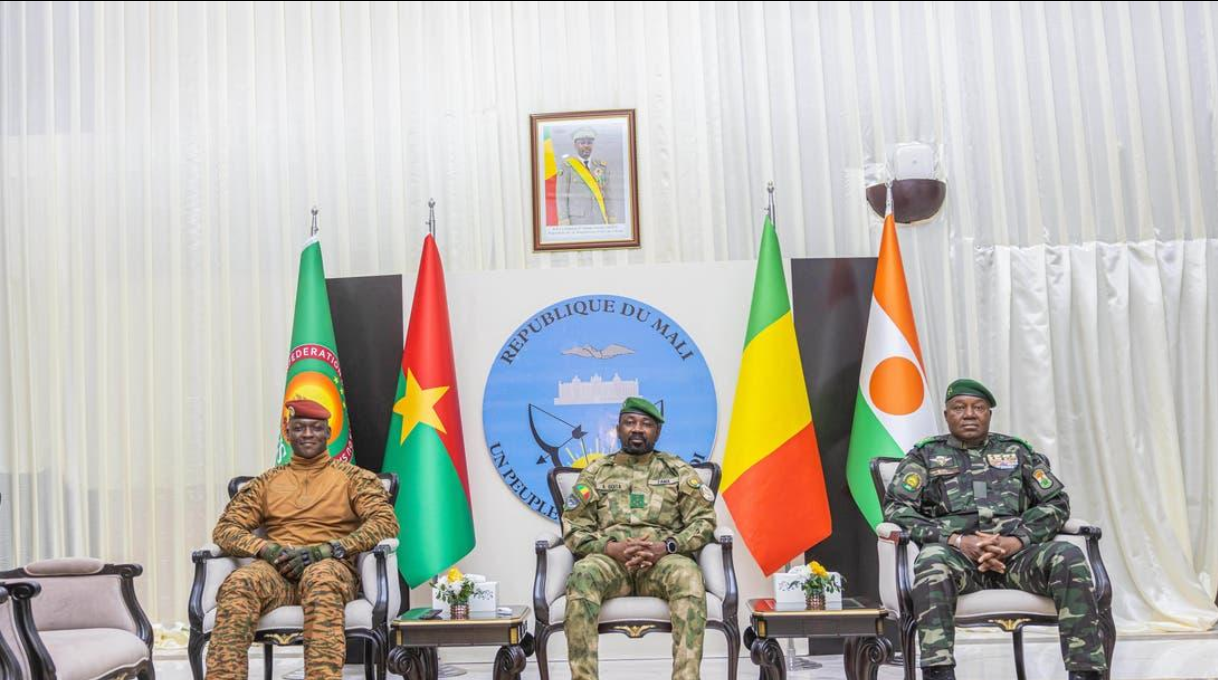
The United States has raised serious concerns about the deepening military partnership between Madagascar and Russia. At the heart of this warning lies a troubling precedent: the Russian security model implemented in the Sahel, which has struggled to sustainably curb jihadist violence in Mali, Burkina Faso, and Niger. American officials argue that replicating this model in other African regions could introduce new instability risks, particularly in strategically vital areas.
What does the « Russian security model » really entail in the Sahel?
Moscow’s approach in the Sahel revolves around rapid military support through structures like the Africa Corps, a Russian Defense Ministry initiative that has absorbed much of the Wagner Group’s former operations on the continent. While this presence has strengthened local military capacities, attacks by armed groups continue unabated in key regions. For Washington, this persistent insecurity highlights the limitations of Russia’s security framework—and raises doubts about its broader applicability.
Lieutenant-General John Brennan, Deputy Commander of U.S. Africa Command (AFRICOM), stressed this point during a November 2026 press briefing, stating that the Russian model has proven largely ineffective in addressing the root causes of instability. His concerns were voiced following a high-level visit to Madagascar and Mozambique, where he sought to underscore the potential consequences of embracing similar tactics.
Madagascar’s growing alignment with Moscow: A calculated shift or a strategic misstep?
Since Colonel Michaël Randrianirina’s rise to power in 2025, Madagascar’s relations with Russia have flourished. From military equipment deliveries—including drones and firearms—to joint training programs for Malagasy armed forces, the collaboration has expanded rapidly. A February 2026 visit by the Malagasy president to Moscow and subsequent defense and economic agreements signed at the Russia-Africa Summit in October 2026 have further cemented this partnership.
For Washington, these developments are not merely bilateral—they carry geopolitical weight. Madagascar’s strategic position in the Indian Ocean makes it a key player in maritime trade routes, energy flows, and global commerce. A misalignment with Western security frameworks, American officials argue, could inadvertently favor broader geopolitical rivalries.
The Indian Ocean’s hidden tensions: Why control over maritime routes matters
Beyond surface-level defense concerns, the stakes involve critical oceanic corridors. The Mozambique Channel, sandwiched between Madagascar and continental Africa, serves as a vital artery for international shipping, energy transport, and economic exchange. Any disruption here could ripple across global supply chains.
American military leaders also point to the growing presence of Islamic State-affiliated groups in northern Mozambique. Their evolving tactics—targeting commercial vessels and critical infrastructure—raise alarms over the potential destabilization of one of Africa’s most economically vital maritime zones. Washington views enhanced cooperation with Madagascar not just as a strategic choice but as a necessity to safeguard these routes.
Navigating great power competition: Can Madagascar balance its alliances?
Despite its criticisms, Washington has stopped short of imposing sanctions or coercive measures against Madagascar. Instead, the Biden administration appears to favor a strategy of persuasion, urging Antananarivo to carefully weigh the long-term implications of its security partnerships. The message is clear: while countries retain sovereignty over their military alliances, the risks of aligning too closely with Moscow’s Sahel model may outweigh the perceived benefits.
The core challenge for Madagascar now lies in balancing its historical ties with Russia, its national security needs, and its engagements with Western partners. The outcome of this delicate calculus will not only shape the island’s domestic stability but also influence the broader power dynamics in the Indian Ocean—a region where maritime dominance and economic resilience hang in the balance.