Why Interpol’s probe into Air Senegal reveals deeper structural vulnerabilities
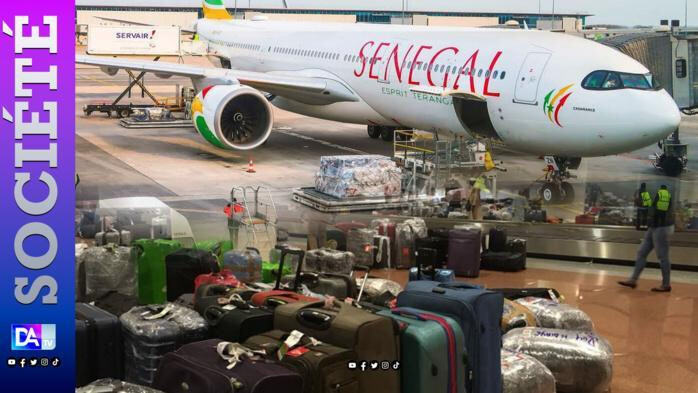
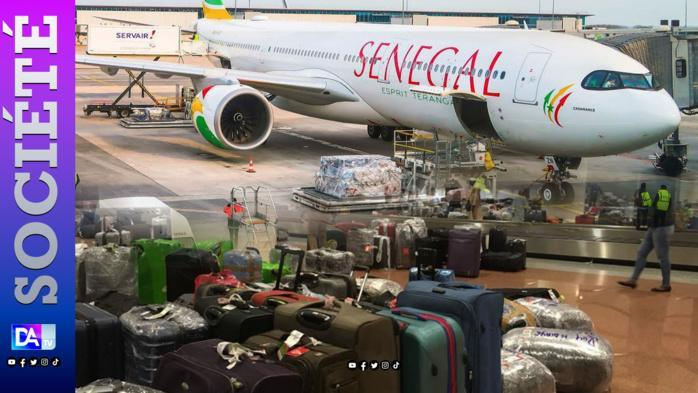
The case involving Air Senegal’s flight staff in a suspected smuggling network is not just about isolated incidents of misconduct. Instead, it exposes systemic weaknesses in supervision, training, and operational oversight that allow illicit activities to thrive behind seemingly routine flights. While passenger safety remains the immediate concern, the investigation raises critical questions about how such operations could persist without detection for so long.
The Paris milk crate incident: a tipping point uncovered
One flight between Paris and Dakar has become a focal point for investigators. A flight attendant, approached by a colleague, was asked to transport a crate of milk. Upon opening it for precautionary reasons, authorities discovered it contained hard drugs. The phone number provided for the handoff has since gone silent, cutting off a potential lead in the probe.
From routine baggage to suspected cargo
The container was treated like any other checked luggage, despite the attendant’s lack of specialized safety clearance. Investigators are now examining whether this case fits into a larger pattern, where employees were repeatedly exploited to move goods across borders—sometimes for cash, other times under coercion or professional pressure.
Hidden threads: the connections beyond the airline
Multiple sources within Air Senegal’s operations suggest that some staff were not acting alone. The company has confirmed external involvement, including coordination with a France-based company implicated in the scheme. Documents reviewed indicate that payments were made per suitcase transported, indicating a structured, if informal, commercial arrangement.
In an earlier case linked to flights from New York, thirteen crew members were flagged for similar violations. After brief suspensions, most returned to duty, raising concerns about institutional learning and corrective measures. Air Senegal maintains that no financial motive fully explains these actions—that deeper pressures may be at play.
The airline denies reducing the issue to simple greed, pointing to inadequate working conditions and insufficient safeguards as contributing factors. Yet, without clear oversight, such practices risk becoming normalized.
What the investigation uncovers: gaps in training and accountability
Interpol’s involvement signals a probe far beyond company discipline. Highlighted among the concerns is the absence of adequate safety certification for crew members handling sensitive cargo on the Dakar–Paris route. The lack of standardized training appears to have made it easier for unauthorized packages to enter the system unchallenged.
As the case unfolds, Air Senegal has placed affected staff on temporary leave, pending the outcome. Senior management asserts that final sanctions will only be determined once investigations conclude—yet the reputational damage and operational disruptions are already significant.
When duty of care fails: lessons for West African aviation
This scandal extends beyond a single airline or incident. It reflects broader vulnerabilities in regional air transport governance. If crew members can be unknowingly or unwillingly enrolled in smuggling networks, the entire aviation ecosystem—from training protocols to inter-agency cooperation—must be re-examined.
With drug trafficking syndicates adapting continuously, carriers across West Africa are being challenged to strengthen surveillance, implement stricter monitoring, and foster a culture of accountability. The Air Senegal case may serve as a turning point—not just for one airline, but for an entire industry facing growing scrutiny.