Angola and DRC forge a 30-year railway concession for the Dilolo-Sakania line
The Democratic Republic of Congo (DRC) and Angola have officially formalized a significant 30-year concession agreement for the vital Dilolo-Sakania railway line. This landmark deal encompasses the comprehensive rehabilitation, modernization, and extension of the railway infrastructure, alongside its operational management, connecting Dilolo in the DRC’s Lualaba province to Sakania in Haut-Katanga.
Project ownership and financial framework
Under the terms of this agreement, the Congolese state will maintain full ownership of the railway infrastructure. Furthermore, the DRC will retain a minimum of 10% equity in the project company established for this endeavor. Upon the conclusion of the three-decade concession period, all infrastructure assets are slated to revert entirely to the Congolese government.
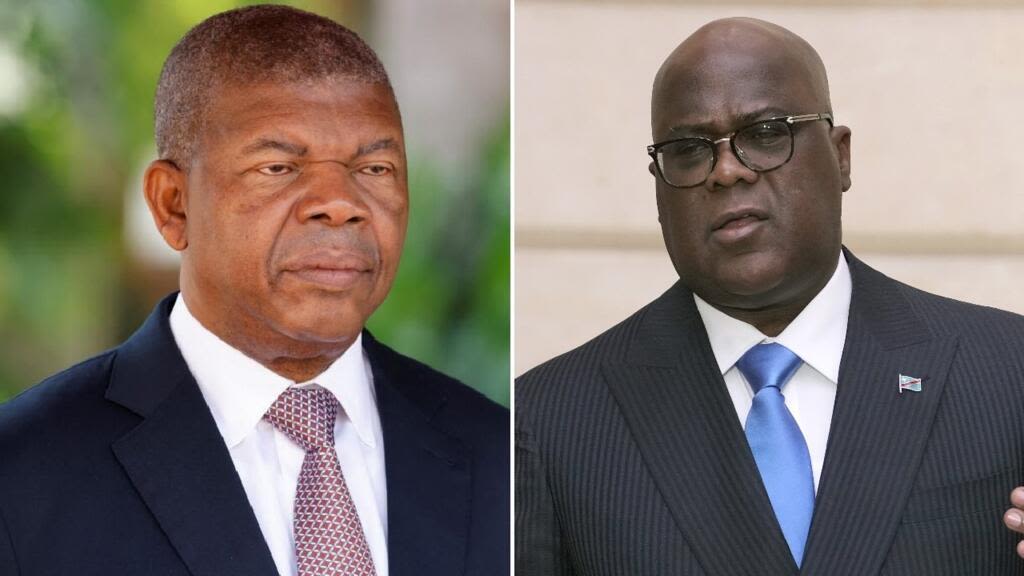
A key aspect of this concession is the full financial responsibility borne by the concessionaire. All funding requirements and risks associated with traffic volumes will be managed solely by the private entity, without any sovereign guarantees or operational subsidies from the DRC. Congolese President Félix Tshisekedi has underscored the anticipated national economic benefits, including significant job creation, specialized training for young people, increased engagement with local businesses, and crucial technology transfer initiatives.
Boosting regional trade and connectivity
This strategic railway corridor is designed to facilitate the transportation of a diverse range of goods. Beyond its primary role in moving minerals, the line will also be instrumental in shipping agricultural products, industrial inputs, hydrocarbons, containers, and consumer goods, in addition to serving passenger traffic. The governments in Kinshasa and Luanda are also committed to standardizing their respective railway operations, harmonizing tariffs, and streamlining customs procedures to ensure seamless cross-border movement.
Integrated infrastructure development
The Dilolo-Sakania railway project, with an estimated cost of 1.2 billion, is part of a broader infrastructure development plan. This includes the concurrent construction of new cross-border roads, the establishment of modern logistics platforms, and the enhancement of energy infrastructure. Both nations are also focused on revitalizing their cooperation in the hydrocarbon sector and accelerating electrical interconnection projects, particularly to bolster power supply to the resource-rich Katanga region.