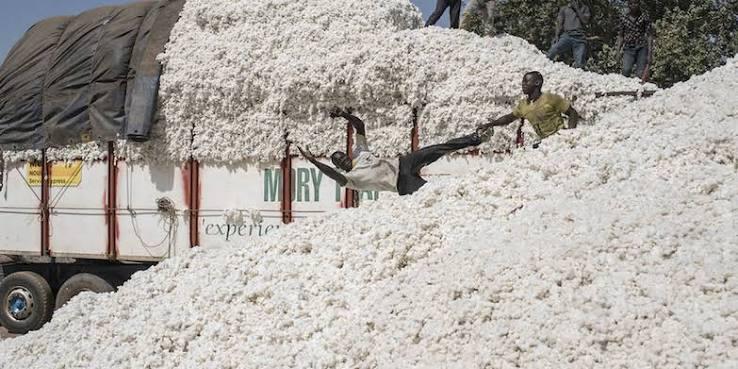
Benin’s cotton sector faces a defining challenge as the 2026–2027 growing season approaches. The government’s ambitious intervention aims to reverse years of stagnant output by blending advanced farming methods with instant agronomic guidance, accelerating progress toward the Bénin Vert 2033 sustainability vision.
High-impact pilot zones chosen for cutting-edge cotton cultivation trials
The initiative prioritizes three key agricultural regions within Benin’s territorial development clusters (poles 2, 3, and 4). Rather than relying on generic guidelines, this effort deploys trained specialists directly into farming communities. Their mission: guiding growers in adopting precise planting schedules, optimizing fertilizer use, and coordinating labor for peak productivity.
On-field mentorship bridges the gap between research and real-world farming
Farmers in the program receive hands-on support at every stage—from seedbed setup to harvest scheduling. These advisors ensure each step adheres to soil health best practices and aligns with regional climate patterns. The overarching aim? Translating academic farming theories into measurable yield improvements per hectare.
Real-time digital tracking revolutionizes Benin’s cotton supply management
A custom-built digital system now monitors every pilot plot from sowing to processing. It logs input deliveries, field resource use, and final seed cotton quantities, linking farming choices to tangible production results. Data collection also spans ginning facilities, providing policymakers with insights into which techniques yield dividends and where refinements are needed.
Six-month pilot phase to decide on nationwide adoption
Approved by ministers in late 2026, the trial runs for six months. If results prove favorable, the model could expand across Benin’s cotton belt—and potentially serve as a blueprint for other vital crops linked to food security and export revenues.
Sustainable farming meets social resilience in Benin’s cotton revival
Aligned with the Bénin Vert 2033 roadmap, this program balances productivity with ecological and social responsibility. Post-harvest safety nets will protect smallholder earnings during market downturns, while upgraded transport links shorten transit times between fields and processing plants, minimizing spoilage and waste.
Efficient logistics resolve critical delays in the cotton value chain
Persistent bottlenecks between harvest, transport, and ginning often erode farmer profits. The pilot introduces synchronized coordination to expedite crop movement, enhance delivery reliability, and cut post-harvest losses—bolstering the financial case for sustainable intensification.
Mid-2027 evaluation: defining success for Benin’s cotton future
Government targets are clear: prove that integrated farming mentorship, digital oversight, and logistical streamlining can deliver sustained production growth. A successful trial could position Benin as a regional leader in cotton productivity, offering a replicable model for West African growers facing similar challenges.