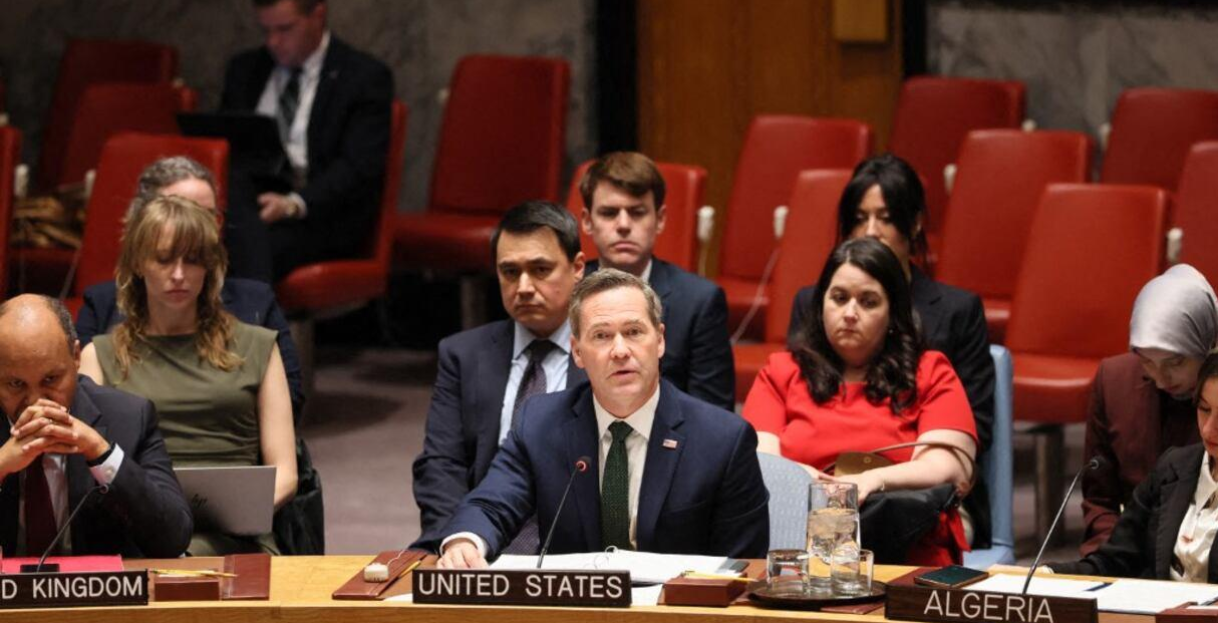
The United Nations Security Council witnessed a high-stakes diplomatic showdown on October 30, 2026, as deep divisions over the future of Western Sahara reached a critical juncture. With no clear path forward, the Council’s failure to adopt either an American-backed plan or a Russian counterproposal has left the MINURSO mission’s mandate in limbo—and the fate of Western Sahara hanging in the balance.
Why did the russian veto derail the american-backed resolution?
The American proposal sought to overhaul the United Nations mission in Western Sahara by centering negotiations on Morocco’s autonomy plan under its sovereignty. It also proposed renaming the mission and gradually shifting from a peacekeeping role to a political mission. While eleven Council members supported the text, the Russian veto—exercised as a permanent member—blocked its adoption, despite widespread backing.
Key objections from Moscow included:
- A perceived disregard for the right to self-determination for the Sahrawi people.
- Concerns that the proposal unfairly predetermines the outcome of negotiations.
- Opposition to altering the mission’s historical framework without consensus.
Russia’s alternative proposal fails to gain traction
In response, Russia put forward a far more conservative plan: a simple one-year extension of MINURSO’s existing mandate without structural changes. The proposal aimed to avoid a sudden withdrawal of the UN mission but secured only three votes—Russia, China, and Somalia—falling short of the required nine.
Critically, the United States voted against the Russian text, while eleven members abstained. The rejection underscored Washington’s unwillingness to maintain the mission in its current form, leaving both superpowers at an impasse.
Self-determination at the heart of the dispute
The conflict over Western Sahara hinges on a fundamental question: Who decides the territory’s future? The Polisario Front insists on a referendum allowing the Sahrawi people to choose between independence, integration with Morocco, or another status. Morocco, however, champions its autonomy proposal as the sole viable solution under its sovereignty.
The MINURSO mission, established in 1991 to organize such a referendum, has never fulfilled this mandate due to ongoing disputes over voter eligibility and political will. Both the American and Russian proposals sidestepped the referendum issue, fueling accusations of biased maneuvering.
What’s next for the MINURSO mission?
With the October 31, 2026, deadline for MINURSO’s mandate expired and no replacement resolution adopted, the mission’s future remains uncertain. The Council’s inability to find common ground risks creating a dangerous vacuum, leaving Western Sahara without international oversight at a pivotal moment.
For the Sahrawi people, the stakes could not be higher. Without a credible political process, the prospect of a negotiated settlement—one that respects their right to self-determination—grows increasingly distant. Meanwhile, the diplomatic standoff between global powers continues to overshadow the urgent needs of those most affected by this unresolved conflict.
Will the Security Council ever bridge the divide?
The October 30 session was a stark reminder of the Security Council’s limitations when permanent members’ interests clash. Neither the American nor Russian proposals gained sufficient support, leaving the Council paralyzed and the people of Western Sahara without answers.
Yet the question remains: Can the international community find a compromise that balances sovereignty claims, self-determination, and regional stability—or will the deadlock persist, leaving the Sahrawi people to navigate an uncertain future without a clear path forward?