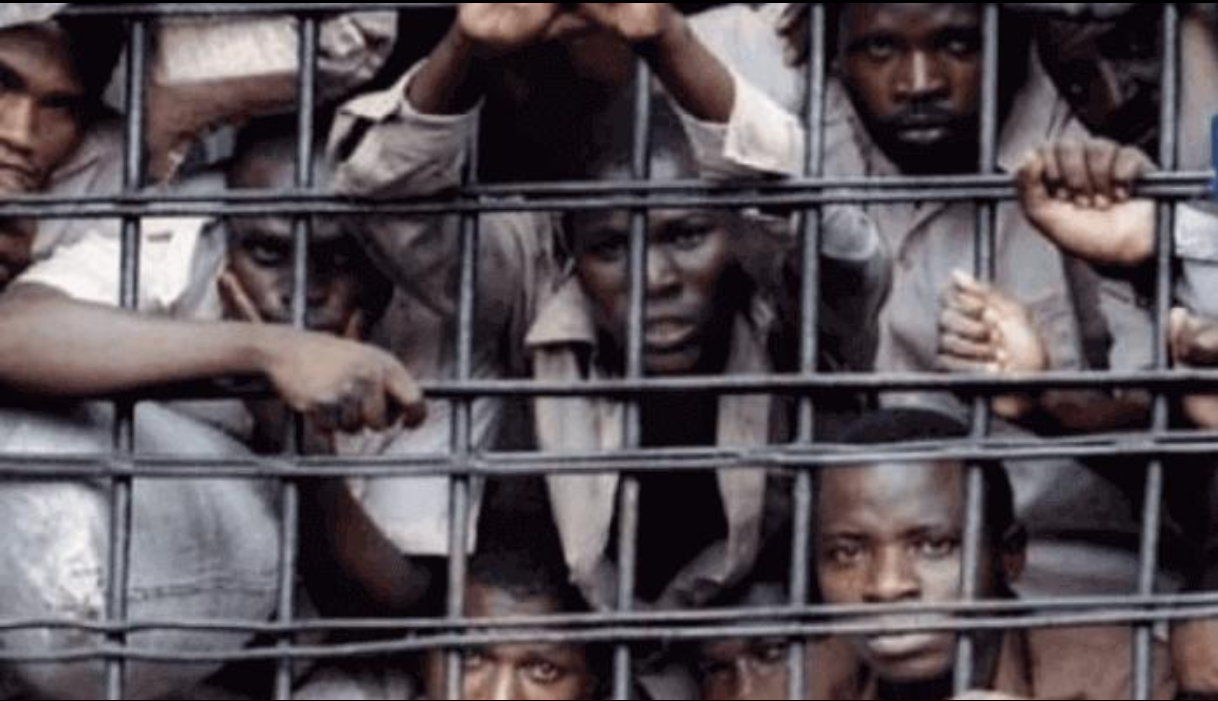
When a 12-square-metre cell becomes a death trap for nearly 50 human beings, one question demands urgent answers: how could a nation’s justice system allow such a catastrophe to unfold? In Minna, the capital of Nigeria’s Niger State, 33 detainees—including 14 children—perished in a single night, revealing a systemic failure that extends far beyond one agency’s walls.
What happened in Minna’s overcrowded detention unit
A preliminary investigation confirmed that the tragedy occurred between the night of September 16 and the morning of September 17, 2026, at a facility operated by the Nigeria Security and Civil Defence Corps (NSCDC). Survivors described a suffocating environment where breathable air was scarce, water undrinkable, and dignity nonexistent. Medical examinations later revealed that many victims had resorted to extreme measures to stay alive, including drinking their own bodily fluids after hours without aid.
Among the 33 fatalities, 14 were minors—locked in a cell designed for far fewer occupants. Official records indicate 41 survivors were evacuated, their testimonies painting a picture of neglect that spanned both hours of detention and possibly weeks of inadequate conditions beforehand.
A crisis rooted in systemic neglect
An independent inquiry released on October 27, 2025, attributed the deaths to a toxic blend of factors: extreme overcrowding, life-threatening heat, absence of ventilation, failed plumbing, and delayed emergency response. Investigators emphasized that the tragedy was not an unforeseeable accident but a foreseeable outcome of chronic systemic neglect.
The commission’s findings highlighted that many detainees had been held without due process, some for months, awaiting trials that never materialized. Others had been arrested arbitrarily and detained in violation of constitutional protections for minors. These irregularities suggest a detention culture where legality and humanity are often secondary to expediency.
Who bears responsibility?
While the federal government acknowledged the final death toll of 33, it stopped short of naming specific individuals responsible. However, the inquiry recommended punitive measures against officers found negligent, legal proceedings for those implicated in violations of due process, and financial compensation for victims’ families. To date, no public sanctions have been announced, leaving many to question whether accountability will match the scale of the tragedy.
How african prisons became death traps
The Minna tragedy is not an isolated incident. According to the 2025 edition of the Prison Matters report by the United Nations Office on Drugs and Crime, over 90% of African countries with available data operate prisons at or above capacity—with more than 60% of nations globally facing similar overcrowding. In Africa, 37% of inmates in 2023 were awaiting trial, often for months or years in facilities unfit for human habitation.
Key drivers of this crisis include:
- judicial delays: understaffed courts, backlogged dockets, and limited legal aid
- preventive detention abuses: excessive use of remand custody for non-violent offenses
- infrastructure decay: dilapidated buildings, broken utilities, and poor sanitation
- lack of alternatives: minimal access to diversion programs for minor infractions
Children housed alongside adults, detainees denied legal counsel, and inmates forced to sleep in shifts—these are not isolated incidents but symptoms of a broader failure to uphold human dignity within the justice system.
Can africa reform its prisons before more lives are lost?
Prisons exist to uphold, not undermine, the right to life. Yet across the continent, detention facilities increasingly resemble warehouses of suffering where the presumption of innocence is eclipsed by neglect. The UN Mandela Rules explicitly prohibit such conditions, yet their implementation remains uneven.
Experts call for a multi-pronged approach that goes beyond new construction:
- judicial acceleration: fast-tracking case processing, especially for pre-trial detainees
- legal empowerment: expanding public defender networks and pro bono access
- alternative measures: adopting community service, electronic monitoring, or bail reform for minor offenses
- infrastructure upgrades: retrofitting existing prisons with water, sanitation, and climate control
- staff training: emphasizing human rights, mental health, and emergency response
- independent oversight: establishing regular inspections by civilian bodies
The question now facing Nigerian and African leaders is not whether reform is needed, but whether it will come before another avoidable tragedy unfolds. Can a justice system that fails to protect the incarcerated truly claim to serve justice at all? The answer will define the continent’s moral standing in the decades ahead.