Launching a decade-long vision for economic transformation
The Sofitel Cotonou Marina Hotel & Spa played host on Friday, July 17, 2026 to a landmark event: the official rollout of the Country Partnership Framework (CPF) 2026-2036. Signed between the Government of Bénin and the World Bank Group, this strategic agreement outlines a transformative 10-year roadmap centered on three pillars — human capital, productive infrastructure, and youth employment. Aligned with Bénin’s long-term vision Alafia Bénin 2060, the framework signals a new era in national development, promising sweeping changes to the country’s socio-economic landscape.
Anchoring growth in stability and shared ambition
The atmosphere at the Sofitel was one of quiet confidence and collective resolve. Government officials, international diplomats, senior representatives of global institutions, and private sector leaders gathered to witness the birth of a partnership designed not as an incremental update, but as a comprehensive reinvention of how the World Bank will support Bénin’s development over the next decade. This moment comes at a pivotal juncture in the nation’s political and economic journey, as authorities seek to consolidate macroeconomic gains while accelerating inclusive growth.
The presence of Anna Bjerde, Managing Director of Operations at the World Bank Group, underscored the international community’s renewed confidence in Bénin’s structural reform agenda. Her participation reflected a broader recognition of the country’s progress in governance, economic stability, and policy coherence — all prerequisites for unlocking long-term financing and expertise.
From growth to resilience: redefining economic success
In the current global context, economic success for Bénin cannot be measured solely by GDP growth. The CPF 2026-2036 shifts the focus toward structural transformation: building a more competitive, resilient, and inclusive economy. By securing a decade of predictable financing, the World Bank enables Bénin to launch large-scale infrastructure projects without compromising fiscal balance. This infusion of capital and technical expertise is engineered to unlock private investment — both domestic and foreign — fostering a self-sustaining cycle of development.
Three pillars for systemic change
To ensure maximum impact, the partnership focuses on three interconnected priorities:
- Human capital development: A healthy, skilled population is the backbone of economic progress. The framework targets malnutrition, public health, and the overhaul of vocational training systems to align education with labor market demands. The goal is to create a workforce ready to meet the needs of a modernizing economy.
- Productive infrastructure expansion: Weak infrastructure remains a major barrier to business competitiveness. Investments will flow into energy, digital connectivity, and transport networks, with a focus on linking agricultural production zones to urban centers and the Port of Cotonou. These improvements aim to cut logistics costs, boost exports, and integrate rural economies into national value chains.
- Private sector-led transformation: Small and medium enterprises (SMEs), especially those led by youth and women, are positioned as engines of job creation. The CPF supports reforms to improve the business climate, expand access to finance, and promote entrepreneurship, ensuring that growth translates into tangible opportunities for all citizens.
Youth employment: the defining challenge of the decade
With more than half of its population under 25, Bénin faces a demographic dividend that could either drive progress or deepen instability. The CPF places youth employment at the heart of its strategy, recognizing it as both a social imperative and an economic opportunity.
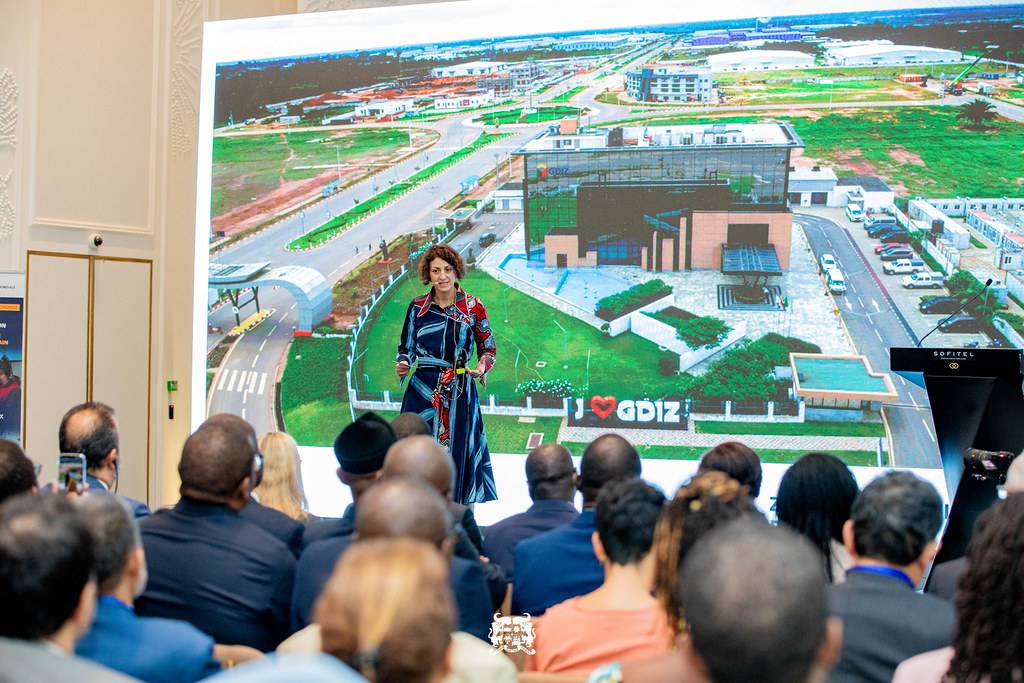
Aristide Medenou, Minister of Economy, Finance, and Cooperation, emphasized during the launch that this framework must act as a catalyst for opportunity. Special attention will be given to high-value agricultural value chains and agro-industry — sectors capable of absorbing young workers and slowing rural-to-urban migration. By linking World Bank technical assistance to national industrialization priorities — particularly in the Glo-Djigbé Industrial Zone — the partnership ensures that new jobs are sustainable and rooted in real economic activity.
Building resilience across the nation
Sustainable growth cannot thrive on fragile foundations. The CPF embeds resilience and cohesion into every project. While urban centers in southern Bénin will benefit from targeted investments, a significant portion of funding will flow to northern and peripheral regions. This balanced approach seeks to reduce regional disparities by bringing essential services — clean water, electricity, rural roads — and economic opportunities closer to communities that have long been marginalized. The strategy aims to address root causes of vulnerability and strengthen national stability.
A global endorsement of Bénin’s reform path
Anna Bjerde commended Bénin’s strategic leadership, highlighting the vision of the President and his administration. She described the CPF launch as a timely opportunity to translate macroeconomic principles into tangible benefits for “entrepreneurs, farmers, and families across Bénin.” Her endorsement reinforces Bénin’s reputation as a reform leader within the Bretton Woods institutions and signals the World Bank’s commitment as a long-term partner, adaptable to evolving local realities.
Is Bénin on the path to emergence by 2036?
The Country Partnership Framework 2026-2036 charts a bold course toward deep systemic change. By simultaneously investing in people, infrastructure, and private enterprise, Bénin and the World Bank are deploying a holistic economic recovery strategy. Success will hinge on rigorous implementation, transparent governance, and the ability of public and private institutions to absorb and deploy investments effectively.
If the commitments made in Cotonou are translated into real impact in towns and villages nationwide, Bénin could emerge as a model of inclusive economic transformation — one that the wider West Africa region desperately needs. The next ten years will determine whether this vision becomes reality. The countdown has begun.