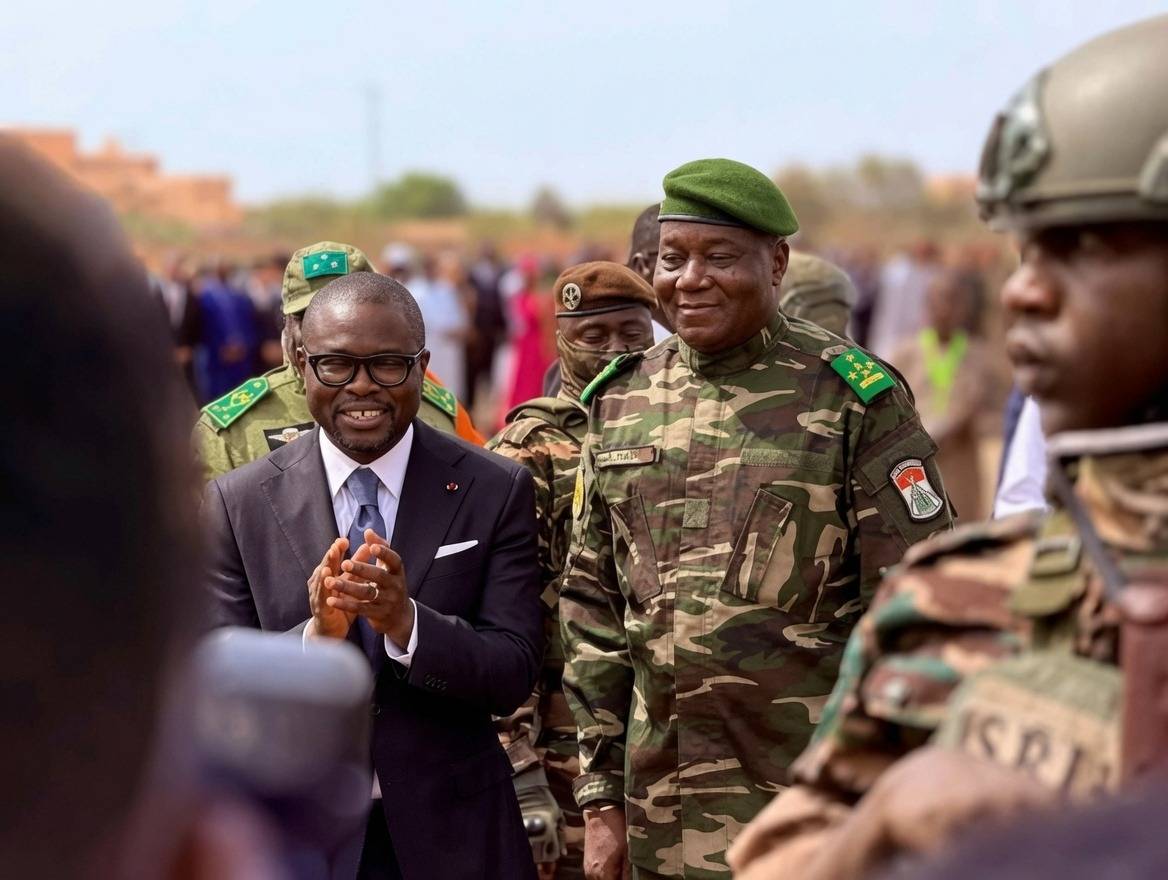
The Cotonou-Niamey axis has endured a profound crisis since the July 2023 coup d’état in Niger and the subsequent imposition of stringent regional sanctions. This period was marked by tightly sealed borders and a barrage of accusations from Niamey. However, a closer look at the unfolding events reveals a more intricate picture: despite the firm stance of the Alliance of Sahel States (AES), Bénin consistently pursued avenues for reconciliation. The recent official visit by Béninois President Romuald Wadagni to Niamey stands as a testament to this persistent diplomacy of engagement and an unequivocal demonstration of Cotonou’s sincere intentions. This offers a unique Sahel analysis English perspective on the unfolding events.
Consistent efforts towards de-escalation amidst persistent obstacles
- Early lifting of economic restrictions: In a decisive move towards the end of 2023, Bénin unilaterally lifted its suspensions on goods transiting to Niger through the vital autonomous port of Cotonou. Cotonou aimed to reactivate Niger’s primary economic artery, yet these efforts were met with Niamey’s continued insistence on keeping the border closed, citing “security reasons.”
- Proactive emissary diplomacy: As the situation stagnated, Béninois authorities actively fostered and facilitated high-level mediation efforts. The initiatives undertaken in Niamey by former Béninois Presidents Nicéphore Soglo and Thomas Boni Yayi in the summer of 2024 underscored Cotonou’s unwavering commitment to re-establishing dialogue, transcending political divides.
- Safeguarding shared interests: Despite significant tensions surrounding the WAPCO Niger-Bénin crude oil export pipeline terminal, Bénin consistently prioritized the preservation of this critical infrastructure. This pragmatic approach prevented an irreversible breakdown and maintained the sole technical lifeline connecting the two nations.
Romuald Wadagni’s ascension: seizing the opportunity for a fresh start
The election and subsequent investiture of Romuald Wadagni as Bénin’s President in May 2026 heralded a significant window of opportunity for improved Bénin Niger relations. A highly respected technocrat and former Minister of Finance, the new head of state brings invaluable political neutrality, notably unassociated with the more polarizing decisions made during the post-2023 coup period.
The initial robust signal emerged from Niamey, when Nigerien Prime Minister Ali Mahamane Lamine Zeine traveled to Cotonou to attend President Wadagni’s investiture, effectively breaking a prolonged period of diplomatic isolation.
The ultimate pledge of good faith
By dedicating one of his very first official trips to Niamey, Romuald Wadagni delivered the “pledge of goodwill” that the Alliance of Sahel States (AES) regimes had consistently demanded. This presidential visit powerfully illustrates Bénin’s commitment to prioritizing regional reconciliation. Engaging directly with General Abdourahamane Tiani and Captain Ibrahim Traoré, President Wadagni unequivocally demonstrated his government’s readiness for open, pragmatic, and unreserved dialogue, a key development in West Africa insider news.
Interdependencies necessitating pragmatic cooperation
- Security imperative: Armed violence across the shared transborder zone, encompassing the W-Arly-Pendjari complex, surged by nearly 86% between 2024 and 2025. Neither nation can effectively counter the jihadist threat in isolation. Re-establishing bilateral military cooperation is now a matter of survival for communities residing along these borders.
- Economic strain: Niger critically relies on the Béninois corridor to mitigate living costs and ensure stable supply chains. Simultaneously, Bénin seeks to boost revenues generated by its autonomous Port of Cotonou.
By venturing into the heart of the AES, Romuald Wadagni decisively closes the chapter of past misunderstandings. Bénin unequivocally signals its respect for the sovereignty of its neighbors and its full commitment to the shared stability and prosperity of the sub-region. The onus now rests with Niamey to translate this diplomatic breakthrough into a complete reopening of the borders, a crucial step for Sahel regional stability. This reflects deep Sahel politics and regional dynamics.