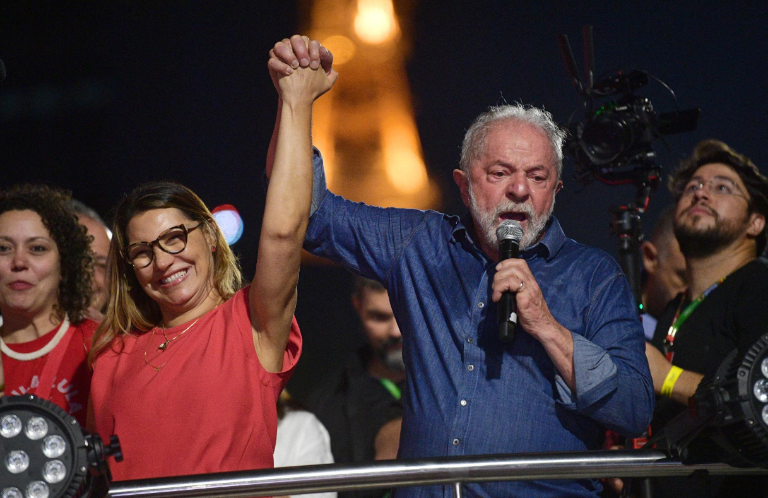
Can Lula’s re-election survive Flávio Bolsonaro’s judicial challenge?
Brazil woke on Monday to a sharply divided political landscape after Luiz Inácio Lula da Silva secured a fourth presidential term on Sunday. Yet the margins of victory—51.79 % to 48.21 %—have done little to calm tensions. Flávio Bolsonaro, the defeated right-wing challenger, has vowed to challenge the result in court, alleging the vote fell short of fairness and demanding the entire election be annulled.
The numbers that matter
According to the official tally released by Brazil’s Superior Electoral Court, Lula gathered 64,256,232 valid votes, while Flávio Bolsonaro earned 59,826,041. The gap exceeds 4.4 million ballots. Despite the clear numeric deficit, Flávio Bolsonaro insists the election process was compromised and refuses to concede.
How a late voting extension became the flashpoint
The controversy centers on a last-minute decision by Supreme Court Justice Cristiano Zanin to extend voting until 7 p.m. Brasília time on election day. The move affected voters still in line when the original 5 p.m. deadline arrived, especially in parts of Bahia and São Paulo where logistical hurdles delayed many.
The Bolsonaro campaign claims the extension violated electoral equality and created an uneven playing field. ‘Under these conditions, a credible result cannot stand,’ Flávio Bolsonaro declared to reporters, pledging to file an immediate appeal. His legal team argues the Court’s intervention changed the rules mid-stream.
A twist in the tale: both sides asked for extra time
What complicates the narrative is that both campaigns had separately requested extensions earlier. Flávio Bolsonaro’s team had cited heavy rains in the south that impeded turnout, while Lula’s allies sought adjustments to ease bottlenecks in urban precincts. Critics question why a single, centrally ordered extension was singled out when parallel pleas existed.
What a divided Brazil means for Lula’s next mandate
Lula’s re-election is unprecedented: at 80, he becomes the first Brazilian president to serve four terms. His victory caps a dramatic reversal from the first-round outcome, when Flávio Bolsonaro edged ahead. Over the final two weeks, Lula rallied support by emphasizing anti-poverty programs and social equity, themes that resonated in low-income neighborhoods from Rio’s favelas to the sertão of the Northeast.
Yet nearly half the electorate backed a conservative platform anchored in traditional values, law-and-order rhetoric, and a more market-driven economy. That bloc looks set to dominate Congress, potentially clipping Lula’s ability to push sweeping reforms.
The legitimacy question
The refusal to accept defeat raises fresh doubts about institutional trust. Flávio Bolsonaro comes from a political dynasty already under scrutiny: his father, former President Jair Bolsonaro, faces multiple convictions, including a 27-year sentence for his role in last year’s coup attempt. The specter of authoritarian backsliding looms as the legal challenge unfolds.
What happens now on the legal front?
The Superior Electoral Court must rule on Flávio Bolsonaro’s petition within the constitutional 48-hour window. Should the challenge fail—as most legal experts predict—Lula’s victory will be formally ratified. A drawn-out process could, however, deepen political fatigue and erode social cohesion.
Lula struck a unifying tone in his first address, insisting he would govern for all Brazilians regardless of who voted for him. Yet the margin of victory is narrow enough to embolden opponents to continue contesting policy choices on Capitol Hill and beyond.
Beyond the ballot box: the real test for Brazil’s democracy
The coming weeks will reveal whether Brazil can channel its sharp ideological divide into constructive governance or slide toward protracted institutional friction. One fact remains undisputed: Lula secured more votes. How he and his adversaries manage the fallout may define the country’s democratic resilience for years to come.