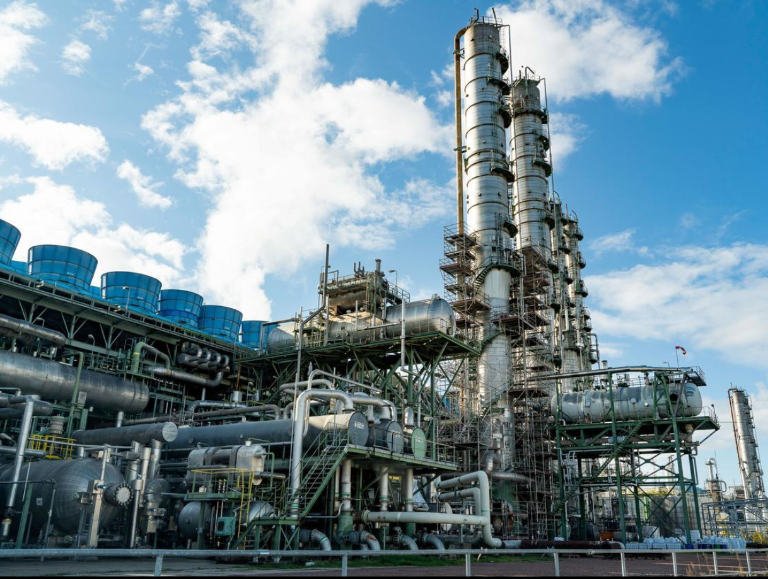
Partnering for a regional fertilizer revolution
In a bold move to reshape West Africa’s economic landscape, the West African Economic and Monetary Union (WAEMU) has unveiled a landmark industrial initiative. With a planned investment of 1,452.5 billion CFA francs between 2026 and 2030, the region is betting big on transforming its phosphate reserves into high-value fertilizer products. At the heart of this strategy lies Togo, a country whose phosphate deposits present a unique opportunity to reduce reliance on costly imports and catalyze industrial growth across the subregion.
Why a regional approach to phosphate processing matters
While individual countries in West Africa hold significant phosphate reserves, the challenge has always been capitalizing on these resources. The WAEMU’s initiative seeks to break that pattern by creating an integrated, cross-border value chain. The goal is clear: move beyond raw mineral exports and build a self-sufficient fertilizer industry capable of meeting regional agricultural needs while boosting local economies.
This is not just a plan led by a single nation. It is a collective strategy designed to align the efforts of multiple countries, leveraging Togo’s mineral wealth alongside regional infrastructure and markets. The project is aligned with WAEMU’s IMPACT 2030 strategic plan, signaling a long-term commitment to industrial transformation and agribusiness development.
Togo’s phosphate potential: more than just rock
Togo has long been a key player in phosphate mining, with decades of production and export experience. But the new vision goes further—it aims to harness this raw material by establishing a downstream industrial hub that turns phosphate into processed fertilizers. This shift could unlock significant economic benefits: job creation, technology transfer, stronger supply chains, and deeper value retention within the national economy.
For local farmers, the rewards could be equally transformative. By producing fertilizers tailored to West African soils and climate conditions, the region could break free from dependence on volatile global markets. Customized formulations would not only lower costs but also improve soil health and crop productivity—critical factors for food security and agricultural resilience.
The missing pieces: infrastructure, energy, and investment
Yet transforming Togo’s phosphate potential into real industrial muscle requires more than just ambition. Success depends on overcoming key hurdles: securing high-capacity energy sources, building robust transport and logistics networks, and attracting private capital. The WAEMU program has set ambitious financial targets—1,452.5 billion CFA francs in total investment—but the model relies heavily on private sector participation, with private investors expected to fund the majority (1,191 billion CFA francs), while WAEMU member states contribute 239.5 billion CFA francs.
This funding structure places Togo at a pivotal moment. The nation must not only finalize agreements with industrial partners but also design policies that safeguard investments, streamline project approvals, and ensure long-term sustainability. Clear timelines, defined roles, and transparent financing mechanisms will be essential to convert strategy into action.
Can West Africa break free from fertilizer imports?
Despite abundant phosphate reserves, many West African countries currently import a large share of their fertilizers. This dependence leaves agricultural sectors vulnerable to price shocks, supply disruptions, and foreign exchange volatility. The WAEMU initiative proposes a solution: building regional fertilizer production capacity close to major farming zones, integrating mining, processing, and distribution under one coordinated framework.
The proposed industrial clusters—including Togo’s upcoming hub—are meant to complement smaller blending units scattered near agricultural centers. Together, these facilities could deliver a steady supply of affordable, region-specific fertilizers, stabilizing costs for farmers and reducing the economic drag of foreign purchases. The ripple effects could extend far beyond agriculture: stronger local industries, reduced trade deficits, and greater control over food and economic sovereignty.
From vision to action: what comes next for Togo and WAEMU
The road ahead is complex. The project’s success hinges on more than financial commitments—it demands coordination across borders, alignment between public and private actors, and relentless execution. For Togo, the immediate task is to define its role within this broader ecosystem: securing sites, negotiating with investors, and aligning national strategies with WAEMU objectives.
As the 2030 timeline approaches, every step will matter. Will the region be able to turn its phosphate assets into engines of industrialization? Can national policies and regional cooperation converge to make these factories a reality? The answers will determine whether West Africa can finally move from mineral wealth to industrial strength—and whether Togo becomes the catalyst for a fertilizer revolution.