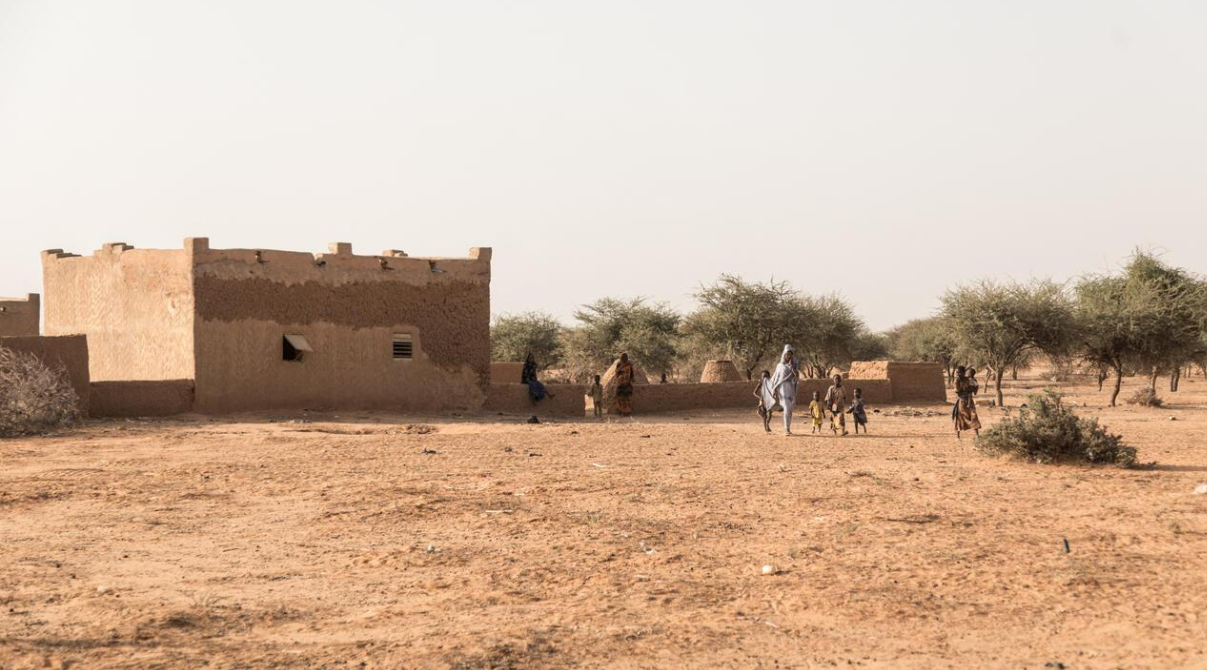
The tragic discovery at Tagadayat: A security system stretched to the breaking point?
In a stark reminder of the fragility of civilian life in northern Mali, authorities have confirmed the discovery of 54 bodies in the village of Tagadayat, just 35 kilometers southeast of Ménaka. The victims, reportedly civilians, were found following a series of attacks attributed to jihadist fighters, raising urgent questions about the Malian government’s ability to protect its people in the face of relentless armed violence.
The tragedy in Tagadayat is not an isolated incident but the latest in a pattern of attacks that have plagued the region for years. As the death toll rises, the international community and local populations alike are questioning whether the state’s security apparatus can still assert control over territories increasingly dominated by armed groups.
Why Tagadayat symbolizes Mali’s security crisis
Northern Mali has been a hotspot for violence, with remote villages like Tagadayat bearing the brunt of the chaos. The discovery of 54 bodies underscores a harsh reality: civilians in these areas are far from safe, despite repeated military operations. The distance from major urban centers, combined with limited access and logistical challenges, often leaves local populations without timely protection or the means to escape attacks.
The situation in Tagadayat highlights three critical failures:
- Delayed response: How did attackers manage to inflict such a high toll before security forces intervened?
- Lack of intelligence: Were authorities aware of impending threats but unable to act?
- Inadequate protection: What measures were in place to safeguard this vulnerable community?
While the answers remain unclear, the questions themselves paint a troubling picture of a state struggling to fulfill its most basic duty: protecting its citizens.
Beyond military operations: The limits of force in securing civilians
The Malian government has invested heavily in military campaigns to reclaim territory from armed groups. Yet, the recurring violence in villages like Tagadayat suggests that force alone is insufficient. Civilians continue to face targeted attacks, displacement, and economic ruin—outcomes that erode trust in the state’s ability to deliver security.
Effective security requires more than just boots on the ground. It demands:
- Early warning systems: Robust intelligence networks to detect and prevent attacks before they occur.
- Local engagement: Partnerships with communities to identify risks and coordinate responses.
- Humanitarian access: Ensuring aid reaches affected populations without obstruction.
- Accountability: Transparent investigations into attacks and proper legal proceedings for perpetrators.
Without these elements, military operations risk becoming mere reactive measures rather than sustainable solutions.
The broader implications for Mali’s security strategy
The crisis in Tagadayat is not just a tragedy—it’s a test of Mali’s resolve to restore peace. The state’s ability to protect civilians in the north hinges on two key factors:
1. Reinforcing territorial control: Beyond flashy military operations, authorities must establish a consistent presence in vulnerable areas. This means patrols, checkpoints, and rapid-response units capable of deterring attacks before they escalate.
2. Addressing root causes: Armed group violence often thrives in environments of neglect and poverty. Providing economic opportunities, essential services, and governance to remote communities could weaken support for extremist factions.
If Mali fails to rise to this challenge, the consequences will extend far beyond Tagadayat. Displacement, economic stagnation, and social fragmentation will continue to destabilize the region, making recovery an ever-more distant prospect.
What’s next for Mali’s security future?
The discovery of 54 bodies in Tagadayat is a wake-up call. While it may not signal a complete loss of state control across Mali, it reveals a dangerous gap in the government’s security framework. Restoring confidence among civilians—and deterring future attacks—will require a multi-faceted approach that prioritizes prevention, transparency, and long-term stability.
The people of northern Mali deserve more than empty promises. They need action—real protection, real accountability, and a commitment to ending the cycle of violence once and for all.