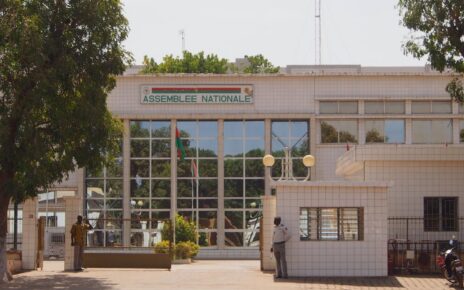
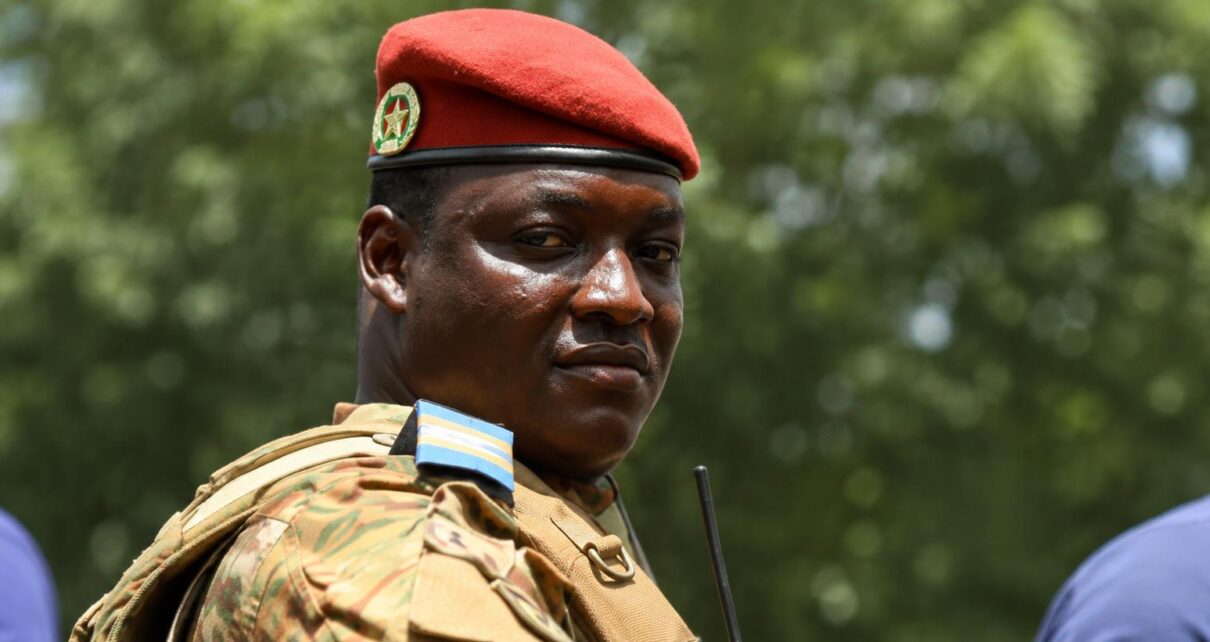
Under the guise of asserting audiovisual sovereignty and safeguarding consumer rights, Burkina Faso’s government has escalated its efforts to dominate the public information sphere. The unprecedented 200 million FCFA penalty levied against Canal+ International by the Superior Council of Communication (CSC) should not be misconstrued as a mere administrative or commercial dispute. Instead, it represents a calculated and comprehensive strategy designed to stifle all dissenting voices and tightly control the flow of information within the nation.
Political motives behind regulatory actions
The official justification provided by the CSC, citing subscribers’ unconditional access to Radiodiffusion Télévision du Burkina (RTB) channels, now appears to be a smokescreen. Beneath these technical complaints and legal directives lies a far more troubling truth: the current regime’s determination to wield absolute authority over all content broadcast across the country. By targeting a major international distributor like Canal+, the ruling power is not merely enforcing a convention. It is sending an unmistakable message to the entire media landscape: no platform, not even satellite broadcasters, will evade governmental scrutiny.
The fear of open debate and contentious content
This recent tightening of restrictions against Canal+ is far from coincidental. It emerges amid heightened tensions surrounding the content distributed by the group, particularly certain news and political debate programs featured on its various packages. The moment a television panel critically examines the security situation, offers a platform to opposition figures, or challenges the official narrative, the regulatory mechanism swiftly activates. The current administration no longer tolerates dissenting analysis. A single displeasing broadcast, an investigation deemed too intrusive, or an unaligned guest is now enough to provoke severe repercussions from institutions ostensibly tasked with upholding press freedom. The objective is starkly clear: to compel broadcasters into preemptive self-censorship, thereby averting crippling financial penalties or outright license revocation.
Shaping a singular narrative and controlled information
This latest decision represents just one more link in an ongoing chain of repressive actions targeting independent journalism within Burkina Faso:
- Repeated suspensions: Numerous international and local media outlets have already faced temporary or permanent shutdowns for simply reporting facts not endorsed by the General Staff or the presidency.
- Intimidation of local press: Independent journalists and analysts now operate under constant pressure, risking forced requisitions in the field or prosecution for «demoralizing troops».
- Creation of an information vacuum: By limiting access to major international news platforms and bringing national media under firm control, the regime is effectively confining citizens to a single, government-sanctioned narrative.
The peril of detrimental isolation for the populace
By transforming the communication regulator into an enforcement arm of political power, Burkina Faso’s authorities risk denying citizens their fundamental right to diverse and verified information. Far from demonstrating patriotic resolve, the escalating sanctions against media outlets reveal an increasing unease with factual reporting. In its attempt to dismantle all checks and balances and silence dissenting voices, the government does not bolster its legitimacy; instead, it further isolates the country from the global community and paves the way for unchecked propaganda. This trend is a concerning development for West Africa insider news and Sahel politics, hindering open Sahel analysis English.