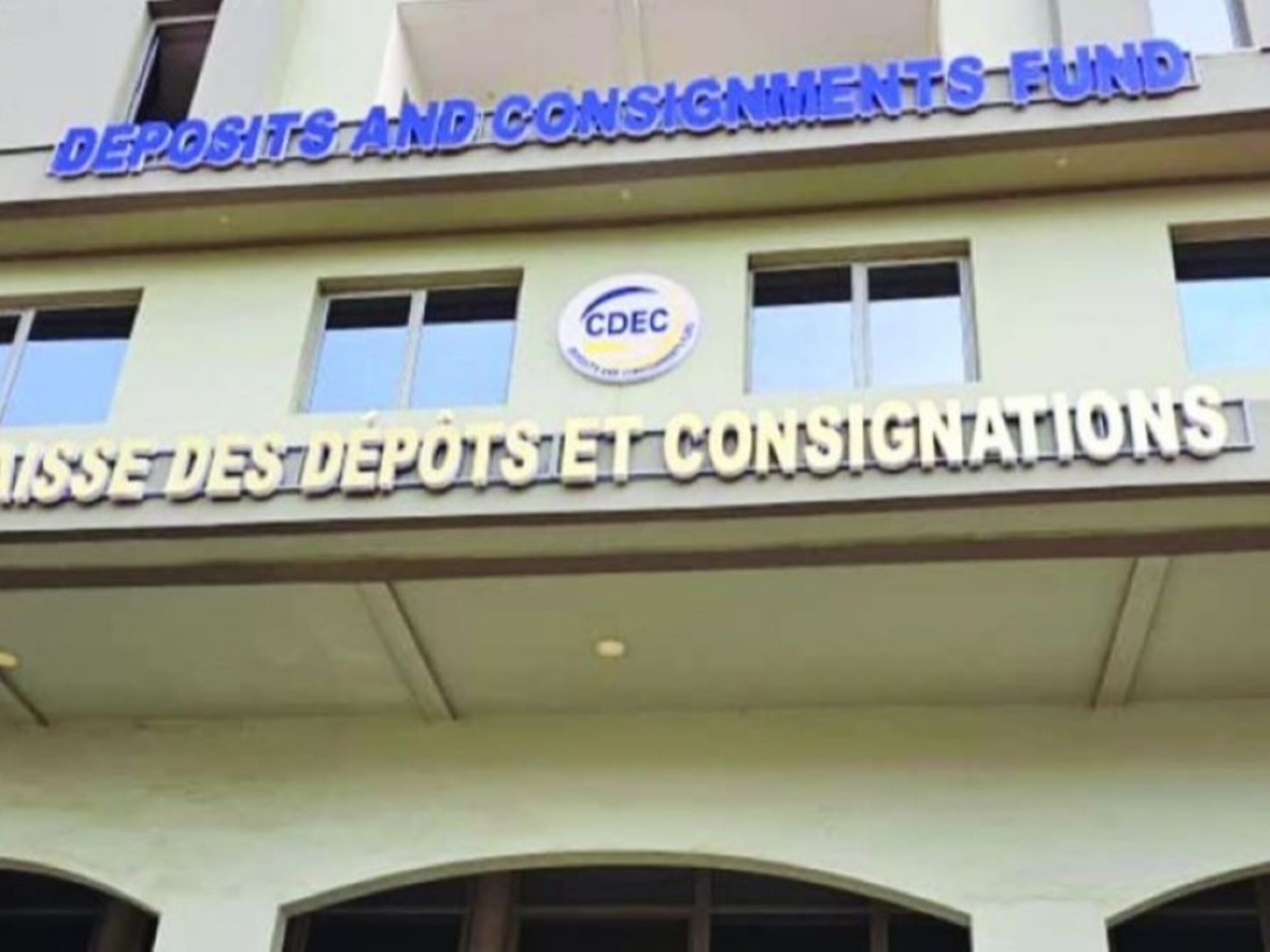
Cameroon’s Caisse des Dépôts et Consignations: a strategic driver for infrastructure funding
Cameroon, like many African economies, has for years grappled with diminishing access to traditional external financing, including concessional multilateral loans, official development assistance, and increasingly expensive international bond markets. Within this challenging economic landscape, the strategic imperative to mobilize domestic savings, both public and private, has become paramount. This is precisely the critical function intended for the Caisse des Dépôts et Consignations (CDEC), which became operational on January 20, 2023, following a presidential decree, fifteen years after its initial legal establishment by a 2008 law.
Cameroon’s Caisse des Dépôts et Consignations (CDEC) offers a vital solution to the nation’s infrastructure funding needs by harnessing untapped domestic savings. The institution, operationalized in January 2023, is designed to transform dormant capital into a powerful engine for national development.
A proven blueprint: lessons from the French Caisse des Dépôts
France’s experience with its Caisse des Dépôts provides a compelling example of how a national deposit fund can convert idle savings into a robust instrument for structural development. This is achieved through three core mechanisms:
- The centralized collection of regulated resources, such as Livret A savings accounts, notarial funds, and dormant accounts, within a secure public institution.
- The strategic conversion of these short-term deposits into long-term loans, underpinned by a state guarantee.
- A significant leverage effect, where each euro of centralized savings is channeled into financing crucial infrastructure projects like social housing, urban renewal, fiber optic networks, and transport systems.
The Cameroonian CDEC is designed to mirror this successful framework. Its primary mission is to gather, safeguard, and ensure the long-term profitability of resources that typically lie dormant, directing them strategically to support public policy objectives across Cameroon.
CDEC’s measurable progress and operational growth
Available data confirms that CDEC is already demonstrating significant momentum:
Cadre juridique and resource categories
The legal foundation, established by the 2008 law and its 2011 implementing decree, delineates four main categories of resources for CDEC: various deposits (including notary funds and inactive bank accounts), administrative consignments (such as public contract guarantees), judicial consignments (like bail bonds and court settlements), and a fourth assimilated category.
Mandatory collection mechanism
A Prime Minister’s decree, issued on December 1, 2023, introduced a stringent framework. It imposed a strict deadline on banks, insurance companies, notaries, and court registries for the transfer of their consigned funds. Non-compliance with this directive carries severe penalties, including external audits and late payment interest calculated at the BEAC’s marginal lending facility rate plus two percentage points. This robust legal mechanism is crucial for ensuring the rapid accumulation of resources.
Three-year results
Director General Richard Evina Obam recently announced that CDEC has centralized over 151 billion FCFA (approximately 260 million USD) within three years of its operational launch. While a substantial sum, this amount still falls considerably short of the identified potential, with earlier estimates suggesting more than 1,000 billion FCFA remains dormant within the banking system.
The banking subsidiary: a catalyst for infrastructure investment
The most pivotal development for CDEC’s ambitious infrastructure agenda is the planned creation of a dedicated banking subsidiary, for which a feasibility study commenced in February 2025. This subsidiary is explicitly designed to:
- Assist the State, decentralized territorial communities (CTD), and enterprises in securing funds for infrastructure development.
- Provide crucial support to Small and Medium-sized Enterprises (SMEs) aiming to participate in public procurement processes.
- Streamline initial public offerings (IPOs) and facilitate the evaluation of new business opportunities.
- Offer long-term financial products, including loans, guarantees, and leasing solutions, specifically tailored for Cameroonian stakeholders.
This strategic function aligns CDEC closely with the