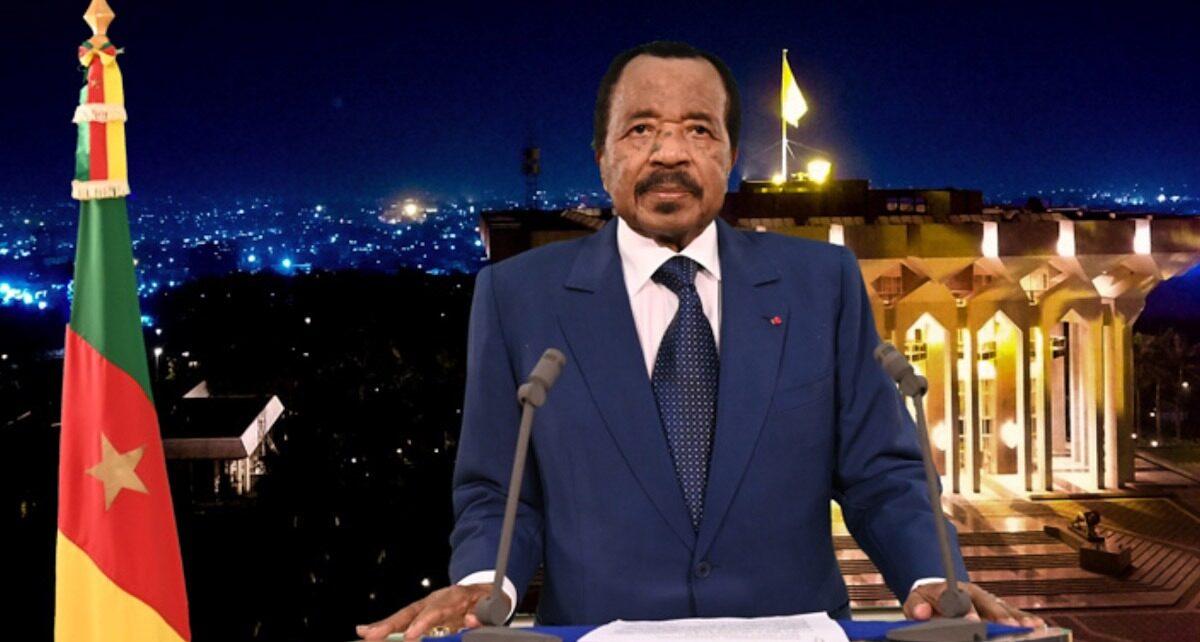
Is Cameroon operating at a standstill? Since June 7, 2026, when President Paul Biya departed Yaoundé for what was described as a “short private stay in Europe,” the nation has been gripped by an unprecedented period of presidential invisibility. Over two months have passed without a public appearance or an official return date, transforming this silence at the highest echelons of government into more than just a political talking point. In a highly centralized system where the president’s endorsement is crucial for public affairs, this leadership void is now demonstrably impacting the country’s economy and social fabric, creating tangible and measurable consequences.
1. Economic ramifications: sluggish markets and governance paralysis amid president biya’s absence
Cameroon’s economic framework is heavily reliant on the Head of State, who serves as its linchpin. The President’s extended absence is consequently generating a series of institutional and financial gridlocks:
- Financial market apprehension: Current financial assessments indicate that Cameroonian dollar bonds are among the poorest performers across the African continent. Leading rating agencies, including Moody’s, Fitch, and S&P, have cited a lack of clarity regarding presidential succession and the perceived political instability as key concerns for international investors.
- Stalled investment initiatives: Major infrastructure developments and public-private partnerships require high-level executive decisions. Without presidential arbitration, critical files languish on ministerial desks, impeding disbursements and the timely execution of the state budget.
- Institutional ambiguity: Despite a constitutional amendment in April 2026 establishing the Vice-President role to mitigate leadership voids, this crucial position remains unfilled. The anticipated cabinet reshuffle also remains in limbo, perpetuating a state of administrative inertia.
2. Social impact: rising living costs and public frustration
For everyday citizens, the repercussions of this institutional slowdown are acutely felt:
- Escalating inflation and cost of living: Local markets are grappling with persistent inflationary pressures on essential goods and fuel. Without proactive fiscal adjustments or conservative measures, the purchasing power of Cameroonian households continues its decline.
- A climate of distrust and apprehension: The absence of official communication has fueled rampant speculation and wild rumors across social media platforms. This deliberate withholding of information fosters a sense of disregard among the populace, particularly the youth, leading to a tense social atmosphere.
- Neglect of pressing national crises: Critical issues such as the ongoing crisis in the Nord-Ouest and Sud-Ouest (NOSO) regions, pervasive youth unemployment, and the deteriorating state of electricity and road networks are deprived of the necessary political drive to implement lasting solutions.
President biya’s prolonged absence: exposing structural vulnerabilities
The extended absence of Paul Biya, Cameroon’s Head of State, serves as a magnified reflection of the inherent weaknesses within the nation’s institutional framework. It starkly illustrates how the excessive concentration of power in a single individual can profoundly destabilize the entire socio-economic apparatus when that leader is not present.
To maintain the confidence of its international partners and ensure social stability, Cameroon urgently needs to clarify its governance structure and reactivate the normal functioning of state affairs. This has become an absolute imperative.