Cameroon’s political climate amid Paul Biya’s extended absence
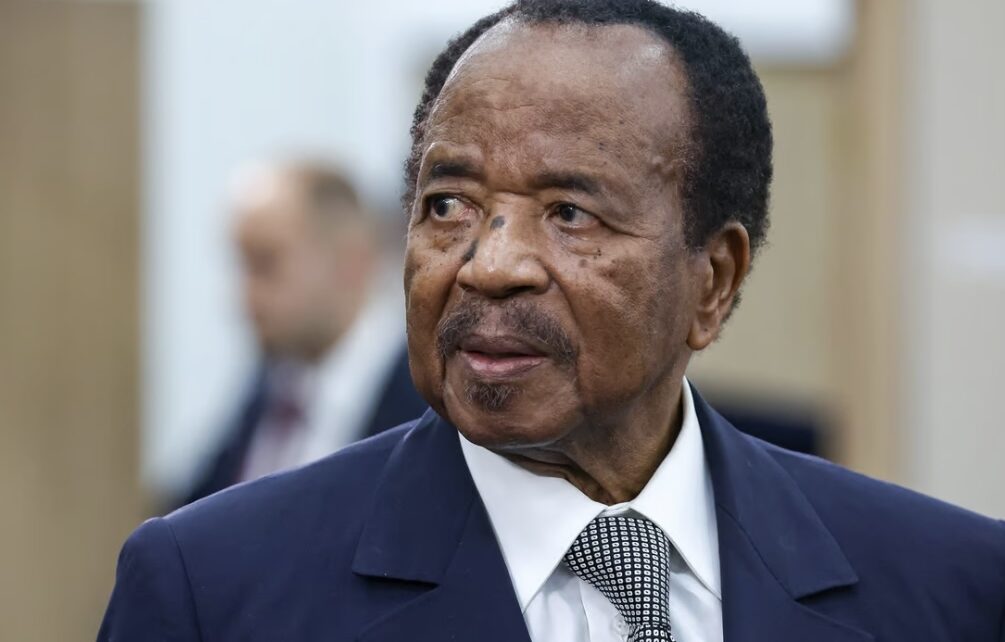
Forty-five days after President Paul Biya left Cameroon for a private visit to Europe, no official announcement has confirmed his return. The Rassemblement démocratique du peuple camerounais (RDPC) called an urgent meeting of senior party officials, yet details about the agenda or purpose remain undisclosed. While the ruling party insists institutions are functioning normally, opposition leaders are demanding transparency about power dynamics and the legal framework for prolonged presidential absences.
- Politics

Jean Nkuete, Secretary-General of the RDPC’s central committee, convened a high-level meeting on Wednesday, as confirmed by a brief statement. The communiqué omitted key details such as discussion topics or the rationale behind the gathering. President Biya, aged 93, departed on June 7, with the civil cabinet citing only a private European trip. Since then, no official statement has clarified his anticipated return date.
The prolonged absence has fueled speculation and criticism. In response, the RDPC’s propaganda chief, Christophe Mien Zok, penned an editorial in the party newspaper on July 15, asserting that the government is fully operational and dismissing claims of a ‘pilot auto’ presidency. Official presidential channels have continued releasing greetings addressed to foreign leaders, including French President Emmanuel Macron and the President of Montenegro—though no public engagements or appearances by Biya himself have been reported since his departure.
Opposition voices demand accountability
Opposition figures are intensifying calls for clarity. Deputy Jean-Michel Nintcheu has urged the Constitutional Council to declare a presidential vacancy. Meanwhile, the Union démocratique du Cameroun (UDC) takes a measured stance, avoiding assumptions about Biya’s health but questioning the sustainability of governance through silence and speculation. In an official statement released on July 18, the UDC argued that prolonged foreign travel alone does not constitute a vacancy but stressed the need to examine how presidential duties are exercised during extended absences and to strengthen institutional safeguards.
Constitutional gaps spark debate
Cameroon’s legal framework provides no clear timeline for presidential absences abroad. Analysts highlight the absence of statutory limits, raising concerns about the threshold at which the Constitutional Council should intervene. The UDC also pointed to another unresolved issue: the vice-presidency, reinstated during April’s constitutional reforms, remains unfilled. The party advocates for legal amendments to define procedures for extended presidential leaves, emphasizing the need for transparent governance during leadership transitions. At 93, Biya has made frequent trips to Europe, but his current absence—now the longest since assuming office in 1982—lacks any official explanation regarding his return.