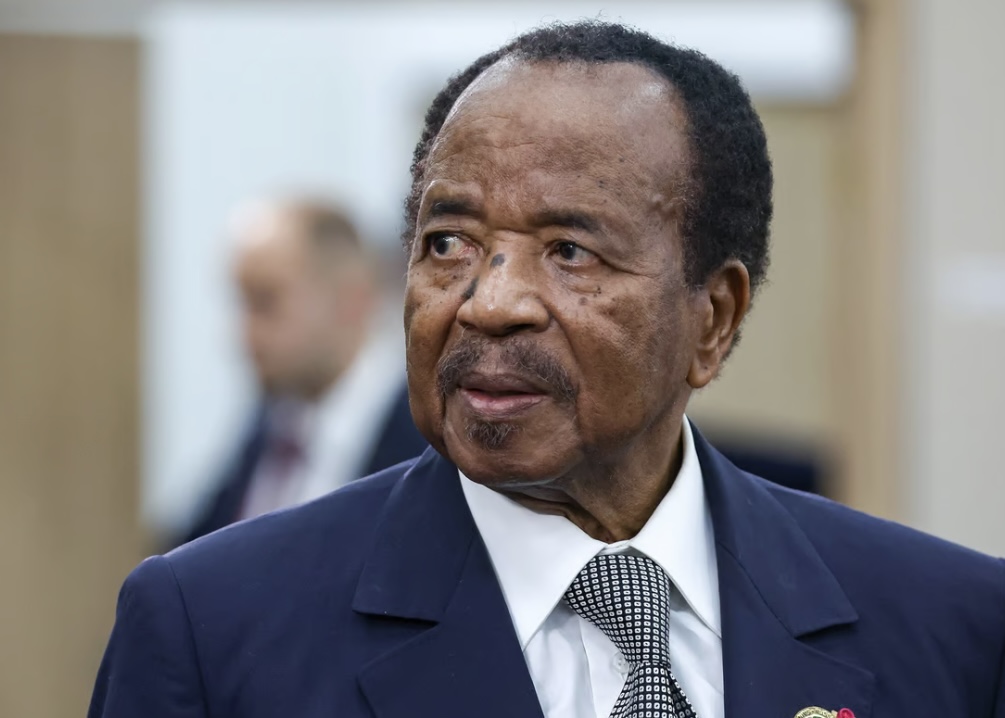
The Rassemblement démocratique du peuple camerounais (RDPC) convened an emergency meeting of its top officials this week, more than six weeks after President Paul Biya left Cameroon for what was described as a private trip to Europe. No official statement has confirmed a return date, fueling speculation and demands for transparency.
While the ruling party insists that state institutions continue to function normally, opposition figures are calling for urgent clarifications on how power is being exercised in the president’s absence. The situation has exposed gaps in Cameroon’s legal framework governing prolonged presidential absences, leaving room for interpretation and debate.

RDPC defends institutional stability amid silence
The RDPC’s Jean Nkuete, Secretary-General of the Central Committee, summoned the meeting without disclosing its agenda or objectives. The party’s leadership has sought to downplay concerns, with Christophe Mien Zok, Director of Propaganda, publishing an editorial in L’Action to reaffirm that “power is not vacant” and that the government is not operating on autopilot. Official channels have continued to release messages attributed to Biya, including greetings to foreign leaders, though no public appearances or official engagements have been reported since his departure on June 7.
At 93 years old, Biya’s prolonged absence—his longest since taking office in 1982—has raised questions about the practicalities of presidential succession and the preparedness of Cameroon’s institutions to handle an extended leadership gap. The RDPC has framed the situation as routine, but critics argue the lack of clarity risks undermining public confidence in governance.
Opposition pushes for constitutional review
The absence of a vice-president—reintroduced in the 2024 constitutional revision but never appointed—has further complicated the debate. Opposition lawmaker Jean-Michel Nintcheu has urged the Constitutional Council to declare a vacancy in the presidency, while the Union démocratique du Cameroun (UDC) has called for a legal framework to address temporary absences. The party stressed the need for clear procedures, noting that prolonged foreign trips do not automatically constitute a power vacuum but still warrant institutional oversight.
Legal experts point out that Cameroon’s constitution lacks provisions specifying how long a president may remain abroad before triggering a constitutional review. The ambiguity has intensified calls for reform, with analysts warning that prolonged uncertainty could erode democratic norms and public trust in state institutions.
Uncertainty fuels political tensions
The silence surrounding Biya’s whereabouts and activities has become a focal point for both domestic and international observers. Opposition parties accuse the government of opacity, while the RDPC insists that the administration remains fully operational. With no official updates on the president’s health or return timeline, the standoff highlights the fragility of Cameroon’s governance structures and the risks of prolonged leadership uncertainty in a country where stability has long depended on a single figurehead.