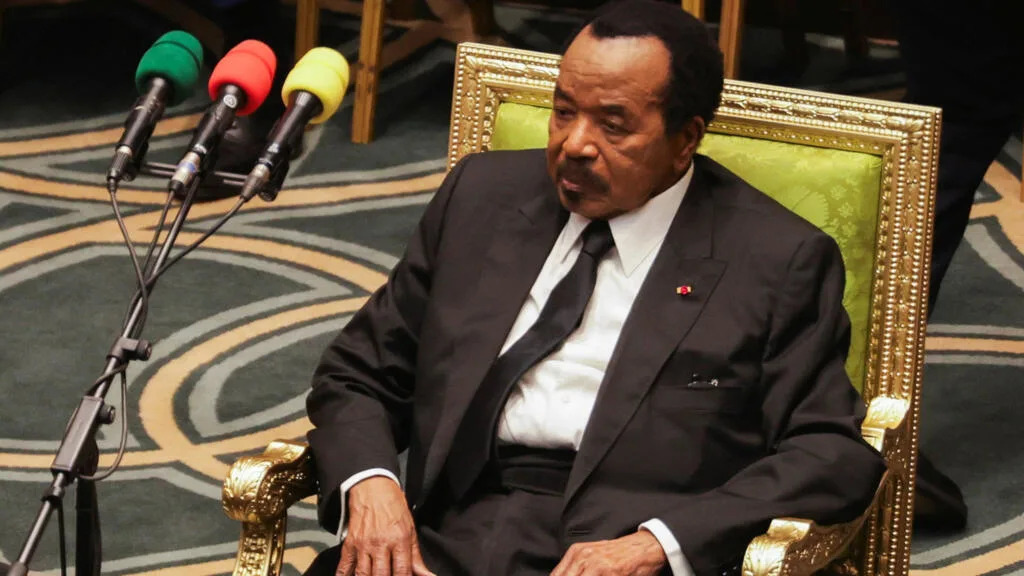
Cameroun’s ruling party addresses 40-day absence controversy
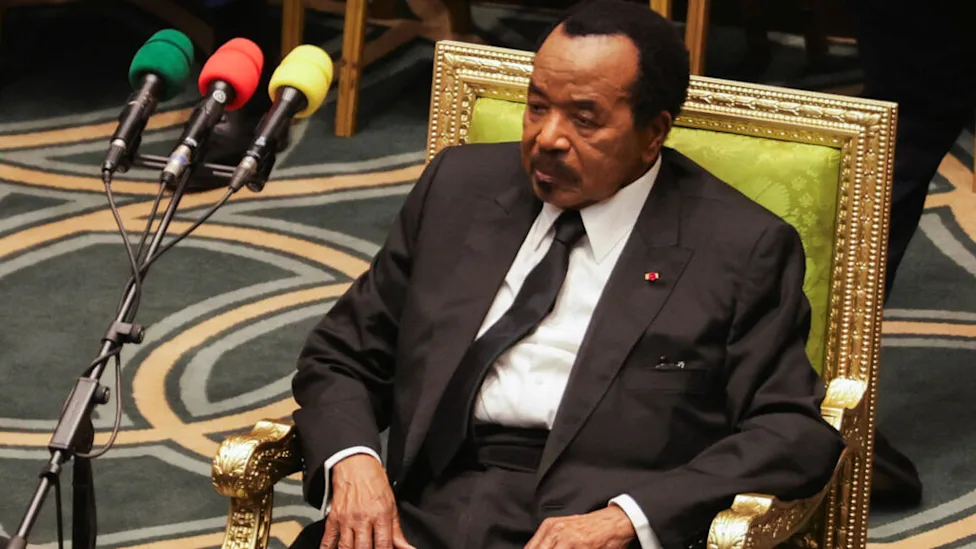
Addressing the controversy surrounding the President’s prolonged absence, Jacques Fame Ndongo, Minister of State, dismissed claims of a power vacuum as legal, political, and logical absurdity. He emphasized that Cameroon’s legal framework does not specify a maximum duration for a Head of State’s absence from national territory.
According to Ndongo, any attempt to apply a non-existent constitutional provision to President Paul Biya would be nothing short of creative misinterpretation—a tactic he likened to the fanciful reasoning of those lost in legal quicksand.
He further clarified that the President, who has led the country since 1982, remains actively engaged in governance. Whether through in-person consultations or digital means, Paul Biya continues to oversee national affairs meticulously.
“This is not a stay—it’s a de facto exile”
The opposition swiftly responded. Mamadou Mota, Vice-President of the Cameroon Renaissance Movement (MRC), challenged Ndongo’s remarks, questioning at what point prolonged absence from national soil renders the exercise of presidential duties purely symbolic. Forty-five days abroad isn’t just a trip—it’s a de facto exile, he asserted.
The MRC also mocked the suggestion that Cameroon could be the world’s first nation governed through clandestine remote work, implying that the President was merely following files electronically.