Why Benin’s export surge to the UK could redefine trade relations
With a remarkable 62.5 % jump in exports to the United Kingdom over the past year, Benin has sent a clear signal: its agricultural products are gaining ground in international markets. But will this momentum be enough to reshape a trade imbalance that still heavily favors the UK?
The latest trade data from the UK’s Department for Business and Trade reveals that Beninese goods—particularly fresh produce—are making waves in British retail and wholesale channels. As the West African nation strengthens its position, the question arises: can Benin turn this short-term surge into long-term commercial success?
Fresh produce drives the export boom
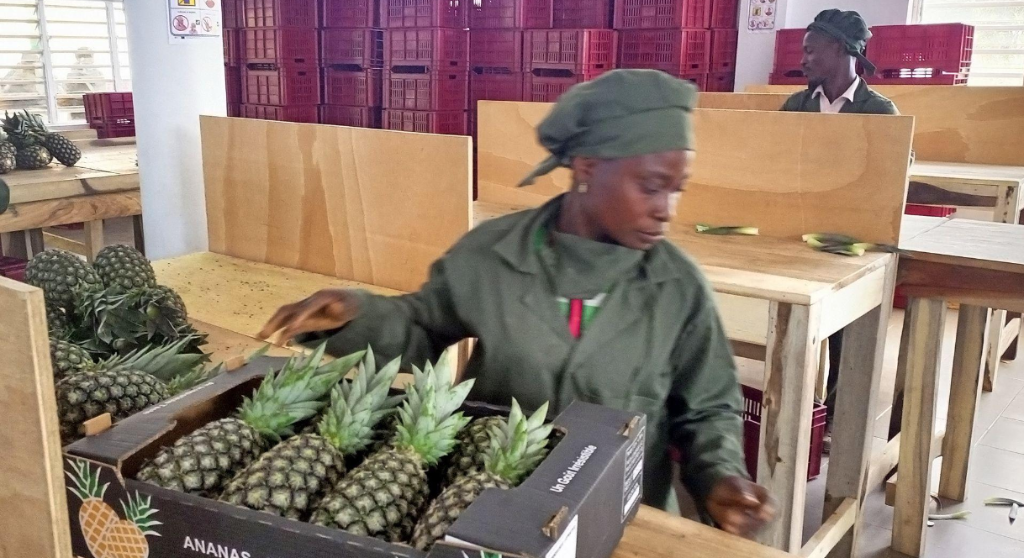
The surge in Benin’s exports to the UK is largely driven by fruit and vegetable sales, which have quadrupled in value to reach £5 million. This category alone now accounts for nearly half of all Beninese goods exported to Britain, totaling £5.2 million in purchases by British importers.
This growth reflects more than just higher shipment volumes—it signals a growing appetite in the UK market for tropical and seasonal produce sourced from Benin. From pineapples to chili peppers, these products are increasingly featured in British supermarkets and specialty food stores, helping Benin diversify its export portfolio beyond traditional markets.
For Benin’s agricultural sector, this uptick is more than a statistical highlight. It represents a validation of years of investment in quality control, supply chain efficiency, and market access strategies. Yet, experts warn that sustaining this growth will require overcoming persistent industry challenges.
Meeting UK market standards: a make-or-break challenge
To maintain and expand its foothold in the UK, Benin must navigate strict sanitary and phytosanitary regulations. British import authorities enforce rigorous controls on food safety, pesticide residues, and packaging standards. Failure to comply can result in shipment rejections—costly setbacks for producers and exporters.
The ability to trace products back to their origin is equally critical. UK retailers demand full transparency in sourcing, pushing Beninese exporters to invest in digital tracking systems and certification processes. Maintaining consistent product quality, especially for fresh produce with short shelf lives, remains another hurdle—one that requires modern cold-chain logistics and rapid transit.
The logistical bottleneck: transport and costs
Even with strong demand, high shipping costs and transit times can erode profit margins. Air freight is expensive and carbon-intensive; sea freight, while cheaper, takes weeks—risking spoilage for perishable goods. Without reliable cold storage and faster customs clearance, Benin’s agricultural exporters risk losing their competitive edge.
Addressing these bottlenecks will require infrastructure upgrades and closer collaboration between government agencies and private sector players. Public-private partnerships could fund the construction of refrigerated warehouses and streamlined export corridors from Benin’s farms to UK ports.
UK’s exports to Benin decline, but dominance remains
While Benin celebrates its export growth, the reverse trend tells a different story. British exports to Benin fell by 6.9 % over the same period, totaling £54 million—still more than four times the value of Benin’s sales to the UK. This imbalance leaves the overall trade balance firmly in Britain’s favor, with a £41 million surplus.
Despite the decline, British goods—ranging from machinery to processed foods—remain central to Benin’s import needs. Vehicles, pharmaceuticals, and industrial equipment continue to dominate the trade flow into West Africa’s fourth-largest economy.
This asymmetry highlights an opportunity: as Benin increases its exports, it could negotiate better access for its goods in return—perhaps through tariff reductions or expanded quotas in sensitive sectors like agriculture.
Beyond the numbers: unlocking long-term potential
Despite accounting for just 1.3 % of Benin’s total imports, the UK market holds untapped potential. Benin ranks 169th among the UK’s trading partners—a low standing that belies the growing quality and competitiveness of its products. The real challenge now is scale.
Diversification is key. Expanding beyond traditional staples like cashews and cotton, Benin could target niche markets such as organic produce, specialty spices, and processed food products. Local value addition—through small-scale food processing or packaging—could significantly boost export revenues without increasing volume.
Investing in branding and marketing is another strategic move. By positioning Beninese fruits and vegetables as premium, sustainably sourced products, exporters can command higher prices and build consumer loyalty in the UK.
Can Benin close the trade gap?
The recent export surge is a promising sign, but it’s only the beginning. To turn temporary gains into lasting success, Benin must address structural issues: improve logistics, enhance product quality, and negotiate more balanced trade terms. These steps could help level the playing field and foster a more equitable economic partnership with the UK.
The next 12 months will be critical. If Benin can consolidate its gains, it may finally be on track to reduce its trade deficit with Britain—and prove that its agricultural revolution isn’t just a fleeting moment, but the start of a new chapter in international trade.