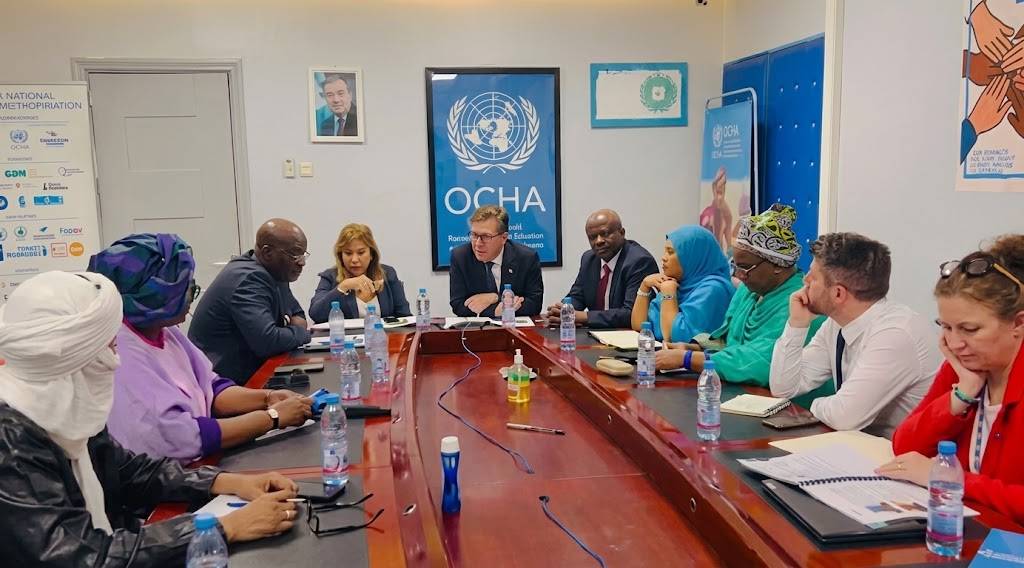
As Mali grapples with evolving diplomatic dynamics, Bamako welcomed a high-level United Nations delegation led by Tom Fletcher this week—a move that spotlights a critical dilemma: how can the country meet the humanitarian needs of 5.1 million people in 2026 amid changing ties with international partners?
Why the UN’s return to Bamako matters now
Under the leadership of Tom Fletcher, United Nations Assistant Secretary-General for Humanitarian Affairs and Emergency Relief Coordinator, the mission arrives at a pivotal moment. Recent policy shifts by Malian authorities have led to the departure of several international and humanitarian organizations, leaving gaps in support for vulnerable populations. The UN’s visit signals a possible recalibration of engagement, raising questions about the future of aid delivery in the country.
Humanitarian needs reaching crisis levels
The United Nations’ 2026 humanitarian response plan estimates that 5.1 million Malians will require urgent assistance next year—a figure that underscores the depth of the crisis. Of these, 3.8 million are slated to receive targeted interventions, highlighting both the scale of need and the limits of current response capacities.
The scale of vulnerability is stark:
- Families struggling to access basic services in conflict-affected regions
- Displaced communities facing food insecurity and inadequate healthcare
- Shortages of clean water and sanitation exacerbating health risks
While the UN’s plan outlines critical interventions, the gap between total needs and beneficiaries reflects a widening disparity that demands immediate action.
Balancing sovereignty with life-saving aid
The Malian government’s recent decisions to restrict certain international organizations have been framed as efforts to assert national sovereignty. However, this shift has left humanitarian gaps that threaten to deepen the crisis. The UN’s mission to Bamako introduces a delicate balancing act: how can Mali reconcile its priorities with the urgent need for solidarity?
Key challenges include:
- Ensuring uninterrupted access to remote and conflict-hit areas
- Maintaining coordination between national authorities and humanitarian actors
- Securing sustained funding and logistical support
A call for unified humanitarian action
With 2026 set to bring even greater strain, the stakes could not be higher. For millions of Malians, the consequences of inaction are immediate: hunger, disease, and displacement loom as persistent threats. The UN’s engagement in Bamako is more than a diplomatic gesture—it is a reminder that, regardless of geopolitical shifts, human suffering demands urgent solutions.
For authorities, the message is clear: solidarity and sovereignty can coexist when lives are at risk.