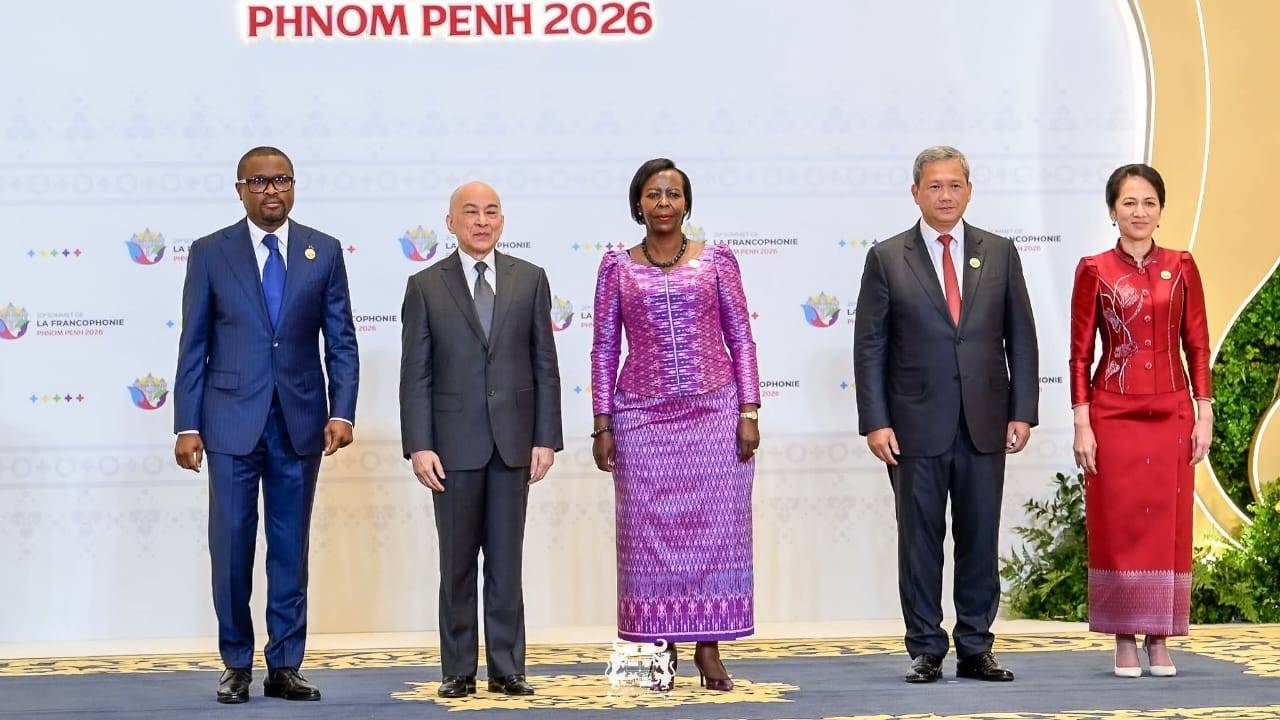
Diplomatic breakthrough for Benin at Phnom Penh’s francophonie gathering
In a significant diplomatic coup, Benin has been elected vice-president of the Francophonie’s Ministerial Conference (CMF), a pivotal moment that underscores the country’s growing influence in international francophone governance. The announcement came during the 48th CMF session held in Phnom Penh, Cambodia, on November 14, 2026, ahead of the 20th Francophonie Summit. This new role, which extends until the next ordinary session in 2027, positions Benin more prominently in the decision-making and coordination mechanisms of the Organisation internationale de la Francophonie (OIF).
The elevation to vice-presidency is more than symbolic—it grants Benin a direct voice in shaping the strategic priorities of one of the world’s largest multilingual alliances. With global geopolitical tensions and security crises testing the resilience of international cooperation, Benin’s participation could prove critical in steering the OIF’s response to these challenges.
The conference’s agenda was packed: from political and financial orientations to institutional reforms and crisis management. But none of these discussions will now unfold without Benin’s active input.
Corinne Amoribruset leads Benin’s delegation in Cambodia
Representing Benin with authority at the ministerial talks was Foreign Affairs Minister Corinne Amoribruset. Her presence in Phnom Penh signals the government’s commitment to strengthening ties within the Francophonie and aligning Benin’s diplomatic strategy with broader francophone objectives. Under her leadership, the delegation engaged in high-level negotiations, contributing Benin’s perspective on solidarity, security, and sustainable development across the francophone world.
The stakes are high. As debates centered on peacebuilding, conflict prevention, and cultural preservation, Minister Amoribruset played a key role in finalizing key documents destined for adoption at the upcoming Francophonie Summit:
- Phnom Penh Declaration – outlining shared priorities for peace and shared prosperity;
- Resolution on crisis response – providing a framework for post-conflict reconstruction and stabilization;
- Phnom Penh Appeal – advocating for the protection of cultural heritage and linguistic diversity.
These texts aren’t just diplomatic formalities—they lay the foundation for how the OIF responds to global instability in the years ahead.
Can Benin turn its new role into lasting influence?
Benin’s vice-presidency comes with real responsibilities. As the organization prepares to select new leadership for the 2027–2030 term, Benin is well-placed to advocate for reforms and initiatives aligned with its national interests—particularly in areas like education, economic cooperation, and democratic governance. The timing is strategic: by 2027, Benin will not only be a vice-president but could also be the host of the next CMF session—a responsibility currently under consideration by member states.
If confirmed, hosting the 2027 conference would offer Benin a rare platform to showcase its diplomatic maturity and consolidate its leadership within the Francophonie. It would also allow the country to position itself as a bridge between Africa, Europe, and Southeast Asia—regions increasingly connected through shared linguistic and cultural ties.
Beyond symbolism: Benin’s multilateral momentum
The gains made in Phnom Penh reflect a broader trend: Benin is stepping onto the global stage with confidence. Over the past decade, the country has steadily increased its participation in multilateral forums, from the African Union to the United Nations. Its election to the OIF vice-presidency is the latest evidence that Benin is not just a participant—it’s becoming a key player in shaping the agenda of international cooperation.
As the Francophonie adapts to a rapidly changing world—where soft power matters more than ever—Benin’s diplomatic strategy offers a lesson in pragmatism. By investing in institutions like the OIF, the country is building long-term partnerships that go beyond bilateral agreements. It’s playing the long game: using language, culture, and collaboration to secure stability and prosperity for its people.
The next 12 months will be decisive. Whether Benin can translate its newfound institutional role into tangible diplomatic wins depends on how effectively it leverages this opportunity to influence policy, foster partnerships, and reinforce its reputation as a responsible and visionary member of the Francophonie community.
What’s next for Benin in the Francophonie?
With the vice-presidency secured and a strong chance to host the 2027 CMF session, Benin stands at a crossroads. The path forward is clear:
- Consolidate influence by actively shaping the OIF’s strategic priorities, especially in areas like education reform, digital transformation, and climate resilience;
- Strengthen alliances with other African francophone nations to amplify collective bargaining power within the organization;
- Prepare to host the next CMF session, using it as a platform to highlight Benin’s economic and cultural strengths;
- Monitor the leadership transition—Benin’s performance as vice-president could influence its chances of securing higher roles in the OIF’s future.
One thing is certain: in the corridors of the Francophonie, Benin is no longer just a participant. It’s now a decision-maker—and that changes everything.