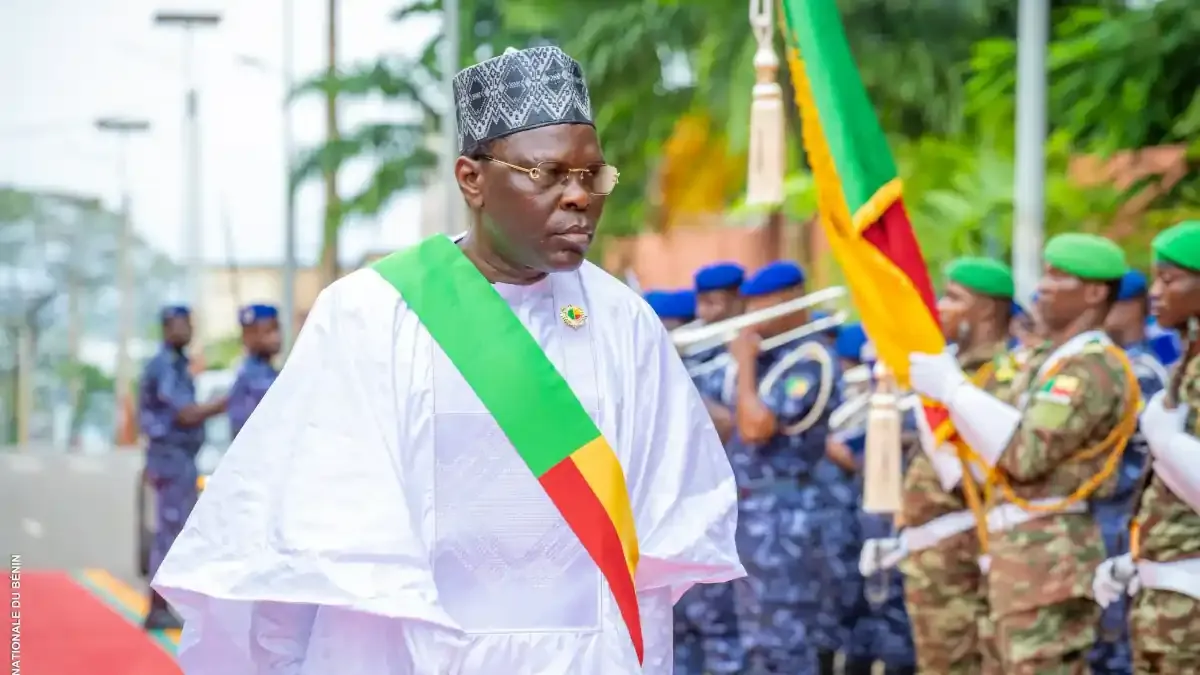
During a high-level parliamentary summit in Lomé, Togo, Joseph Fifamè Djogbénou, Speaker of Benin’s National Assembly, urged African leaders to prioritize reconciliation with Niger and Burkina Faso. His impassioned address framed dialogue not as a gesture of goodwill, but as an urgent necessity to restore stability across the region: “No matter how deep the shadows of discord, the light of lasting peace will always rise.”
The power of dialogue in the Sahel’s fragile trust landscape
In a region where diplomatic tensions run high, Benin’s persistent call for open communication stands out. The country’s border with Niger has remained closed since 2023, yet Djogbénou continues to champion dialogue as the path to renewal. His message, delivered after Burkina Faso assumed leadership of the African Parliamentary Union, was clear: “I do not speak of reconciliation—I commit to walking the path myself.”
The approach is not mere symbolism; it reflects a deep-rooted national strategy. From government offices to legislative chambers, Benin’s foreign policy remains steadfast in its pursuit of three pillars: collective security, regional cooperation, and enduring peace.
Why isolation fails—strength lies in unity
Djogbénou cautioned against the illusion of self-reliance, warning that the Sahel’s interconnected crises—ranging from terrorism to economic instability—cannot be contained within national borders. Highlighting Europe’s restrictive migration policies, he noted a harsh truth: “When European authorities reject African migrants at their gates, no passport is spared—Nigerien, Burkinabé, Beninese or Malian, the rejection is universal.” This reality underscores a simple fact: the region’s challenges demand unified solutions, not fragmented responses.
Legislators as bridges between nations
To break the cycle of mistrust, Djogbénou is rallying legislative leaders from Benin, Niger, and Burkina Faso to align their efforts with government initiatives. The goal? To synchronize national policies, leverage regional assets, and reinforce solidarity as the strongest defense against Sahelian uncertainties.
Rejecting division—choosing a shared future
In a climate where skepticism often trumps cooperation, Benin’s leadership is betting on optimism. By placing parliamentary diplomacy at the core of its strategy, the country is not just advocating for dialogue—it is setting a precedent. History and collective survival, Djogbénou suggests, can still guide the region toward stability, even in its darkest hours.